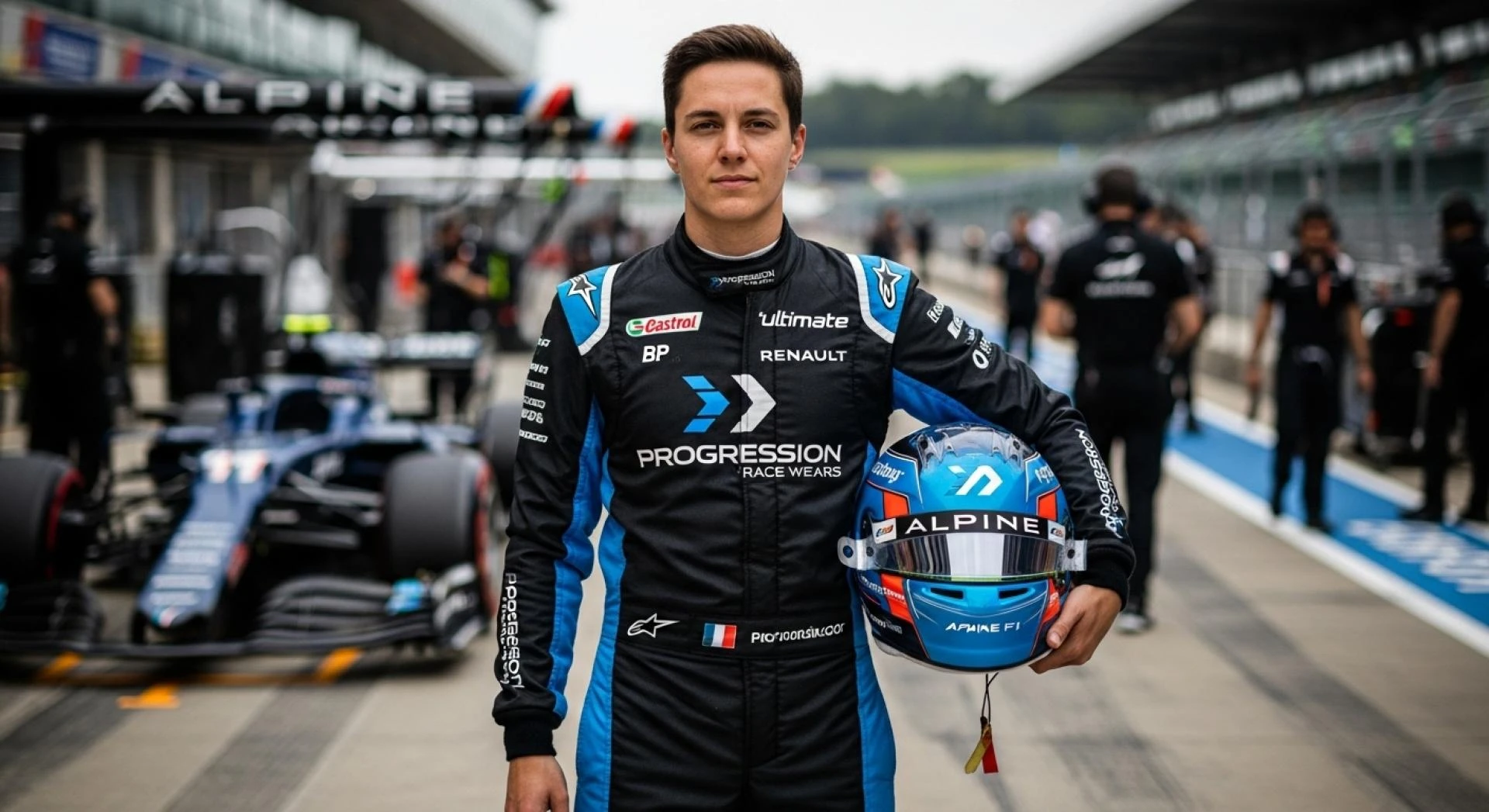

Formula 1 is not just a sport — it’s a symphony of speed, science, and human willpower. Within this world of precision, every element matters. From the aerodynamics of the car to the comfort of the driver, success depends on fine details. One of the most vital yet often overlooked aspects of Formula 1 is the race suit. And when it comes to elegance combined with engineering brilliance, the Alpine F1 Race Suit stands apart.
This article explores the evolution, technology, and craftsmanship behind Alpine’s state-of-the-art racing apparel — and how sports manufacturers have elevated these suits to become the unsung heroes of modern motorsport.
1. The Rise of Alpine F1: A Legacy of Innovation
Alpine F1, a rebranded identity under Renault’s banner, represents both heritage and progress. The team blends decades of racing experience with cutting-edge innovation. Beyond its technical upgrades, Alpine brings a distinctive flair — blue livery, French spirit, and a relentless drive for excellence.
That same spirit is stitched into the Alpine F1 Race Suit. It’s more than a uniform; it’s a wearable emblem of the team’s commitment to performance, safety, and aesthetics.
2. The Purpose Beyond Appearance
A Formula 1 race suit might look like a sleek piece of sportswear, but beneath its bold design lies a complex system of protection and comfort. The Alpine F1 Race Suit is not designed merely for looks — it’s a life-saving layer of innovation.
It has to endure extreme conditions: cockpit temperatures exceeding 50°C, high G-forces, and fire risks. The suit’s engineering focuses on resilience, flexibility, and comfort under stress. Every stitch, seam, and panel serves a purpose — keeping drivers safe while allowing complete mobility.
3. What Makes the Alpine F1 Race Suit Special
The Alpine F1 Race Suit is a marvel of textile science. Crafted primarily from Nomex, a flame-retardant fiber, the suit can withstand direct fire for over 12 seconds — enough time for a driver to escape in case of emergency.
Each suit consists of multiple layers:
- Outer layer: Designed for flame resistance and abrasion protection.
- Middle layer: Acts as insulation to delay heat transfer.
- Inner layer: Keeps the driver’s skin cool and dry through advanced moisture-wicking fabric.
Together, these layers weigh less than 1.5 kilograms — astonishing, considering the level of protection they offer.
4. The Science of Comfort in Extreme Conditions
Racing for nearly two hours in high heat and tension demands a perfect balance between comfort and security. The Alpine F1 Race Suit uses strategically placed stretch zones around the shoulders, arms, and knees, allowing unrestricted movement.
Additionally, micro-ventilation channels help regulate body temperature, while anti-static panels prevent energy buildup during long drives. Every detail — from zippers to cuffs — is ergonomically crafted to ensure that comfort never compromises safety.
5. The Role of Sports Manufacturers in Innovation
Behind every championship-level race suit stands a team of visionary sports manufacturers. These experts blend technology, design, and material science to craft apparel capable of enduring the world’s toughest conditions.
They use digital modeling and driver body scans to ensure a perfect fit, testing fabrics through thousands of simulations. These processes guarantee that when a driver slips into an Alpine F1 Race Suit, it feels more like a second skin than a bulky layer of fabric.
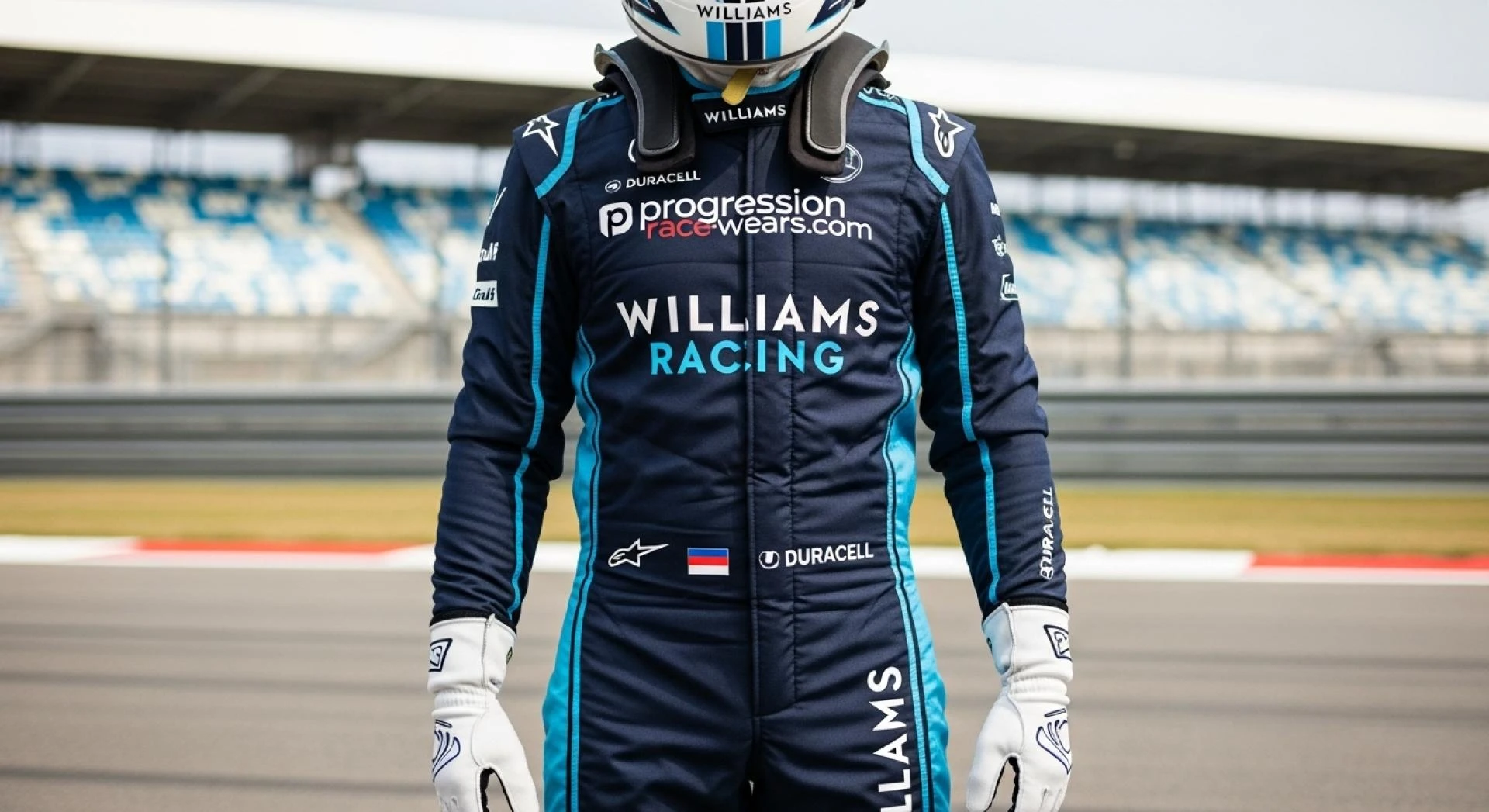
Brands like Progression Race Wears contribute significantly to the industry by manufacturing high-performance racewear that mirrors the excellence seen in Formula 1. Their commitment to detail, quality, and innovation helps define modern motorsport fashion and functionality.
6. Safety Standards That Shape Performance
The FIA (Fédération Internationale de l’Automobile) enforces strict safety standards for Formula 1 gear. Every Alpine F1 Race Suit must pass numerous tests — including fire exposure, heat transmission, and tensile strength.
For instance, the suit must protect the driver from flames for a minimum of 12 seconds, and gloves must resist similar conditions without compromising grip. These benchmarks ensure that no matter how fast or intense the race gets, safety remains the top priority.
The Alpine suit not only meets these standards — it surpasses them through continuous innovation and quality control.
7. From Sketch to Suit: The Art of Creation
Designing the Alpine F1 Race Suit begins with detailed sketches based on aerodynamic and ergonomic studies. Designers consider not just aesthetics but also the way air moves across the fabric during high-speed driving.
Color placement, patch positioning, and logo arrangements are optimized for minimal drag. The stitching itself is heat-sealed in certain areas to reduce friction inside the cockpit. Every suit takes weeks to complete — precision and patience being the guiding principles.
8. Tailored for the Driver’s Personality
While safety and comfort dominate the design, each Alpine F1 Race Suit reflects the driver’s personal touch. Measurements are taken with surgical accuracy to match body posture and muscle distribution.
Some drivers prefer tighter fits for aerodynamic efficiency, while others opt for slightly relaxed tailoring to enhance airflow. This customization process ensures maximum confidence on the track — because a comfortable driver is a focused driver.
9. The Connection Between Car and Clothing
A Formula 1 car is a masterpiece of mechanical engineering — but so is the driver’s gear. The Alpine F1 Race Suit complements the car’s design philosophy. Both prioritize performance through lightweight construction and thermal management.
The fabric’s breathability prevents overheating during long stints, while the design aligns with Alpine’s aerodynamic principles. The harmony between driver and machine is symbolic — both engineered for perfection, working in unison at speeds exceeding 200 mph.
10. Testing, Feedback, and Evolution
Before a new design is approved, Alpine’s drivers and engineers test prototypes extensively. They provide feedback on fit, flexibility, and heat resistance. Adjustments are then made to enhance the overall experience.
This iterative process mirrors how F1 cars evolve through data-driven refinement. Just as engines are tuned for precision, race suits are continuously upgraded to meet the demands of modern racing.
11. The Hidden Role of Quality Control
Each Alpine F1 Race Suit undergoes rigorous inspection before it reaches the driver. Specialists test every batch of fabric for flammability, tear strength, and color durability. Seams are stress-tested to ensure they won’t fail under extreme motion.
Even branding elements — like embroidered logos — are flameproof and strategically positioned. This level of scrutiny ensures not only performance but also the longevity of the suit under grueling race conditions.
12. Sustainability in Motorsport Apparel
Sustainability has entered the high-speed world of motorsport. Many sportswear manufacturers now incorporate eco-friendly fibers and low-impact dyeing processes. Alpine’s approach to racewear is no different — they emphasize recyclable materials and energy-efficient production.
This move towards greener solutions highlights a shift in racing culture: speed and sustainability can coexist. The Alpine F1 Race Suit represents a forward-thinking balance between innovation and environmental responsibility.
13. The Future of Formula 1 Race Suits
Looking ahead, the evolution of F1 apparel will push even greater boundaries. Future race suits may include integrated biometric sensors that monitor heart rate, hydration levels, and oxygen intake in real-time.
These suits could also adapt to temperature changes through smart fabrics that expand or contract based on heat levels. With advancements like these, the Alpine F1 Race Suit may soon become a hybrid of technology and fashion — offering safety, performance, and data all in one sleek package.
14. Beyond the Track: Influence on Motorsport Apparel
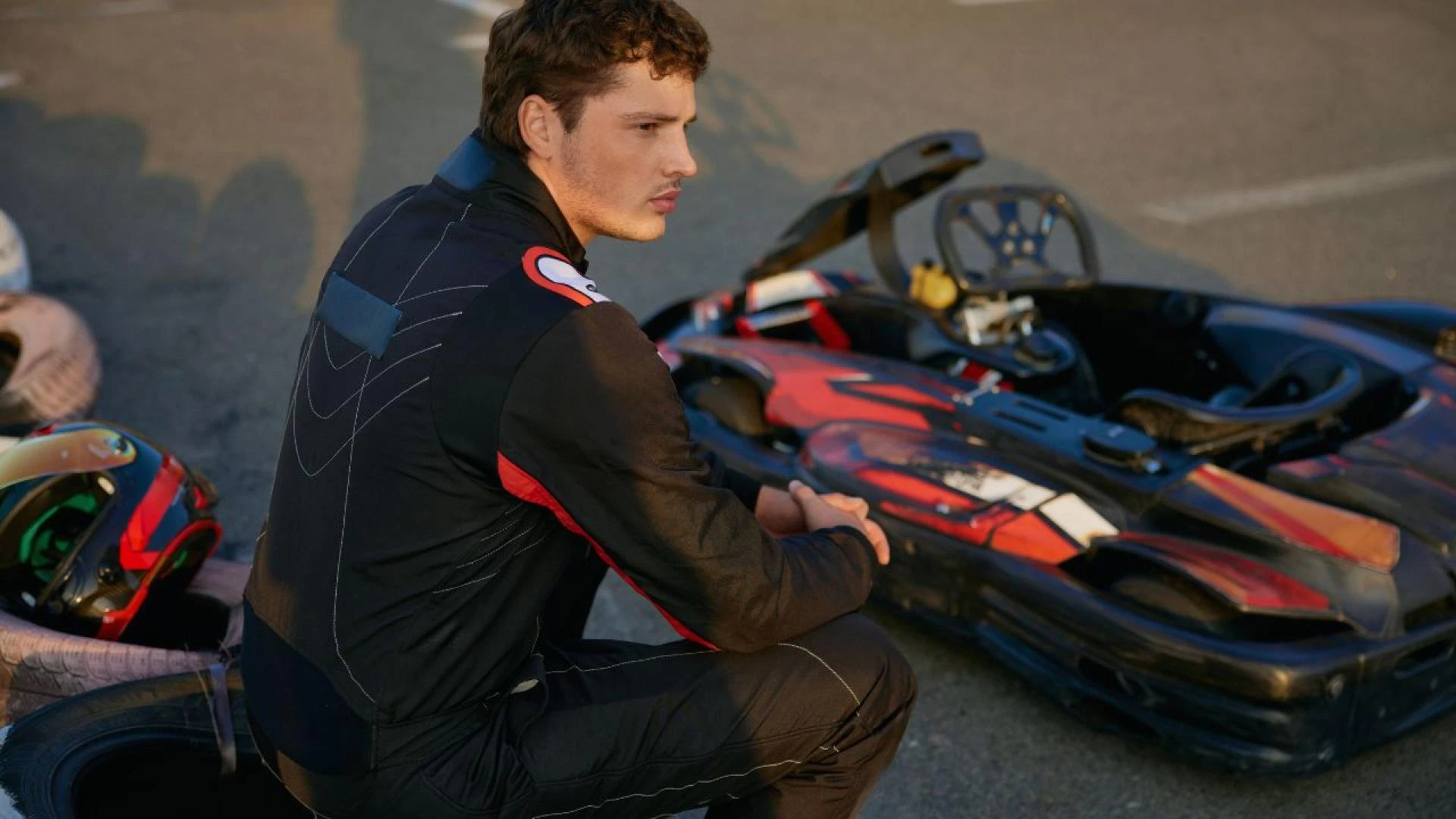
The innovation found in Formula 1 eventually trickles down to other motorsport categories and even consumer-level products. The ergonomic and flame-resistant technology seen in the Alpine F1 Race Suit inspires designs for karting suits, mechanic overalls, and motorcycle gear.
Manufacturers like Progression Race Wears are at the forefront of applying these technologies to everyday racers — delivering products that mirror the standards of professional motorsport gear.
15. The Essence of the Alpine F1 Race Suit
At its core, the Alpine F1 Race Suit embodies courage, precision, and innovation. It represents more than safety — it symbolizes human endurance and creative engineering working hand in hand.
Every thread tells a story of research, dedication, and teamwork. And in Formula 1, where milliseconds define victory, that perfection is not just expected — it’s demanded.
FAQs About the Alpine F1 Race Suit
Q1: What materials are used in the Alpine F1 Race Suit?
The suit is primarily constructed from Nomex, a flame-resistant fiber that offers maximum protection against heat and fire while remaining breathable.
Q2: How much does an Alpine F1 Race Suit weigh?
Despite its multi-layer design, it typically weighs under 1.5 kilograms, making it one of the lightest protective suits in professional motorsport.
Q3: Are all Alpine suits custom-made for each driver?
Yes. Each suit is tailored based on the driver’s measurements and feedback to ensure complete comfort and mobility.
Q4: How long can the suit withstand flames?
The Alpine F1 Race Suit can endure fire exposure for approximately 12–15 seconds, surpassing FIA safety requirements.
Q5: Can fans buy Alpine-inspired suits?
Yes. Motorsport manufacturers, including Progression Race Wears, produce Alpine-inspired custom suits for enthusiasts and professional racers worldwide.
The Power of Precision and Protection
The Alpine F1 Race Suit stands as a symbol of progress — where innovation meets artistry. It represents a perfect blend of safety, comfort, and design excellence. Every curve, seam, and fabric choice is intentional, reflecting Alpine’s relentless commitment to perfection.
Thanks to the dedication of advanced sports manufacturers, today’s race suits are lighter, safer, and smarter than ever before. The result? Drivers who can focus solely on what matters most — the race ahead, the rhythm of speed, and the pursuit of victory.



























Sign in to leave a comment.