
The global alumina trihydrate industry is projected to accelerate at a phenomenal CAGR of 7.7% throughout the forecast period from 2023 to 2033. The global market is expected to be valued at US$ 5,324.6 million in 2023 and to exceed US$ 11,180.1 million in 2033. The market was worth US$ 4,936.1 million in 2022. According to Future Market Insights’ historical data, the worldwide alumina trihydrate market increased at a 7.4% CAGR between 2018 and 2022.
The key factor driving the global alumina trihydrate market is its extensive application in a variety of industries such as plastics, papers, paints and coatings, and others. All of these industries rely heavily on alumina trihydrate, and their anticipated increase should boost aluminum hydroxide sales. More than 90% of alumina trihydrate output is expected to be used to manufacture aluminum. Alumina trihydrate inhibits and reduces fire spread through plastic when used in flame retardant applications.
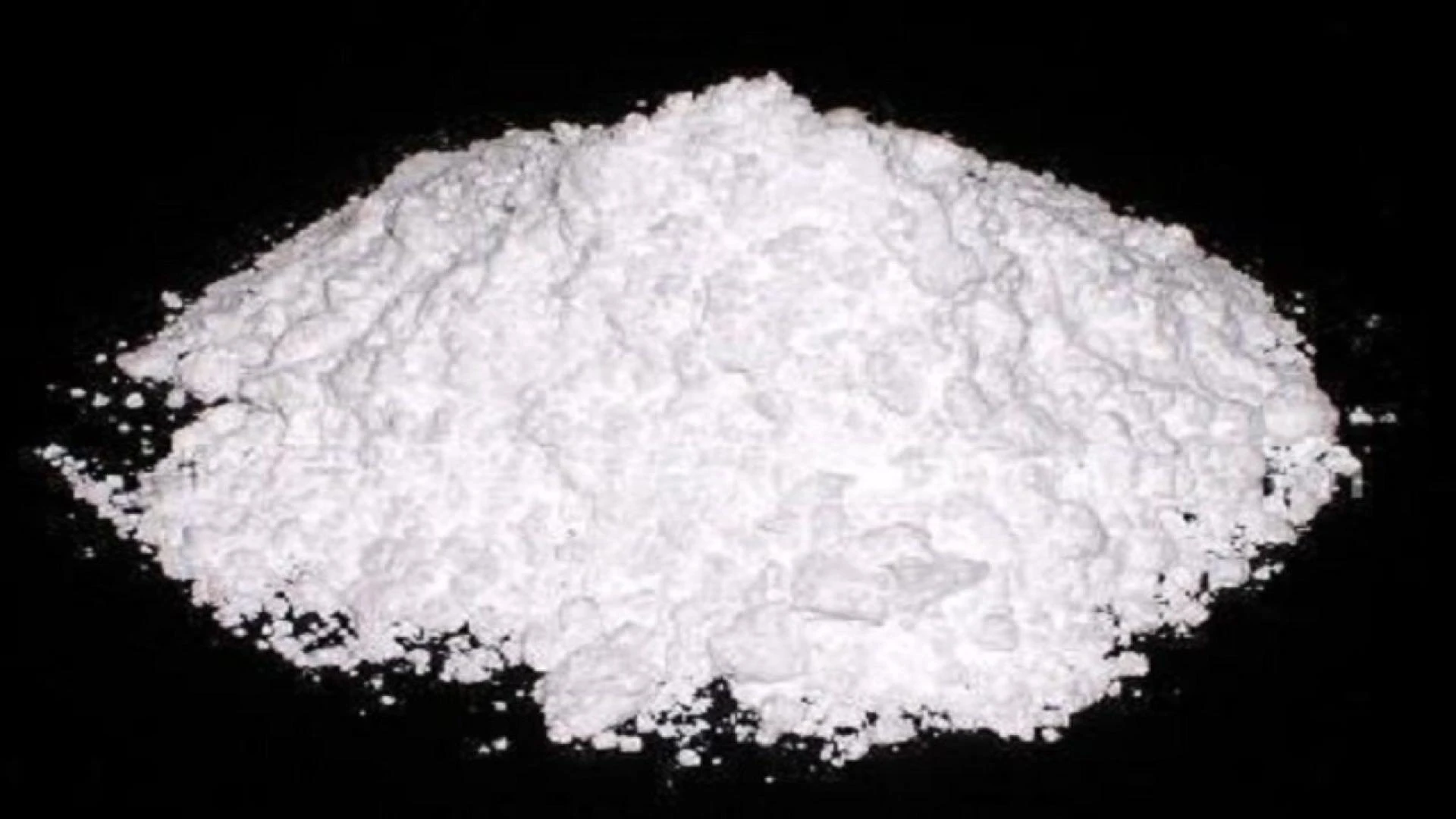
Alumina trihydrate, often known as aluminum hydroxide, is a power source derived from bauxite. It has a translucent white color. Heat causes alumina trihydrate to change to aluminum oxide and release water. The powder is most typically used in the manufacture of transparent lake pigments.
Request Copy of Sample Report: https://www.futuremarketinsights.com/reports/sample/rep-gb-335
Report Highlights
Alumina trihydrate has antacid characteristics and can help maintain an optimal pH in the gastrointestinal tract. Aluminum hydroxide demand from the global pharmaceuticals industry is expected to skyrocket due to its antacid qualities. Furthermore, because of its outstanding filler properties, it can be used in plastics, cosmetics, detergents, inks, ceramics, and glass. It also works well as a water repellent, flame retardant, and paper coating.
Strict fire safety laws have been implemented all over the world in recent years. This has resulted in increased demand for high-quality flame retardants, which has been steadily increasing. According to Future Market Insights (FMI), this tendency will continue between 2023 and 2033.
Throughout the assessment period, non-halogenated flame retardant demand elevated all over the globe, owing to various fire-related accidents. The use of alumina trihydrate also gained traction for engineering papers, plastics, rubbers, paints, and coatings. Automobiles with low weights tend to be more fuel efficient as it takes less power to move them compared to heavy all-metal vehicles.
Recent Developments
Approximately 10 to 15% of any modern-day vehicle’s weight includes plastic composites. Owing to these factors, automobile manufacturers are increasingly preferring these composites over metals. The use of metals can add to the strength and durability of automobiles.
Other kinds of metals also tend to make vehicles heavy, which is likely to impact their fuel economies adversely. Plastic composites engineered using alumina trihydrate can reduce a vehicle’s weight significantly. Among several car owners all over the globe, fuel economy has become a prominent talking point.
Fuel prices have been steadily rising in recent years, and vehicle owners are on the lookout for products that offer fuel economy benefits. Moreover, FMI anticipates this trend to persist over the next decade and drive alumina trihydrate demand. Using alumina trihydrate in automobile manufacturing as an alternative to titanium dioxide can also lower production costs by around 25%.
Competitive Landscape
Attributing to the widespread expansion of the alumina trihydrate market, the competition is predicted to grow fiercer due to the presence of dominant regional and international players in the market. The market still has a fair way to go before it reaches a saturation point. FMI anticipates both leading and emerging players to expand production facilities based on trends from the recent past.
There are massive investments in research and development activities as manufacturers are keen on reducing costs and improving quality. Acquisitions and mergers look probable too.
In January 2023, ChemIndia, a company based in India, announced the launch of extender pigment products which include alumina hydrate. In August 2022, Cimbar Resources Inc. acquired the manufacturing assets of Imerys Carbonates USA Inc. related to calcium carbonate manufacturing.
Top Key Player in the Global Industry
Sumitomo Chemical Co. Ltd.Aluminum Corp. of China Ltd.Nabaltec AGNational Aluminium Company Ltd.Huber Engineered MaterialsSCR Sibelco NVR.J. Marshall CompanyAlteoSouthern Ionics IncorporatedKey Segmentation
By End Use:
PlasticsPaperPaints and CoatingsAdhesivesChemicalsPharmaceuticalsBy Region:
North AmericaLatin AmericaWestern EuropeEastern EuropeMiddle East and AfricaAsia Pacific excluding JapanJapan
























Sign in to leave a comment.