
"Am I Even a Candidate?" What We Look for Before Recommending Veneers
"I love my friend's veneers. Can I get them too?"
She sat down in the chair with a photo pulled up on her phone, excited and ready to schedule. I appreciated the enthusiasm, but I needed to pump the brakes.
"Let me take a look first," I said. "Veneers can be amazing, but they're not right for everyone. Let's figure out if you're actually a good candidate before we start planning."
Her face fell slightly. "Wait, some people can't get veneers?"
This happens more often than you'd think at Picasso Dental Clinic. Someone sees a beautiful smile transformation, assumes veneers are universal, and is surprised to learn there are legitimate reasons why they might not be the best option—at least not yet, or not without addressing other issues first.
So let's talk honestly about what makes someone a good candidate for porcelain veneers, what disqualifies you, and what questions you should be asking yourself before ever sitting in a dental chair for a consultation.
What "Good Candidate" Actually Means
Being a good candidate for veneers isn't about deserving them or being worthy. It's about having the right combination of dental health, oral structure, habits, and realistic expectations that predict successful long-term outcomes.
I can place veneers on almost anyone technically. The question is whether those veneers will last, look natural, function properly, and make you happy years down the line. Good candidacy is about setting you up for success, not just completing a procedure.
Think of it like any other long-term investment. You could technically buy a sports car, but if you live on a dirt road with no garage, that car isn't going to serve you well. The issue isn't whether you can buy it; it's whether it makes sense for your situation.
The Green Lights: Ideal Candidate Characteristics
Let me start with what I look for in patients who are excellent candidates for veneers. These are the scenarios where I feel confident the outcome will be positive.
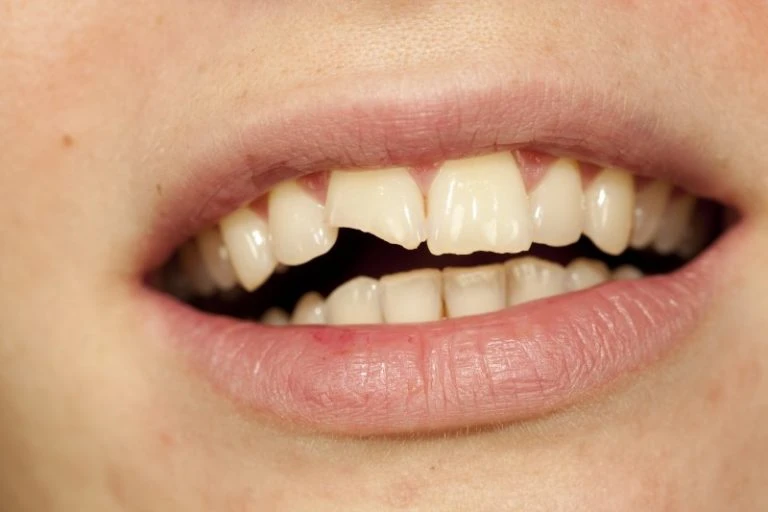
Your teeth are healthy but cosmetically flawed. This is the sweet spot. Your teeth are structurally sound—no decay, no fractures, no root canal failures. But they're discolored in ways whitening can't fix, slightly misshapen, chipped at the edges, or have minor spacing issues. You've got good raw material that just needs aesthetic enhancement.
I worked with someone recently whose teeth were perfectly healthy but badly stained from tetracycline exposure as a child. Whitening wouldn't touch it. Bonding would look patchy and require constant maintenance. Veneers gave her the natural-looking smile she'd wanted since adolescence, and because the underlying teeth were solid, I'm confident those veneers will last 15+ years.
Your gums are healthy and stable. This might not seem related to veneers, but it's critical. Veneers sit at the gum line. If you have gum disease, recession, or chronic inflammation, placing veneers on unstable tissue is asking for problems. The margins won't look right. Gaps can develop. Decay can creep in underneath.
When your gums are healthy—no bleeding, good bone levels, proper tissue attachment—veneers have the stable foundation they need. We can design them to work with your tissue, and they'll stay looking good as years go by.
You have adequate enamel. Veneers bond to enamel. If you've had significant enamel loss from erosion, grinding, or previous dental work, there might not be enough good bonding surface left. This doesn't automatically disqualify you, but it complicates things and might mean veneers aren't the most predictable option.
Your bite is stable and functional. If your teeth come together properly when you close your mouth, and you don't have major alignment issues, veneers can work well. We're enhancing what's already functional, not trying to use cosmetic work to fix structural problems.
You have realistic goals and expectations. This is huge. If you understand that veneers are an enhancement, not a magic fix for everything, and you have reasonable aesthetic goals that can be achieved with veneers, we're in good shape. Patients who want subtle, natural improvement tend to be happier than those expecting dramatic transformation.
You're committed to maintenance. Good candidates understand that veneers require care. You'll wear a night guard if needed. You'll keep up with dental cleanings. You won't use your teeth as tools. You're willing to invest in protecting your investment.
The Yellow Lights: Proceed with Caution
Then there are situations where veneers might work, but we need to address other issues first or have serious conversations about limitations.
You grind or clench your teeth. Bruxism is one of the most common complications I see with veneers. If you're grinding at night, you're applying massive forces to those porcelain restorations. They can chip, crack, or wear down prematurely.
Does this mean you can't get veneers? No. But it means you absolutely must wear a night guard, and even with protection, your veneers might not last as long as they would for non-grinders. Some patients decide the maintenance isn't worth it. Others are fine with the trade-off as long as they understand it upfront.
You have minor orthodontic issues. Small spacing, slight rotations, mild crowding—these can sometimes be camouflaged with veneers. But there are limits. If we have to make veneers excessively bulky to close gaps or hide misalignment, they'll look artificial and feel uncomfortable.
Often I'll suggest considering orthodontics first, even if it's just six months of clear aligners, to improve the foundation. Then veneers can enhance the result without looking overdone. Some patients are willing to invest the extra time. Others want the quicker veneer-only route and accept the aesthetic compromises.
You have existing dental work that needs updating. If you have old fillings, crowns, or other restorations on the teeth you want veneered, we need to evaluate them. Sometimes we can veneer over existing work. Sometimes we need to replace the underlying restoration first. This affects timeline and cost.
Your expectations are slightly unrealistic. Maybe you want veneers to look exactly like a celebrity's smile, but your facial structure is completely different. Or you want perfectly straight teeth but don't want orthodontics. These aren't automatic disqualifiers, but they require honest conversations about what's actually achievable and what compromises you might need to accept.
The Red Lights: Not Right Now (Or Maybe Never)
Some situations are clear contraindications. Veneers either won't work well, won't last, or will cause more problems than they solve.
Active tooth decay or gum disease. This is non-negotiable. We don't place cosmetic restorations on unhealthy teeth or tissue. The decay spreads under the veneer. The gum disease progresses and causes recession or bone loss. We have to treat the disease first, then reassess candidacy.
I've had patients frustrated by this, wanting to jump straight to the "pretty" part. But placing veneers on diseased teeth is like painting over a rotting fence. It looks good briefly, then everything falls apart.
Severe teeth grinding without commitment to a night guard. If someone tells me they grind heavily but refuses to wear a night guard, I won't place veneers. It's a waste of their money and my reputation. The veneers will fail, and everyone will be unhappy.
Significant structural problems that need more than cosmetic treatment. Severely broken-down teeth, extensive decay, failed root canals, significant bone loss—these situations need restorative dentistry, not cosmetic enhancement. Sometimes crowns are more appropriate than veneers. Sometimes the teeth need extraction and replacement.
Veneers are for teeth that are fundamentally sound but aesthetically lacking. They're not a structural repair material.
Insufficient tooth structure. If there's significant enamel loss or previous aggressive tooth preparation for other work, there might not be adequate surface for bonding. In these cases, crowns provide more predictable retention.
Unrealistic expectations that can't be managed. If someone wants results that are physically impossible or aesthetically inadvisable, and they won't accept guidance toward reasonable alternatives, they're not a good candidate. Not because of their teeth, but because the outcome won't match their vision and they'll be disappointed.
I've had consultations where it became clear the person's idea of success and my clinical reality weren't compatible. I'd rather refer them elsewhere or decline the case than deliver work I know won't satisfy them.
The Questions You Should Ask Yourself
Before you ever visit a dentist for a veneer consultation, here are the questions worth considering honestly.
Why do you want veneers? Is it because you genuinely dislike specific things about your teeth that veneers can fix? Or is it because veneers seem like the trendy cosmetic procedure everyone's getting? The motivation matters.
What are you trying to fix specifically? Discoloration? Chips? Slight spacing? Shape issues? Being clear about the problem helps determine if veneers are the right solution. Sometimes other treatments are more appropriate or more conservative.
Are you willing to commit to long-term maintenance? This isn't a one-time procedure you forget about. It's an ongoing relationship with dental care. If that sounds like too much work, maybe veneers aren't right for your lifestyle.
Do you take good care of your teeth currently? If you're skipping dental cleanings, rarely flossing, and have a history of cavities, that pattern won't magically change because you get veneers. And veneers on poorly maintained teeth have predictable outcomes—bad ones.
Can you afford not just the initial cost, but eventual replacement? Veneers will need replacing someday. If the initial investment is already stretching your budget to the breaking point, how will you handle replacement in 12 to 15 years?
Are you looking for enhancement or transformation? Veneers enhance what you have. They don't give you someone else's face or smile. If you're expecting transformation into a completely different appearance, your expectations might not align with what veneers actually deliver.
What Happens at a Real Consultation
When you come to Picasso Dental Clinic for a veneer consultation, here's what I'm actually evaluating.
I'm looking at your teeth, obviously. But I'm also looking at your bite, your gum health, signs of grinding or clenching, existing dental work, and the overall structure of your mouth. I'm taking photos from multiple angles and studying how your smile fits your face.
I'm asking about your goals and listening carefully to how you describe them. Are you focused on natural enhancement or dramatic change? Do you understand the process and commitment? Have you done research or are you going off a friend's recommendation?
I'm being honest about what I see. If I notice gum disease, I'm telling you that needs treatment first. If your expectations seem unrealistic, I'm having that conversation now, not after we've started irreversible work.
And critically, I'm asking myself: "If this person gets veneers, will they be happy in 5 years? In 10 years?" Because that's the outcome that matters. Not whether I can technically place veneers, but whether those veneers will serve you well long-term.
When I Say "Not Yet" or "Not This"
The patient who came in excited about her friend's veneers? After examination, I found active gum disease and significant grinding wear. She wasn't a candidate for veneers that day.
But she wasn't disqualified forever. I referred her to a periodontist for gum treatment and gave her a night guard to address the grinding. Six months later, after her gums were healthy and she'd proven she could wear the guard consistently, we moved forward with veneers.
That's the approach I take with many "yellow light" patients. Not "no," but "not yet, and here's what needs to happen first."
Sometimes the answer is "not veneers specifically, but here's a better option." Maybe teeth whitening combined with composite bonding achieves your goals more conservatively. Maybe orthodontics alone gets you where you want to be. Maybe crowns are more appropriate for teeth with extensive existing work.
Being a good candidate isn't about meeting some arbitrary standard. It's about the intersection of your dental health, your goals, and the realistic outcomes veneers can deliver in your specific situation.
So, are you a good candidate for porcelain veneers? I genuinely don't know without examining you. But hopefully you now have a better sense of what factors make someone a strong candidate, what concerns need addressing first, and what questions to ask during your consultation.
What's your main concern or hesitation about veneers? Understanding what's holding you back often clarifies whether you're in the right place to move forward.
---------------------------------------------------
PICASSO DENTAL CLINIC - CRAFTING SMILES, PAINTING HAPPINESS
Websites: https://picassodental.vn/ - Email: [email protected]
Picasso Dental Clinic Locations:
🏢 Picasso Dental Clinic Hanoi (Chau Long Branch): 16 Phố Châu Long, Trúc Bạch, Ba Đình, Hà Nội 100000
🏢 Picasso Dental Clinic Hanoi (Embassy Garden Branch): LKC22 Hoàng Minh Thảo, Bắc Từ Liêm, Hanoi, Hanoi City 100000
🏢 Picasso Dental Clinic Da Nang: 420 Hoàng Diệu, Bình Thuận, Hải Châu, Đà Nẵng 550000
🏢 Nha Khoa Picasso Vinmec Đà Nẵng: Tầng 2, Bệnh viện Vinmec Đà Nẵng, 30 Tháng 4, Hoà Cường Bắc, Hải Châu, Đà Nẵng, Đà Nẵng, Da Nang City 55000
🏢 Picasso Dental Clinic Ho Chi Minh City (Thao Dien, District 2): 25B Nguyễn Duy Hiệu, Phường Thảo Điền, Quận 2, Ho Chi Minh City, Thành phố Hồ Chí Minh 70000




























Sign in to leave a comment.