

"I'm getting married in three months and I want perfect teeth. Let's do this."
She was determined. She'd saved the money, cleared her calendar, and was ready to transform her smile before the wedding. But within the first five minutes of the examination at Picasso Dental Clinic, I knew I was going to disappoint her.
She had active cavities on multiple teeth, visible gum inflammation, and hadn't seen a dentist in four years. Her teeth weren't just cosmetically imperfect. They were unhealthy in ways that made veneers not just inadvisable but potentially harmful.
"I can't place veneers on these teeth," I told her. "Not yet. Maybe not for your wedding timeline."
The frustration on her face was immediate. "But my friend got veneers in two weeks. Why are you making this difficult?"
I get it. When you want something and have the money to pay for it, being told no feels arbitrary. But there are legitimate reasons why some people shouldn't get porcelain veneers, at least not without addressing other issues first. And understanding those reasons might save you from an expensive mistake.
The Non-Negotiable Disqualifiers
Let me start with the situations where I simply won't place veneers, regardless of how much someone wants them or how willing they are to accept risks.
Active tooth decay makes veneers dangerous, not just inadvisable. When you have untreated cavities, placing veneers is like putting a sealed lid over bacteria. The decay continues underneath where you can't see it, protected and undisturbed. By the time symptoms appear, the damage can be extensive, potentially requiring root canals or even extractions.
I've seen patients who got veneers elsewhere despite active decay. Two years later they're back with infections, pain, and teeth that can't be saved. The veneers looked beautiful initially, but they were hiding progressive destruction underneath.
We have to treat decay first. Period. Once your teeth are healthy, we can discuss cosmetic work. The timeline might not be what you hoped for, but the outcome will actually last.
Untreated gum disease is equally problematic. Veneers sit right at the gum line. If you have periodontal disease, the bone supporting your teeth is being destroyed. The gums are inflamed and receding. Placing veneers on diseased tissue means those veneers will look bad within months as recession worsens, and the underlying disease continues damaging the structures that hold your teeth in place.
I've had patients insist their gums are fine because they don't hurt. Gum disease often doesn't hurt until it's advanced. The bleeding when you brush, the slight puffiness, the occasional bad breath? Those are signs of disease that need treatment before any cosmetic work.
Severe bruxism without treatment commitment is a deal breaker. If you grind your teeth heavily at night and refuse to wear a night guard, veneers are a terrible investment. They will chip. They will crack. They might last two years instead of fifteen. And when they fail, you'll be frustrated and out several thousand dollars.
I won't knowingly place work I know will fail. If someone isn't willing to protect the investment with a night guard, I'm not willing to proceed. It's not about being difficult; it's about being realistic.
The "Not Yet" Category
Then there are situations where veneers might eventually work, but the timing is wrong or preparatory work is needed first.
Young patients with developing smiles. I'm cautious about placing veneers on anyone under 18, and honestly, I prefer to wait until the early twenties. Teeth continue to develop and settle. The bite changes. The face matures. Placing permanent veneers before development is complete can lead to problems as the oral environment shifts.
Teenagers often want veneers for the same cosmetic concerns adults have. But orthodontics, whitening, or bonding can often address those concerns without the permanence and commitment of veneers. Save veneers for when your smile is fully developed and stable.
People in active orthodontic treatment. If you're currently wearing braces or aligners, wait until that's complete. Your tooth positions are changing. We can't design veneers for teeth that are still moving. Once orthodontics is finished and teeth have stabilized in their new positions, then we can discuss veneers if you still want them.
I've had patients frustrated by this timeline. They want the veneers immediately after braces come off. But teeth need time to settle, and sometimes the post-orthodontic result looks so good that veneers become unnecessary.
Anyone with untreated TMJ or bite problems. If your jaw clicks, pops, or hurts, or if you have significant bite misalignment, those issues need evaluation and often treatment before veneers. Changing the front surface of your teeth with veneers affects your bite. If your bite is already problematic, veneers can make it worse.
This frustrates patients because TMJ treatment can be lengthy and expensive. But placing veneers on a dysfunctional bite often leads to more problems, not fewer.
Patients with substance abuse issues affecting oral health. Methamphetamine use, chronic alcohol abuse, and certain other substance issues cause severe oral health deterioration. The teeth are often fragile, the gums diseased, and the saliva flow compromised. Veneers won't fix the underlying damage and will likely fail quickly.
This is a sensitive topic, but it's important. Recovery and oral health restoration need to come before cosmetic work. I've had these conversations, and they're never easy, but they're necessary.
The Lifestyle and Habit Disqualifiers
Sometimes it's not about dental disease but about behaviors that predict veneer failure.
People who use their teeth as tools habitually. If you regularly open bottles with your teeth, bite tags off clothing, hold nails while working, or tear open packaging with your front teeth, veneers will not survive your habits. Porcelain can handle normal chewing forces. It can't handle the lateral forces and impacts of using teeth as pliers.
I've asked patients about these habits during consultations. Some are willing to change. Others are honest that they probably won't. I appreciate that honesty because it tells me veneers aren't right for them.
Athletes in high-contact sports without mouthguard commitment. If you play hockey, box, or participate in other contact sports where facial impact is likely, veneers are risky. Even with a mouthguard, the risk of damage is higher than for non-athletes.
Some athletes still choose veneers and accept the risk. But they need to understand that a single hit could fracture multiple veneers, requiring expensive replacement. Not everyone is comfortable with that trade off.
People with poor oral hygiene who won't change. If you rarely brush, never floss, and skip dental appointments, you're not a good candidate. Veneers don't make you immune to decay or gum disease. They actually require diligent care to maintain.
When I see someone whose existing teeth are covered in plaque and calculus, I know veneers will develop the same problems. Better oral hygiene has to come first, with demonstrated consistency over months, before cosmetic work makes sense.
The Expectation Mismatches
Sometimes the disqualification isn't medical. It's psychological or based on unrealistic expectations.
Patients expecting veneers to fix everything in their lives. I've had consultations where it became clear the person believed veneers would solve problems far beyond dental aesthetics. New career, new relationship, new confidence in every area. While veneers can boost confidence, they're not therapy or life transformation magic.
When expectations are this divorced from reality, the patient will be disappointed no matter how beautiful the veneers look. I've learned to recognize this during consultations and suggest the person work with a therapist alongside or before pursuing cosmetic dentistry.
People who want results that are physically impossible or obviously artificial. If someone shows me a photo of a celebrity and says "I want exactly this," but their facial structure, lip line, and proportions are completely different, we have a problem. I can't deliver what they're imagining, and they'll be unhappy with any result I can actually create.
I try to redirect these expectations during consultation, showing what's realistic for their specific anatomy. Sometimes that works. Sometimes it becomes clear I'm not the right dentist for them, and that's okay.
Patients who can't afford the long-term commitment. Veneers aren't just the initial cost. They require maintenance, potential repairs, and eventual replacement. If someone is stretching their budget to the absolute limit just for the initial work, how will they handle a chipped veneer next year or replacement in fifteen years?
I've had honest conversations with people about this. Sometimes they decide to save longer. Sometimes they explore more affordable alternatives like whitening and bonding. It's better to have that reality check before starting than to create financial stress down the line.
Red Flags I Look For During Consultations
Over the years at Picasso Dental Clinic, I've developed a sense for consultations that are headed in the wrong direction.
Rushing the decision. When someone wants to start immediately without taking time to consider the commitment, ask questions, or think through implications, I get concerned. Veneers are permanent. This decision deserves careful thought.
Shopping for the cheapest option. If the primary concern is finding the lowest price rather than finding skilled work, that's a red flag. Quality veneers require expertise, quality materials, and careful execution. The dentist offering prices significantly below market rate is cutting corners somewhere.
Dismissing concerns or advice. When I explain that gum treatment is needed first or that their grinding needs addressing, and the response is "I don't care, just do the veneers," I know this isn't going to end well. Ignoring clinical realities doesn't make them go away.
Bringing photos of multiple different "ideal" smiles. This often indicates unclear expectations or a desire for dramatic transformation that might not be achievable. Successful veneer cases usually start with clear, specific, realistic goals.
What I Recommend Instead
When I have to tell someone they're not a candidate for veneers, I try to offer alternatives rather than just closing the door.
For patients with decay or gum disease, we create a treatment plan to address those issues first. Once they're healthy, we revisit cosmetic options. Sometimes by that point, they realize their smile looks pretty good and they don't need veneers after all.
For young patients, I often suggest orthodontics and whitening to improve their smile while preserving natural tooth structure. They can always get veneers later if they still want them.
For people with habits that would damage veneers, I recommend composite bonding. It's less expensive, reversible, and easier to repair when it inevitably chips. It's not as durable or stain-resistant as porcelain, but for someone who uses their teeth roughly, it's the more sensible choice.
For expectation mismatches, I sometimes suggest consultation with another cosmetic dentist to get a second perspective. If multiple dentists are saying the same thing, it might help the person understand what's realistic.
The Wedding That Didn't Happen
That bride who wanted veneers three months before her wedding? We had a long conversation. Her teeth needed fillings and a deep cleaning. We could get her healthy in time for the wedding, but veneers would have to wait.
She was upset initially. Then she asked, "What can we do to make my smile better for photos, even without veneers?"
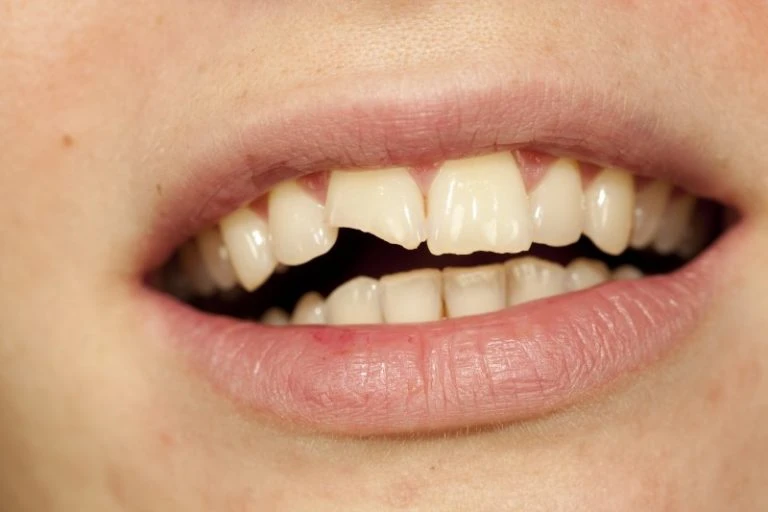
We did the necessary dental work, followed by professional whitening. I placed composite bonding on two front teeth that had chips. The total cost was a fraction of what veneers would have been, and her smile looked genuinely good in her wedding photos.
She came back eight months later, teeth healthy and well-maintained. "I'm ready for veneers now," she said. "And I'm glad we waited."
We placed her veneers on healthy teeth with realistic expectations and proper timing. Three years later, they still look perfect because we built them on the right foundation.
That's the difference between doing it right and doing it fast. Not everyone should get porcelain veneers, and that's not gatekeeping. It's protecting people from expensive mistakes and ensuring that when veneers do happen, they succeed.
Have you ever been told you're not a candidate for something you wanted? How did that conversation go?
---------------------------------------------------
PICASSO DENTAL CLINIC - CRAFTING SMILES, PAINTING HAPPINESS
Websites: https://picassodental.vn/ - Email: [email protected]
Picasso Dental Clinic Locations:
🏢 Picasso Dental Clinic Hanoi (Chau Long Branch): 16 Phố Châu Long, Trúc Bạch, Ba Đình, Hà Nội 100000
🏢 Picasso Dental Clinic Hanoi (Embassy Garden Branch): LKC22 Hoàng Minh Thảo, Bắc Từ Liêm, Hanoi, Hanoi City 100000
🏢 Picasso Dental Clinic Da Nang: 420 Hoàng Diệu, Bình Thuận, Hải Châu, Đà Nẵng 550000
🏢 Nha Khoa Picasso Vinmec Đà Nẵng: Tầng 2, Bệnh viện Vinmec Đà Nẵng, 30 Tháng 4, Hoà Cường Bắc, Hải Châu, Đà Nẵng, Đà Nẵng, Da Nang City 55000
🏢 Picasso Dental Clinic Ho Chi Minh City (Thao Dien, District 2): 25B Nguyễn Duy Hiệu, Phường Thảo Điền, Quận 2, Ho Chi Minh City, Thành phố Hồ Chí Minh 70000


























Sign in to leave a comment.