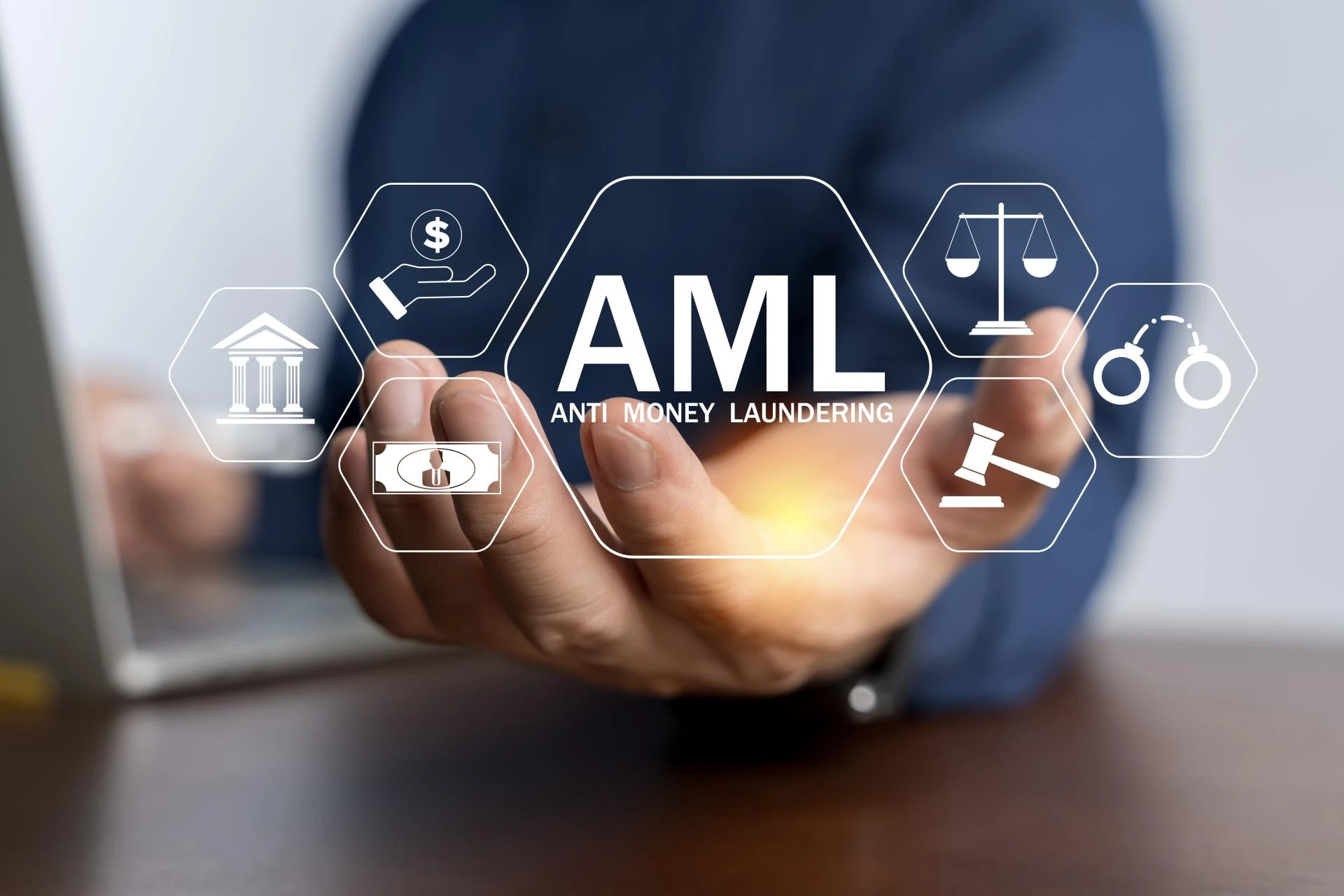

In today’s digital-first financial landscape, neobanks are reshaping banking with innovation, speed, and accessibility. However, with opportunity comes risk particularly in the area of money laundering and financial crime. As we enter 2025, Anti-Money Laundering (AML) compliance has become non-negotiable for neobanks. Regulatory requirements are tightening globally, and digital fraud is becoming more sophisticated. This guide provides a practical roadmap for understanding, implementing, and optimizing AML solutions tailored specifically for neobanks.
Understanding AML in the Neobank Context
Anti-Money Laundering (AML) refers to a set of regulations, processes, and technologies aimed at preventing illegal money movement through the financial system.
For neobanks which operate exclusively in digital ecosystems the challenge is even greater:
- All customer interactions are online, making identity verification critical.
- They face risks of cross-border scams and crypto-related laundering.
- Regulators like FATF, EU AMLA, and FinCEN are expanding their oversight in 2025.
In short, neobanks must strike the right balance between innovation and stringent compliance.
Why Neobanks Need Strong AML Solutions
Unlike traditional banks, neobanks lack physical branches and rely on digital channels. While this model offers flexibility, it also makes them a prime target for financial criminals.
Key reasons why AML is vital:
- Rising fraud and identity theft: New AI-driven cyberattacks are harder to detect manually.
- Severe penalties for non-compliance: Regulatory fines in 2024 exceeded billions globally.
- Customer confidence: A single breach can destroy brand trust and growth momentum.
Core Features of AML Solutions for Neobanks
Modern AML platforms are powered by automation, AI, and real-time monitoring. Essential features include:
- KYC & e-KYC automation: For smooth digital onboarding with identity verification.
- Continuous transaction monitoring: Detect suspicious activity in real time.
- AI/ML fraud detection: Machine learning models spot unusual transaction patterns.
- Sanctions and PEP screening: Ensures no association with blacklisted or high-risk entities.
- Regulatory reporting dashboards: Simplify compliance audits and investigations.
Technology Driving AML in 2025
Technology innovation is reshaping AML compliance. In 2025, we see:
- AI and ML: Predictive analytics to detect anomalies before they become threats.
- Blockchain: Immutable records improve transparency and auditability.
- Cloud-based AML solutions: Faster deployment and scalability for neobanks.
- APIs and integrations: Seamless interoperability with neobanking platforms.
Practical Steps for Neobanks to Implement AML Solutions
Implementing AML is not just about installing software it’s about building a compliance culture. Steps include:
- Assess regulatory requirements: Map needs across markets of operation.
- Evaluate AML vendors: Look for cost-effective, AI-driven, and API-friendly solutions.
- Integrate AML in onboarding: Ensure customer experience remains frictionless.
- Train teams continuously: Keep compliance officers and staff updated on AML laws.
Best Practices for Neobanks in 2025
- Adopt a risk-based approach: Focus more resources on high-risk transactions.
- Prefer continuous monitoring: React quickly to suspicious patterns.
- Leverage data analytics: Gain insights into hidden financial crime patterns.
- Maintain the customer-first experience: Balance security with convenience.
Top AML Solution Providers for Neobanks (2025 Snapshot)
Some AML vendors leading in innovation include:
- SAS – Advanced analytics-driven compliance tools.
- Fenergo – Strong KYC and client lifecycle management.
- ComplyAdvantage – AI-driven transaction monitoring and sanctions screening.
- Feedzai – Fraud prevention with machine learning.
- Actico – Risk-based compliance for global banking players.
Each has unique strengths, so neobanks should select based on size, market, and compliance needs.
Future Trends in AML for Neobanks
Looking ahead, AML technology will become even smarter. Trends to watch:
- Predictive compliance powered by AI – anticipating fraud before it occurs.
- RegTech ecosystems – closer collaboration between neobanks, vendors, and regulators.
- Digital identity innovation – greater reliance on biometrics and behavioral analytics.
- Global standardization – AML regulations are expected to harmonize across major markets.
Conclusion
AML is not just a regulatory necessity it’s a growth enabler for neobanks aiming to build trust and longevity. In 2025, smart neobanks will adopt AI-first AML solutions, partner with top RegTech providers, and embed compliance deeply into their customer journey. Those who act now will not only avoid penalties but also position themselves as leaders in secure digital banking.





















Sign in to leave a comment.