

AI voice agents are reshaping the sales landscape by automating repetitive, routine tasks and enabling sales teams to focus on high-value activities like building relationships and closing deals. With advanced natural language processing, voice synthesis, and system integration, businesses can achieve dramatic improvements in productivity and customer engagement.
Understanding AI Voice Agents
Modern voice AI technologies use Automatic Speech Recognition, Natural Language Processing, and Text-to-Speech engines to enable natural conversations with customers. Unlike legacy IVR or scripted bots, advanced agents can manage complex workflows, adapt to unexpected queries, and analyze sentiment for richer engagement. Integrated with sales platforms and CRMs, these agents automate large portions of the sales cycle and provide actionable real-time analytics.
Core Sales Tasks Powered by AI Voice Agents
- Lead Qualification: AI agents handle inbound lead screening, gather necessary information, ask qualifying questions, and prioritize high-value prospects for human reps. This dramatically speeds up the qualification process and lets sales professionals focus on conversions.
- Automated Follow-Ups: Voice agents execute persistent follow-ups, reminders, and nurturing campaigns. They engage prospects across multiple channels around the clock, ensuring no opportunity slips through the cracks.
- Inbound Inquiry Handling: Agents instantly answer frequently asked questions, provide product details, and schedule appointments or demos making sales teams more responsive and efficient.
- CRM Automation: All conversations and interactions are instantly logged in the CRM, keeping records up-to-date and eliminating manual data entry.
Conversation Design and Personalization
These intelligent agents use scenario-based design and prompt engineering tools to map conversation flows tailored to typical customer journeys. Responses and offers are dynamically personalized using CRM data and real-time analytics delivering hyper-relevant customer experiences at scale. Advanced speech models also provide ultra-realistic, emotionally-aware voice interactions, elevating trust and engagement.
Strategic Impact on Sales Teams
AI voice agents speed up buyer response times, improve qualification rates, and help sales teams focus on complex negotiations and relationship-driven selling. By taking over repetitive outreach and administrative tasks, AI agents free human sales professionals to deliver strategic value. Hybrid team models, where AI handles outreach and humans close deals, deliver higher productivity, conversion rates, and satisfaction both for staff and prospects.
Implementation Blueprint: Deployment Steps
- Define Workflow: Identify sales processes with high automation potential (lead qualification, appointment scheduling).
- Design Dialogues: Create conversation flows and scripts that align with desired customer outcomes.
- Integrate Systems: Ensure seamless CRM and sales platform integration for real-time data sync.
- Training and Testing: Train agents on real transcripts and likely scenarios; conduct edge-case and compliance testing.
- Deploy and Optimize: Launch incrementally, monitor key performance indicators, and optimize continuously through feedback and analytics.
Advanced Use Cases and Applications
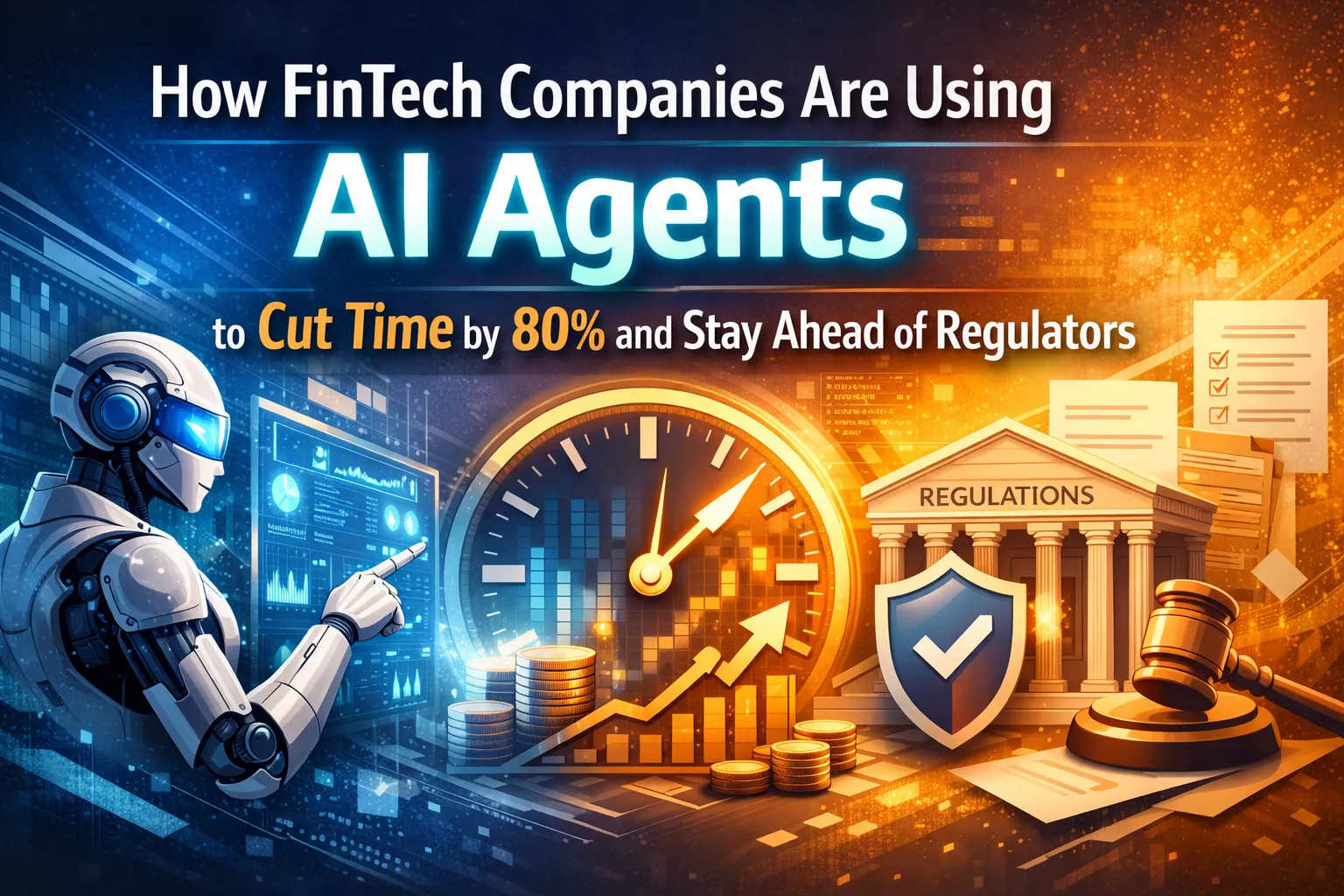
Industries like fintech, real estate, healthcare, and e-commerce deploy multilingual AI voice agents to support qualification, product upselling, and complex support inquiries. Strategies include automating follow-ups, lead scoring, and leveraging conversation data for advanced analytics and continuous performance improvement.
Challenges, Risks, and Mitigation
- Trust and Emotional Intelligence: AI still has limitations in building trust and handling nuanced negotiations.
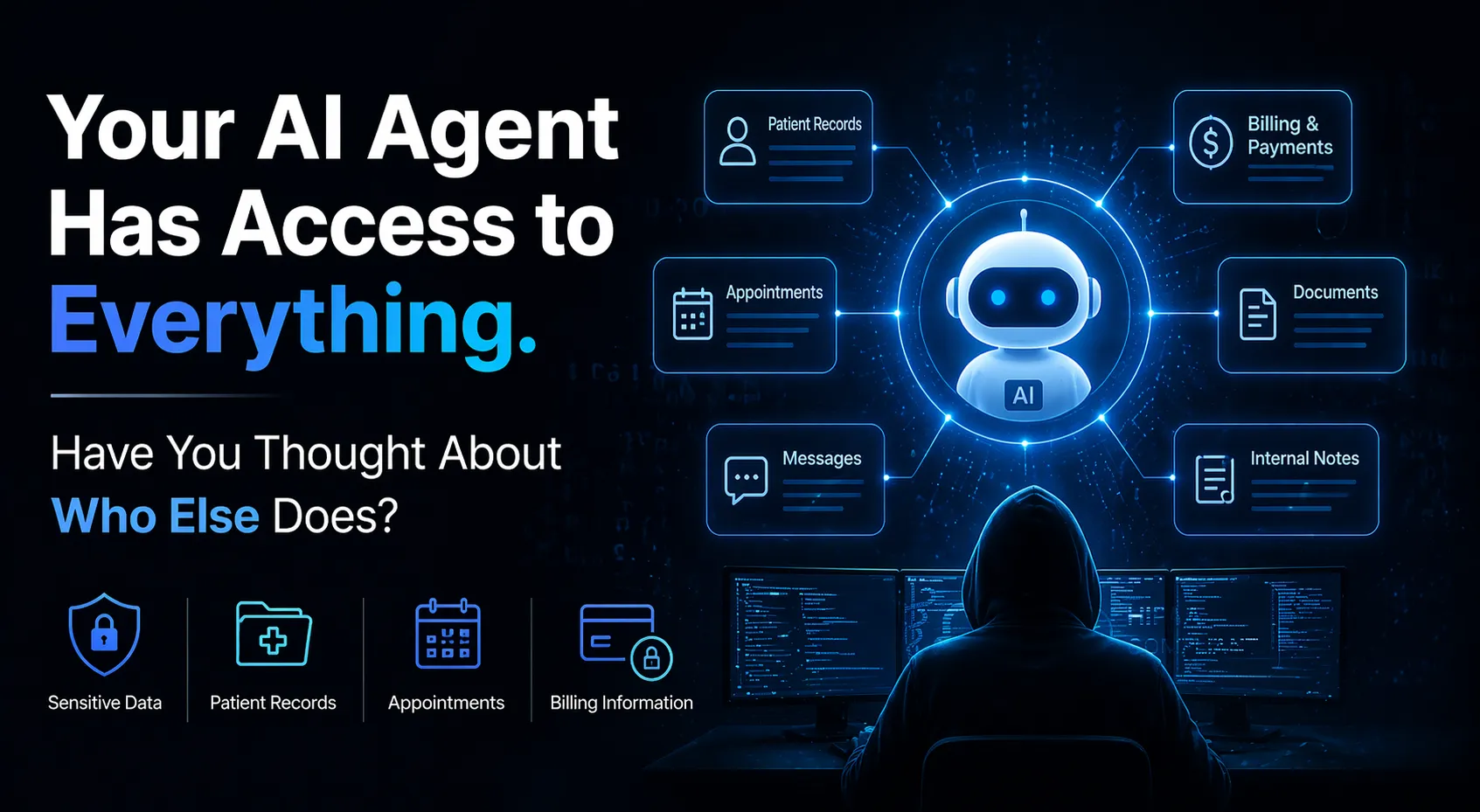
- Data Privacy: Robust security and compliance must protect sensitive information.
- Adaptability: Agents must escalate to humans when conversations deviate far from standard flows.
- Cultural Sensitivity: Customization is critical; agents must understand local context and cultural expectations.
Future Trends in AI Voice Sales Agents
The next wave of AI agents will feature deeper contextual understanding, advanced emotional intelligence, and seamless multimodal interactions. Autonomous agents will become standard in sales teams, managing large parts of the sales workflow while continuously learning and adapting. Hyper-personalisation and real-time analytics will define customer engagement strategies.
Measuring ROI
Success metrics for AI voice agent implementation include increased sales conversion rates, reduced average handling times, and improved customer satisfaction scores. Tracking these KPIs post-deployment validates the transformative power of AI in modern sales organizations.
Conclusion
AI voice agents are becoming critical partners in sales, providing 24/7 automation, scalable personalization, and actionable analytics. Businesses achieve more productive, responsive, and collaborative sales environments by leveraging automation for repetitive tasks while focusing human talents on high-value strategic work. This synergy is setting the new standard for sales excellence.




























Sign in to leave a comment.