

Choosing the right hosting solution can directly impact your website’s performance, security, and long-term growth. If you’ve been exploring hosting options, you’ve likely come across the term dedicated server. While it offers powerful advantages, it also comes with a higher price tag and management responsibility. The real question is—does it justify the investment for your specific needs?
This guide breaks down the key factors you should evaluate before deciding whether a dedicated server is the right move for your business or project.
What Is a Dedicated Server?
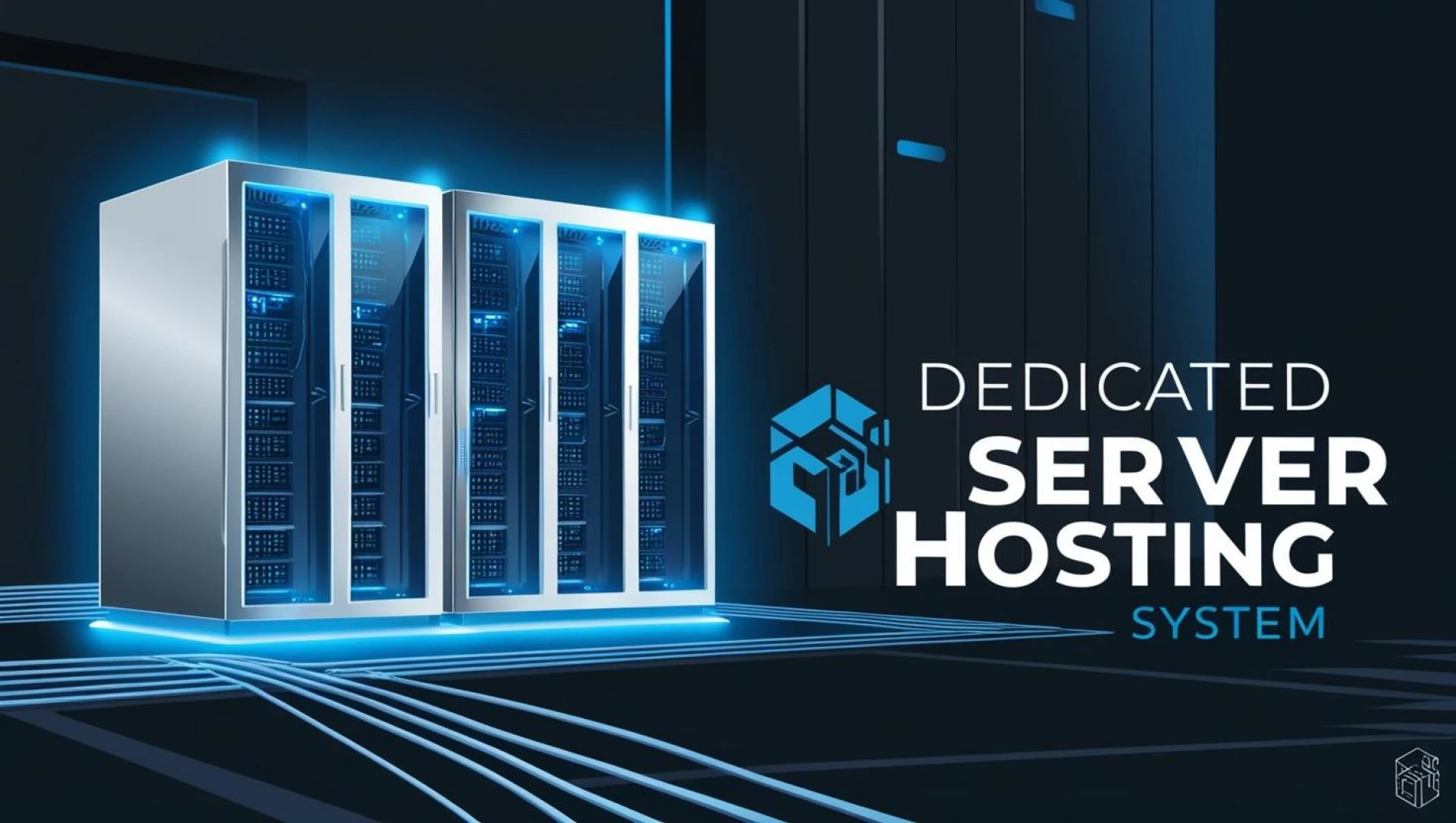
A dedicated server is a physical server entirely reserved for a single user or organization. Unlike shared hosting or VPS (Virtual Private Server), where resources are divided among multiple users, a dedicated server gives you full access to CPU, RAM, storage, and bandwidth.
This exclusivity allows for maximum performance, better security, and complete customization—but also requires more technical involvement.
When Does a Dedicated Server Make Sense?
Not every website or application needs this level of power. However, there are specific scenarios where upgrading becomes not just beneficial, but necessary.
High-Traffic Websites
If your website receives thousands (or millions) of visitors daily, shared hosting can quickly become a bottleneck. A dedicated server ensures stable performance even during peak traffic periods.
Resource-Intensive Applications
Applications such as large e-commerce stores, SaaS platforms, or data-heavy portals require consistent processing power. Dedicated servers handle these workloads without lag or interruptions.
Enhanced Security Needs
Businesses handling sensitive customer data—like financial information or personal details—benefit from the added security of isolated resources.
Key Benefits of a Dedicated Server
Understanding the advantages helps you determine whether the investment aligns with your goals.
1. Superior Performance
Since all resources are allocated to your website, performance remains consistent regardless of external factors. This results in faster loading times and better user experience.
2. Full Control and Customization
You have complete control over the server environment. Install custom software, configure settings, and optimize performance based on your exact requirements.
3. Stronger Security
Dedicated servers minimize vulnerabilities associated with shared environments. You can implement advanced security protocols tailored to your needs.
4. Reliability and Stability
With no resource sharing, your website won’t be affected by other users’ activities. This ensures consistent uptime and reliability.
Potential Drawbacks to Consider
While dedicated servers offer impressive benefits, they are not without challenges.
Higher Cost
Dedicated hosting is significantly more expensive than shared or VPS hosting. Costs include hardware, maintenance, and sometimes management services.
Technical Expertise Required
Managing a server requires knowledge of system administration, security updates, and troubleshooting. Without this expertise, you may need to hire professionals.
Responsibility for Maintenance
Unless you opt for a managed plan, you are responsible for server updates, monitoring, and performance optimization.
Dedicated Server vs Other Hosting Options
To make an informed decision, it helps to compare alternatives.
Shared Hosting
- Lowest cost
- Limited resources
- Suitable for small websites or beginners
VPS Hosting
- Moderate cost
- Scalable resources
- Better control than shared hosting
Dedicated Hosting
- Highest cost
- Maximum performance and control
- Ideal for large-scale or mission-critical applications
If your website is growing steadily and facing limitations with VPS hosting, moving to a dedicated server could be the next logical step.
Cost vs Value: Is It Worth the Investment?
The value of a dedicated server depends on how much you rely on your website for revenue or operations.
If your website downtime leads to lost sales or customer dissatisfaction, investing in a dedicated server can actually save money in the long run. On the other hand, if your website is informational or has minimal traffic, the cost may outweigh the benefits.
Scalability and Future Growth
A major advantage of dedicated servers is scalability. As your business grows, your server can be upgraded with more RAM, storage, or processing power.
This makes it a future-proof solution for businesses planning long-term expansion.
Managed vs Unmanaged Dedicated Servers
Before making a decision, consider the type of service you need.
Managed Dedicated Server
- Hosting provider handles maintenance, updates, and security
- Ideal for businesses without technical expertise
- Higher cost but less hassle
Unmanaged Dedicated Server
- Full control over server operations
- Requires technical knowledge
- More cost-effective but time-consuming
Performance Impact on SEO and User Experience
Website speed and uptime directly affect search engine rankings and user satisfaction.
A dedicated server ensures:
- Faster page load times
- Lower bounce rates
- Improved SEO performance
- Better customer retention
These factors contribute significantly to overall online success.
Security Considerations
Security is a top priority, especially for businesses handling sensitive data.
With a dedicated server, you can:
- Configure firewalls
- Implement custom encryption
- Monitor threats in real time
- Control access permissions
This level of security is difficult to achieve in shared environments.
How to Decide If It’s Right for You
Ask yourself the following questions:
- Is your website experiencing performance issues on current hosting?
- Do you handle large volumes of traffic or data?
- Is security a critical concern for your business?
- Do you have the technical expertise or budget for managed services?
If the answer is yes to most of these, a dedicated server is likely a worthwhile investment.
Final Thoughts
A dedicated server offers unmatched performance, control, and security—but it’s not a one-size-fits-all solution. The decision ultimately depends on your website’s size, complexity, and growth plans.
For businesses aiming to scale, deliver high performance, and maintain strong security standards, dedicated hosting provides a solid foundation. Carefully evaluate your needs, budget, and technical capabilities before making the switch to ensure you get the best return on investment.
If you’re planning to upgrade your hosting infrastructure, exploring reliable providers offering india dedicated server hosting can help you achieve optimal performance while keeping latency low for your target audience.
Frequently Asked Questions (FAQs)
1. What is the main advantage of a dedicated server?
The primary advantage is exclusive access to resources, which ensures high performance, better security, and full customization.
2. Is a dedicated server suitable for small businesses?
It depends on the business size and website traffic. Small businesses with low traffic may not need it, but growing businesses can benefit significantly.
3. Do I need technical knowledge to use a dedicated server?
Yes, especially for unmanaged servers. However, managed hosting options are available for users without technical expertise.
4. How expensive is a dedicated server?
Costs vary depending on hardware and services, but it is generally more expensive than shared or VPS hosting.
5. Can I upgrade my dedicated server later?
Yes, most providers offer scalability options, allowing you to upgrade resources as your needs grow.
6. Is dedicated hosting better for SEO?
Yes, faster load times and improved uptime can positively impact search engine rankings.
7. What is the difference between managed and unmanaged servers?
Managed servers include support and maintenance, while unmanaged servers require you to handle everything yourself.




























Sign in to leave a comment.