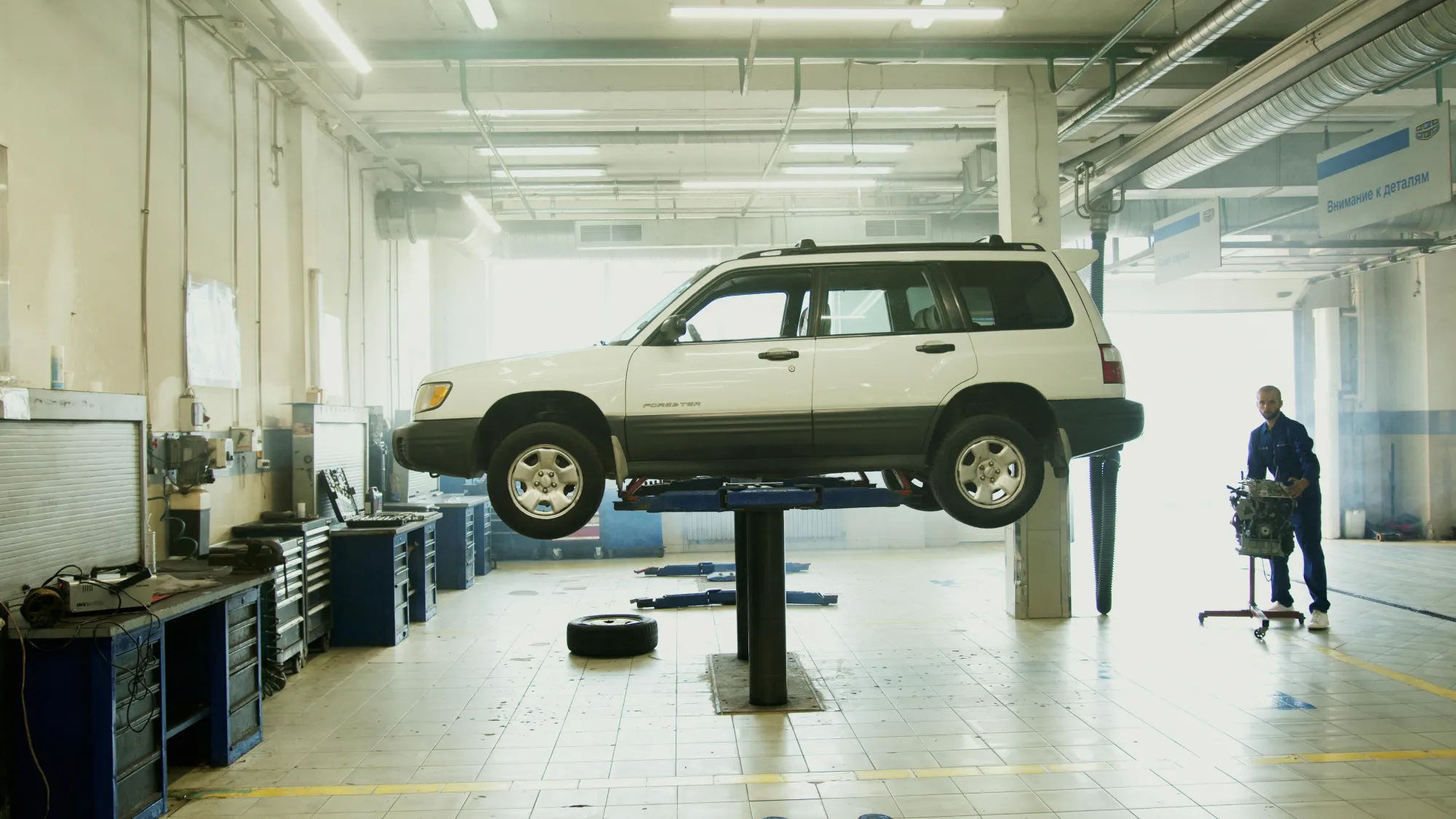

For many entrepreneurs, the idea of owning a business in the automotive industry is appealing for one simple reason: demand is consistent. Vehicles require regular maintenance, repairs, and servicing, which creates a steady flow of customers over time.
But starting an independent shop from scratch can be complex. There are systems to build, staff to hire, and a reputation to establish from the ground up.
That’s why franchise opportunities have become a popular alternative.
If you’re exploring an automotive franchise for sale, it’s important to understand how these opportunities are structured and what you’re actually investing in. The structure behind the model is what often determines whether it’s a good fit for your goals.
What an Automotive Franchise Opportunity Includes
At its core, a franchise gives you access to a pre-established business model.
Instead of creating your own processes, you’re working within a system that has already been developed and tested. This structure is designed to reduce uncertainty and provide a clearer path to operation. A typical automotive franchise opportunity includes:
- A defined set of services and pricing models
- Operational guidelines and workflows
- Branding and marketing support
- Training programs for new owners
This framework allows you to focus on running the business rather than building it from scratch.
The Role of Franchise Fees and Initial Investment
One of the first things to understand is the financial structure.
When you purchase a franchise, you’re paying for access to the brand, systems, and support provided by the franchisor. Common costs include:
- An initial franchise fee
- Equipment and setup expenses
- Lease or property costs
- Ongoing royalties or marketing contributions
These costs can vary depending on the brand and the scale of the operation.
While the upfront investment may be higher than starting independently in some cases, the trade-off is access to established systems and resources.
Training and Support Built Into the Model
One of the defining features of a franchise is the support system behind it.
Most automotive franchise opportunities include structured training programs to help new owners understand how the business operates. This often covers both technical and operational aspects. Ongoing support may include:
- Updates on new automotive technologies
- Operational guidance
- Marketing assistance
- Access to a network of other franchise owners
This support is especially valuable if you’re new to the industry. Rather than learning everything through trial and error, you’re following a system that’s already been refined over time.
How Day-to-Day Operations Are Structured
Franchise systems are designed to create consistency across locations.
That means daily operations are typically guided by established processes. As an owner, your responsibilities often include:
- Managing staff and technicians
- Overseeing scheduling and workflow
- Handling customer interactions
- Monitoring financial performance
Even if you’re not directly involved in repairs, understanding how these processes work is important. The structure provided by the franchise helps ensure that operations remain consistent and efficient.
Brand Recognition and Customer Trust
In the automotive industry, trust is a key factor in customer decisions. Many customers don’t have detailed technical knowledge, so they rely on reputation when choosing where to take their vehicle. Franchise brands help build that trust.
A recognized name can signal consistency and professionalism, making it easier to attract customers compared to starting an independent shop. If you’re evaluating an automotive franchise for sale, it’s worth considering how strong the brand is and how it’s perceived.
Scalability and Growth Opportunities
Another important part of the structure is scalability.
Franchise systems are designed to support growth beyond a single location. Once your first location is established, you may have the opportunity to:
- Open additional locations
- Expand service offerings
- Increase capacity within your shop
Because the systems are standardized, scaling becomes more manageable compared to independent growth. This is one of the reasons many entrepreneurs view franchising as a long-term investment rather than a single business.
The Balance Between Structure and Flexibility
While structure is a major advantage of franchising, it also comes with limitations. As a franchise owner, you’re expected to follow the franchisor’s guidelines. This can include:
- Service offerings
- Pricing structures
- Branding and marketing approaches
This level of standardization helps maintain consistency, but it can limit flexibility. For some owners, this structure provides clarity and support. For others, it may feel restrictive. Understanding this balance is an important part of evaluating whether the model is right for you.

























Sign in to leave a comment.