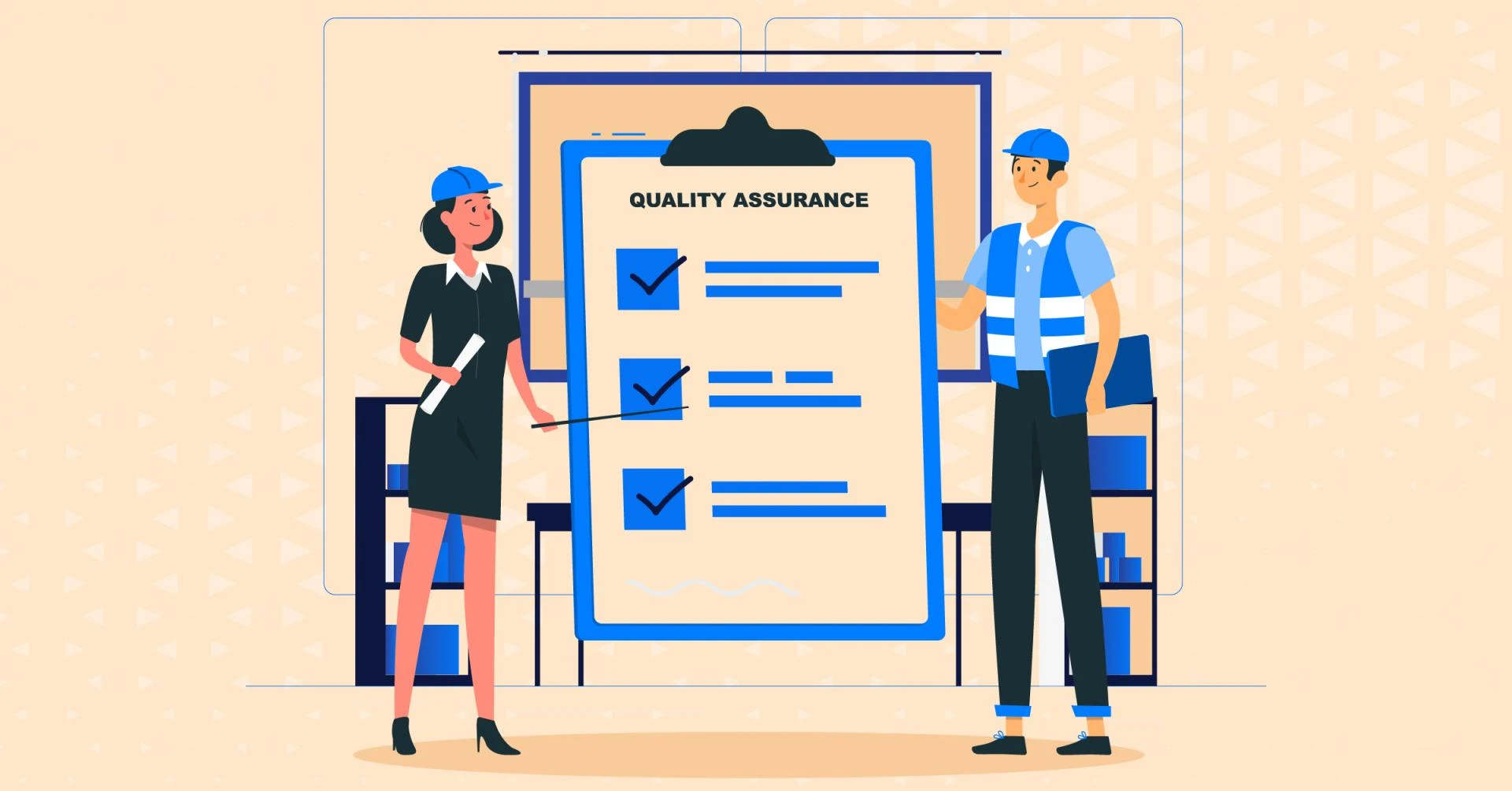

Quality management is a fundamental concept that plays a pivotal role in ensuring the excellence of products and services across industries. In a world driven by customer expectations and global competition, organizations must prioritize quality to remain relevant and successful.
Quality management services encompass a range of practices, methodologies, and strategies designed to monitor, control, and continuously improve the quality of processes, products, and services offered by businesses.
Key Principles of Quality Management
At the heart of effective quality management services are several key principles that guide the approach:
Deming Cycle (Plan-Do-Check-Act)
This iterative cycle forms the foundation of quality improvement efforts. Organizations plan how to achieve quality objectives, execute those plans, check the results against the objectives, and take corrective actions to improve.
Continuous Improvement
The philosophy of continuous improvement, often associated with the Japanese term "Kaizen," emphasizes making incremental enhancements to processes over time. This principle ensures that businesses don't stagnate but consistently seek better ways of doing things.
Customer Focus
Understanding and meeting customer expectations is central to quality management. Organizations need to gather customer feedback, analyze it, and align their processes to deliver products and services that fulfill those expectations.
Employee Involvement
Quality management encourages employees at all levels to participate in improving processes. Engaged employees often provide valuable insights and innovative ideas that contribute to enhancing quality.
Components of Quality Management Services
Quality Planning
This involves setting quality objectives, establishing standards, and allocating resources to meet those objectives. It's about laying the foundation for quality by defining what "good" looks like.
Quality Assurance
Quality assurance focuses on preventing defects through systematic processes and procedures. It involves audits, inspections, and ensuring compliance with industry standards and regulations.
Quality Control
Quality control ensures that products and services meet predetermined quality standards. It involves monitoring, measuring, and analyzing processes to identify and address variations that might lead to defects.
Continuous Improvement
This component is about consistently seeking ways to optimize processes. Strategies like Six Sigma and Lean methodologies help identify and eliminate inefficiencies and defects, resulting in improved quality and reduced waste.
Benefits of Quality Management Services
Improved Customer Satisfaction
High-quality products and services directly contribute to satisfied customers who are more likely to become loyal advocates for your brand.
Enhanced Operational Efficiency
Streamlining processes and reducing errors not only improves quality but also increases overall efficiency, leading to cost savings and faster delivery times.
Reduced Costs and Waste
Effective quality management helps identify and eliminate wasteful practices, reducing production costs and resource consumption.
Stronger Compliance and Risk Management
Adhering to industry regulations and standards mitigates risks associated with non-compliance and potential legal issues.
Competitive Advantage in the Market
Consistently delivering high-quality offerings sets a business apart from competitors, attracting customers who prioritize quality and reliability.
Selecting a Quality Management Service Provider
Choosing the right quality management service provider is critical for successful implementation. Consider the following factors:
Experience and Expertise
Look for providers with a proven track record and expertise in quality management across various industries.
Range of Services
Ensure the provider offers a comprehensive suite of services tailored to your business's needs.
Technology and Tools
Assess the technological solutions and tools the provider uses for quality management, as they can significantly impact the implementation process.
Implementing Quality Management Services in Your Business
Assessment: Begin by assessing your current quality management practices to identify gaps and areas for improvement.
Clear Objectives: Define clear quality objectives and metrics that align with your business goals
Implementation Plan: Develop a detailed plan outlining the steps, responsibilities, and timeline for implementing quality management practices.
Employee Engagement: Train and involve employees at all levels to ensure a smooth transition and successful adoption of new processes.
Overcoming Challenges in Quality Management Implementation
Resistance to Change
Employees may resist changes in processes. Clear communication, involvement in decision-making, and proper training can help alleviate this resistance.
Balancing Short-Term and Long-Term Goals
While quality improvements may require upfront investments, the long-term benefits in terms of customer satisfaction and cost savings justify the effort.
Adapting to Industry Variations
Different industries have unique quality requirements. Customizing quality management approaches to suit specific industry needs is crucial.
Future Trends in Quality Management Services
Integration of AI and Automation
Artificial intelligence and automation technologies can analyze vast amounts of data to provide insights for quality improvement, predictive maintenance, and real-time monitoring.
Blockchain for Transparency
Blockchain can enhance transparency by creating an immutable record of quality-related information, ensuring traceability throughout the supply chain.
Virtual Reality for Training
Virtual reality simulations can offer immersive training experiences for employees, allowing them to practice handling various scenarios and improving their skills.
Conclusion
In a competitive business landscape, quality management services serve as a compass guiding organizations toward excellence. By adhering to key principles, understanding the components of quality management, and reaping its benefits, businesses can achieve not only better products and services but also a stronger market position.
Selecting the right quality management service provider, effectively implementing practices, and embracing future trends ensure a sustainable path to business success through enhanced quality. Remember, the journey toward quality excellence is ongoing—a commitment to continuous improvement is the key to staying ahead.



















Sign in to leave a comment.