
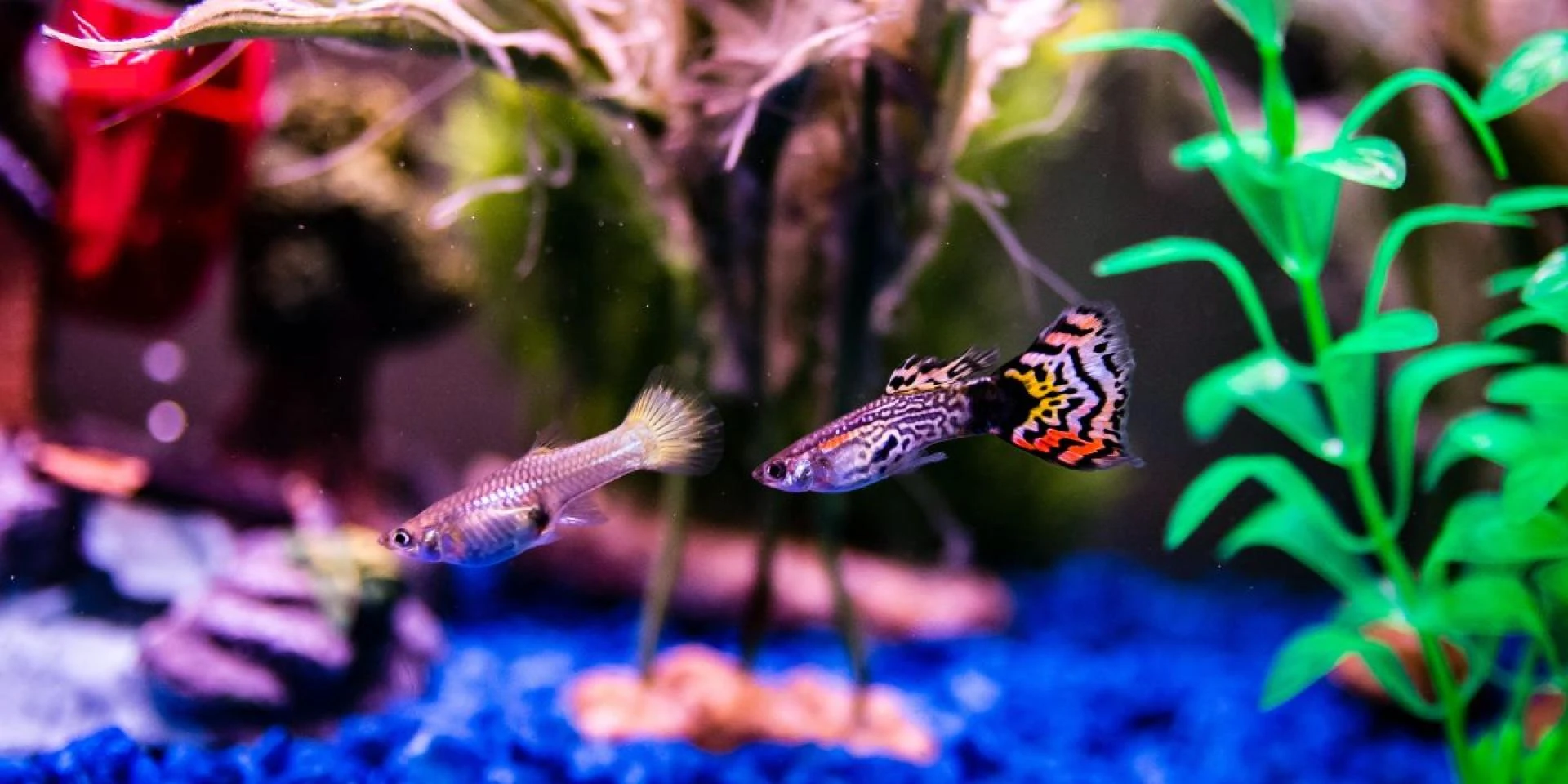
Velvet disease, scientifically known as Oodinium, is a parasitic affliction that can devastate both freshwater and marine fish populations. Caused by dinoflagellate parasites, including Piscinoodinium pillulare in freshwater and Amyloodinium ocellatum in marine settings, this disease presents as a yellowish-gold dust covering the fish's body and gills. If left untreated, velvet disease can lead to severe health issues and high mortality rates. This guest post delves into the effective treatment strategies for managing velvet fish disease, providing essential insights for aquarium enthusiasts and fish caretakers.
Recognizing the Symptoms of Velvet Disease
Early detection is critical in managing velvet disease effectively. Symptoms typically include:
A fine, yellowish or gold dust-like film on the skin, which is easier to observe under a strong light.
Clamped fins, indicating discomfort.
Excessive mucus production as the fish's immune system responds to the irritation.
Scratching against objects due to itching.
Rapid gill movement as the parasite affects the respiratory function.
Lethargy and loss of appetite, which are signs of the disease's progression.
Understanding these symptoms is the first step in tackling the outbreak before it becomes lethal.
Lifecycle of Velvet Parasites
The treatment of velvet disease hinges on understanding the parasite's lifecycle. The dinoflagellate undergoes several stages:
Trophont: The feeding stage, where the parasite burrows into the fish's skin and gills.
Protomont: It detaches and encysts in the water.
Tomont: The cyst divides into several dinospores.
Dinospore: These free-swimming parasites seek new hosts, starting the cycle anew.
Each stage offers a window for intervention but understanding when the parasite is vulnerable is key to effective treatment.
Effective Treatment Methods
Once velvet disease is identified, immediate and aggressive treatment is necessary. Here are proven methods to combat this illness:
Quarantine Affected Fish: To prevent the spread, promptly quarantine infected fish. This also reduces stress on healthy fish, lowering their susceptibility.
Copper-Based Medications: For marine aquariums, copper-based treatments are effective but must be used carefully to avoid toxicity. Always follow the manufacturer's dosing instructions and use a copper test kit to monitor levels.
Freshwater Dips for Marine Fish: Brief freshwater baths can help dislodge the parasites from marine fish. These should last for 2-3 minutes, monitored closely to avoid undue stress.
Increase Water Temperature: Raising the water temperature can accelerate the parasite’s lifecycle, making it reach a treatable stage quicker. However, this needs to be within the tolerance levels of the fish.
Dim Lighting: Since the parasite requires light to thrive, reducing light levels can slow its reproduction.
Medicated Food: If the fish are still eating, medicated food can deliver treatment internally where the parasite affects the gills and digestive tract.
Supporting Recovery
Recovery from velvet disease doesn't just stop at eliminating the parasite. The following steps can help ensure a full recovery:
Improve Water Quality: Regular water changes and meticulous filtration are crucial. Remove organic debris and maintain optimal water parameters to support immune function.
Nutritional Support: High-quality, varied diets enhance the fish's immunity and help in recovery.
Stress Reduction: Minimize handling and maintain a stable environment to reduce stress, which can impede recovery.
Preventing Future Outbreaks
Prevention is always preferable to treatment. Regular monitoring, maintaining excellent water quality, quarantining new fish, and observing strict hygiene can prevent the introduction and spread of velvet disease.
Conclusion
Velvet fish disease is a formidable challenge, but with the right knowledge and tools, it is manageable. Recognizing symptoms early, applying effective treatments, and maintaining a supportive environment are crucial steps in combating this parasitic infection. By staying vigilant and proactive, aquarists can protect their fish from this dangerous disease, ensuring their aquatic pets live long, healthy lives.























Sign in to leave a comment.