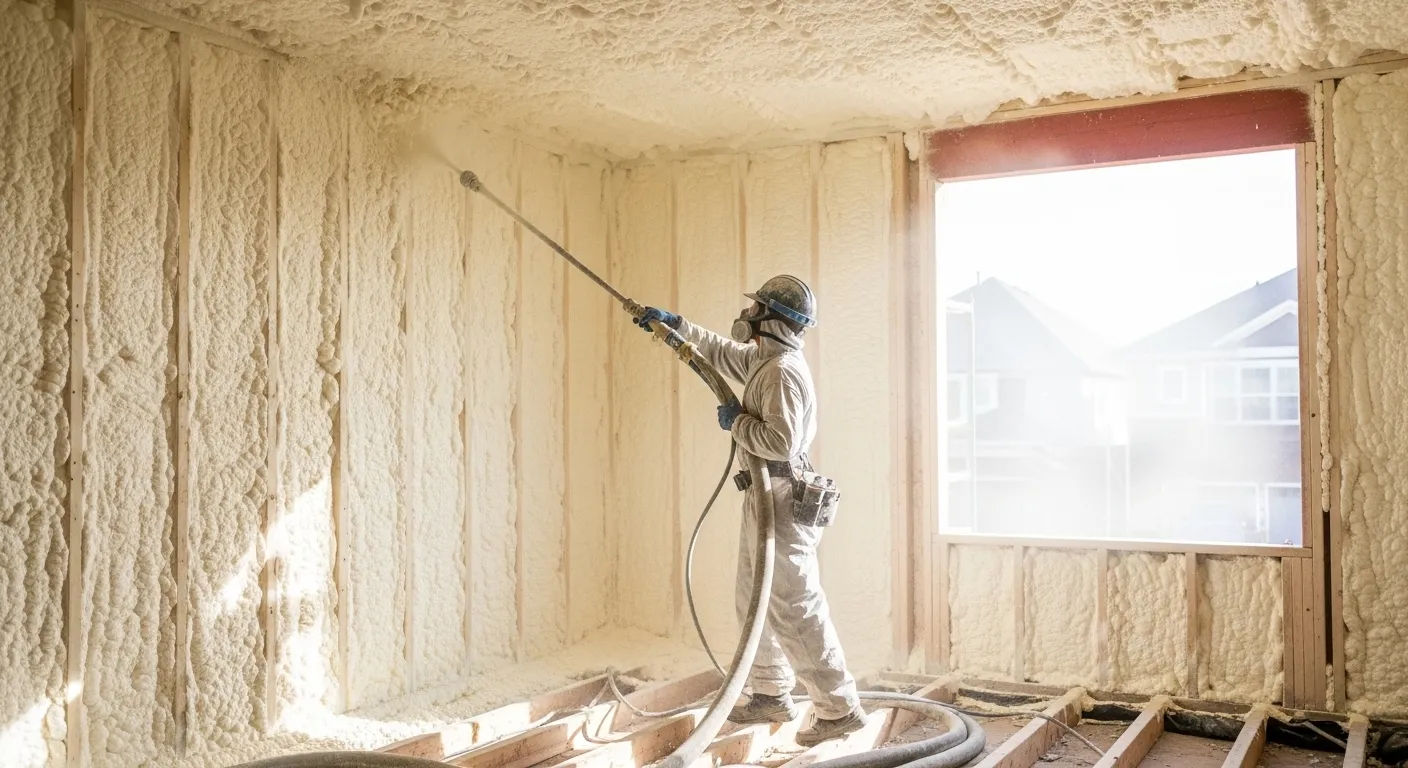

Property owners in Southern Alabama must choose insulation that handles high humidity and intense heat. Closed-cell foam creates a rigid moisture barrier that works well in coastal areas prone to dampness. Open-cell foam provides a cost-effective air seal for residential attics and interior walls where sound control is a priority.
Selecting the right material requires an understanding of how these foams react to the local Gulf Coast climate. This guide explains the technical differences and performance standards required for modern buildings in the region. Prestige Insulation Solutions’ local industry experience ensures that the following data reflects real-world applications and long-term results for homeowners.
Expert knowledge in R-values and material mixing is necessary to achieve a high-quality installation. Experienced contractors understand that Southern Alabama's unique dew points demand a specific approach to the building envelope. This analysis provides the necessary details for making an informed decision about residential or commercial insulation projects.
Regional Climate Demands for Insulation
The climate in Southern Alabama is characterized by long summers and high moisture levels throughout the year. These conditions force air conditioning systems to work harder to maintain indoor comfort. Effective insulation must block both heat transfer and the movement of humid air into the living space.
Thermal Resistance and R-Values
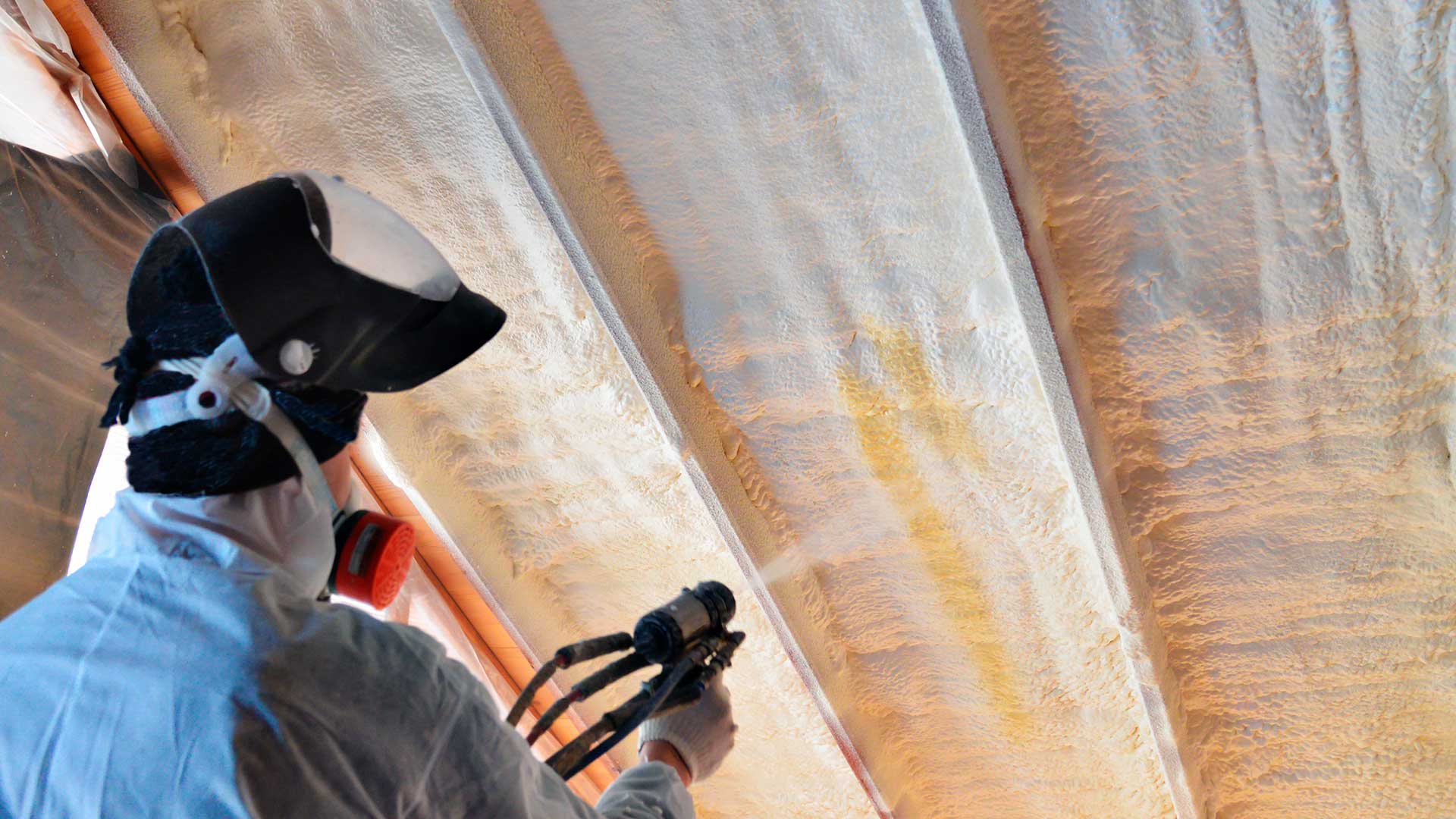
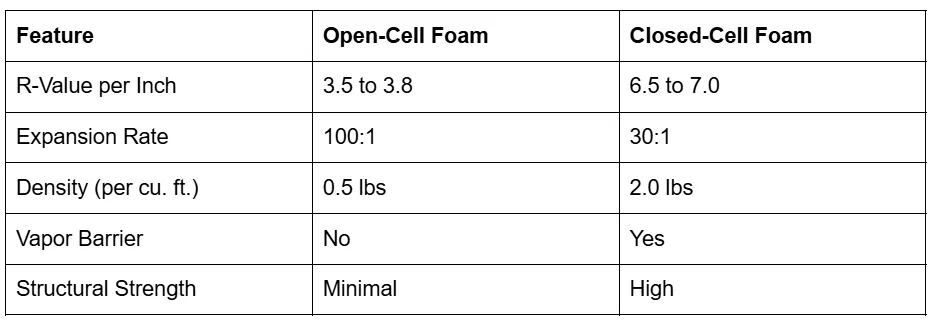
Standard insulation materials often struggle with the extreme temperature swings found in Southern attics. Closed-cell foam offers an R-value of about 6.5 to 7.0 per inch of thickness. This high density allows for maximum thermal protection even when space for insulation is limited.
Open-cell foam typically provides an R-value between 3.5 and 3.8 per inch of material. While lower than its closed-cell counterpart, it is often sufficient for deep wall cavities and large attic spaces. An open-cell spray foam contractor can determine the correct thickness to meet local building codes and energy goals.
Moisture Management and Humidity Control
High humidity levels in cities like Mobile or Dothan can lead to condensation within walls. Closed-cell foam acts as a vapor retarder, preventing moisture from traveling through the insulation. This makes it a preferred choice for crawl spaces and areas exposed to external weather.
Open-cell foam is vapor permeable, meaning it allows moisture to move through the material. This characteristic is helpful for identifying roof leaks quickly because water will drip through instead of being trapped. Specialists often recommend using this type in ventilated attic spaces where moisture breathability is required.
Coastal vs Inland Considerations
Coastal properties face salt air and higher wind speeds during storm seasons. Closed-cell foam adds structural integrity to a building by bonding walls and roof decks together. This creates a more resilient structure that can better withstand the pressure changes associated with heavy winds.
Inland homes may prioritize different factors such as cost and sound reduction. An open-cell spray foam company often suggests open-cell foam for these areas because it is more flexible. The material absorbs sound waves, making the interior of the home quieter during heavy rain or traffic.
Bonus Tip: Attic Sealing
Property owners should ensure their open-cell spray foam experts seal the top plates and wire penetrations. This prevents the stack effect from pulling conditioned air out of the house. Sealing these gaps before applying the main insulation layer maximizes the efficiency of the entire system.
Local Weather Trends
Alabama experiences significant humidity spikes during the spring and fall months. These transitions can cause traditional fiberglass to sag or lose its thermal effectiveness over time. Spray foam remains stable and does not settle, ensuring consistent performance regardless of the season.
Performance Metrics for Southern Homes
Comparing the two types of foam involves looking at density and expansion rates. Closed-cell foam is much denser, weighing about two pounds per cubic foot after it cures. Open-cell foam is much lighter, usually weighing about half a pound per cubic foot.
Application Methods and Material Mix
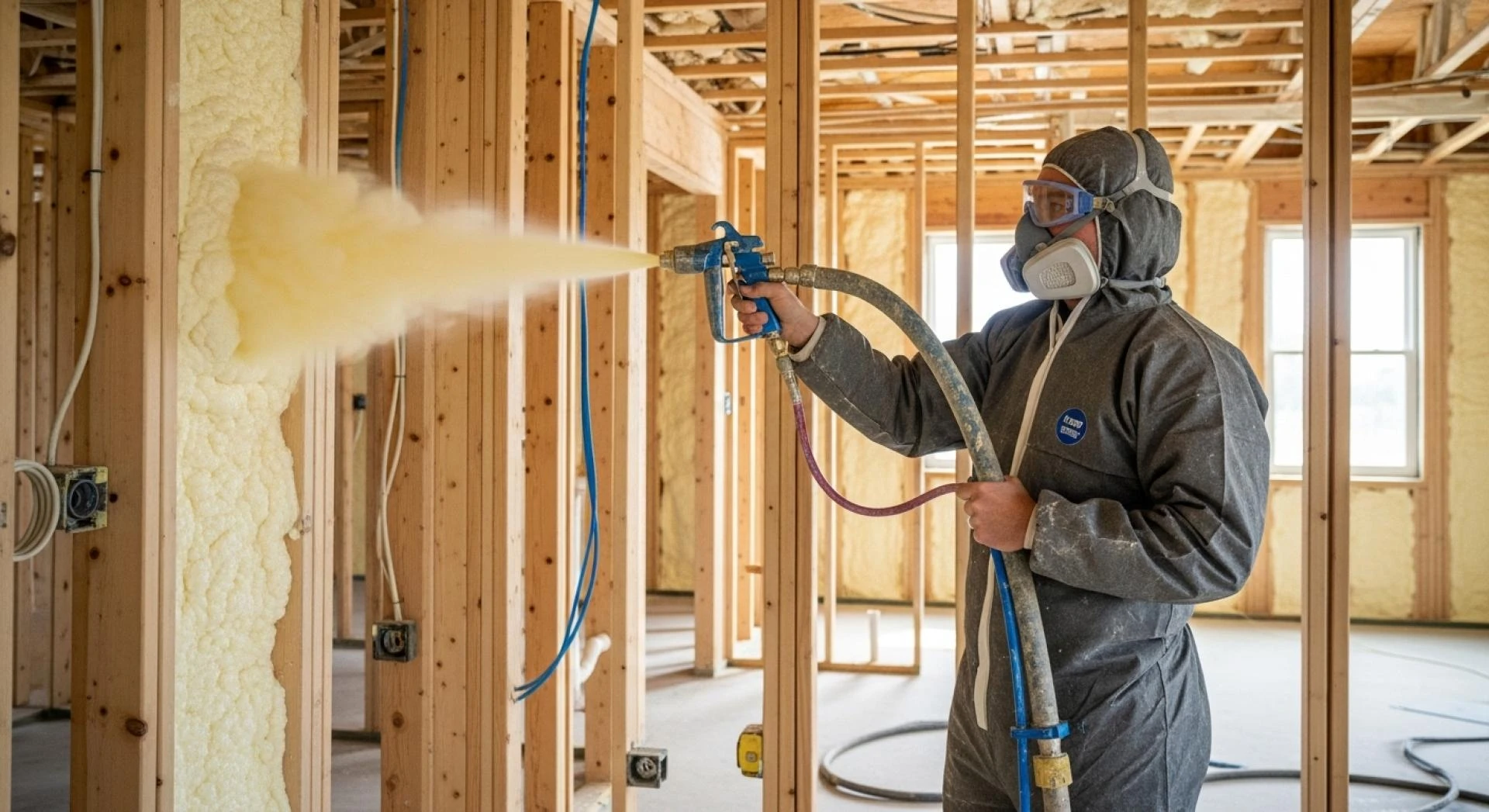
The process of applying spray foam involves managing specific temperature and pressure settings on a rig. Technicians must ensure the two chemical components mix at the exact ratio for the foam to cure properly. Incorrect settings can lead to lingering odors or poor adhesion to the building surface.
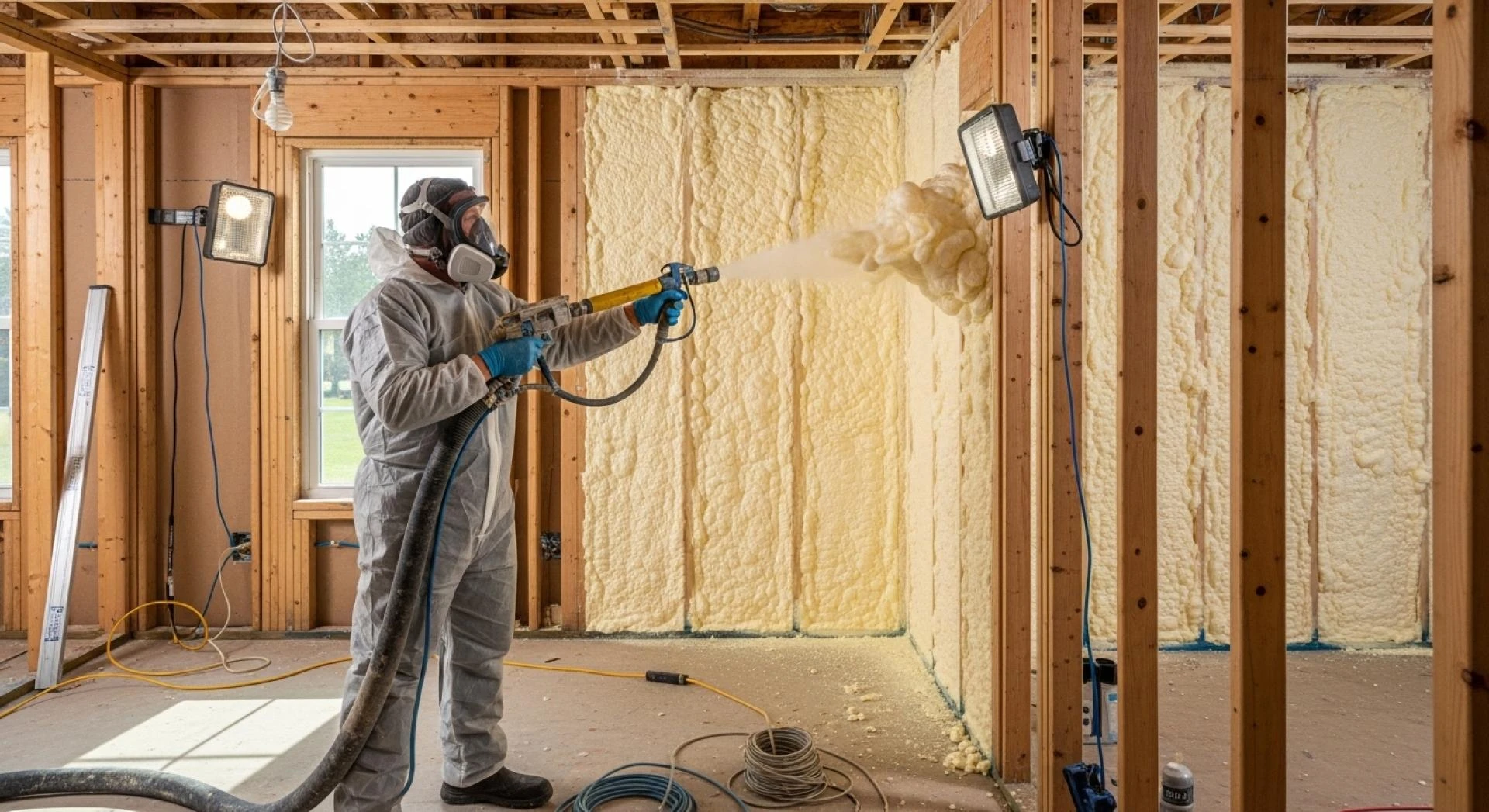
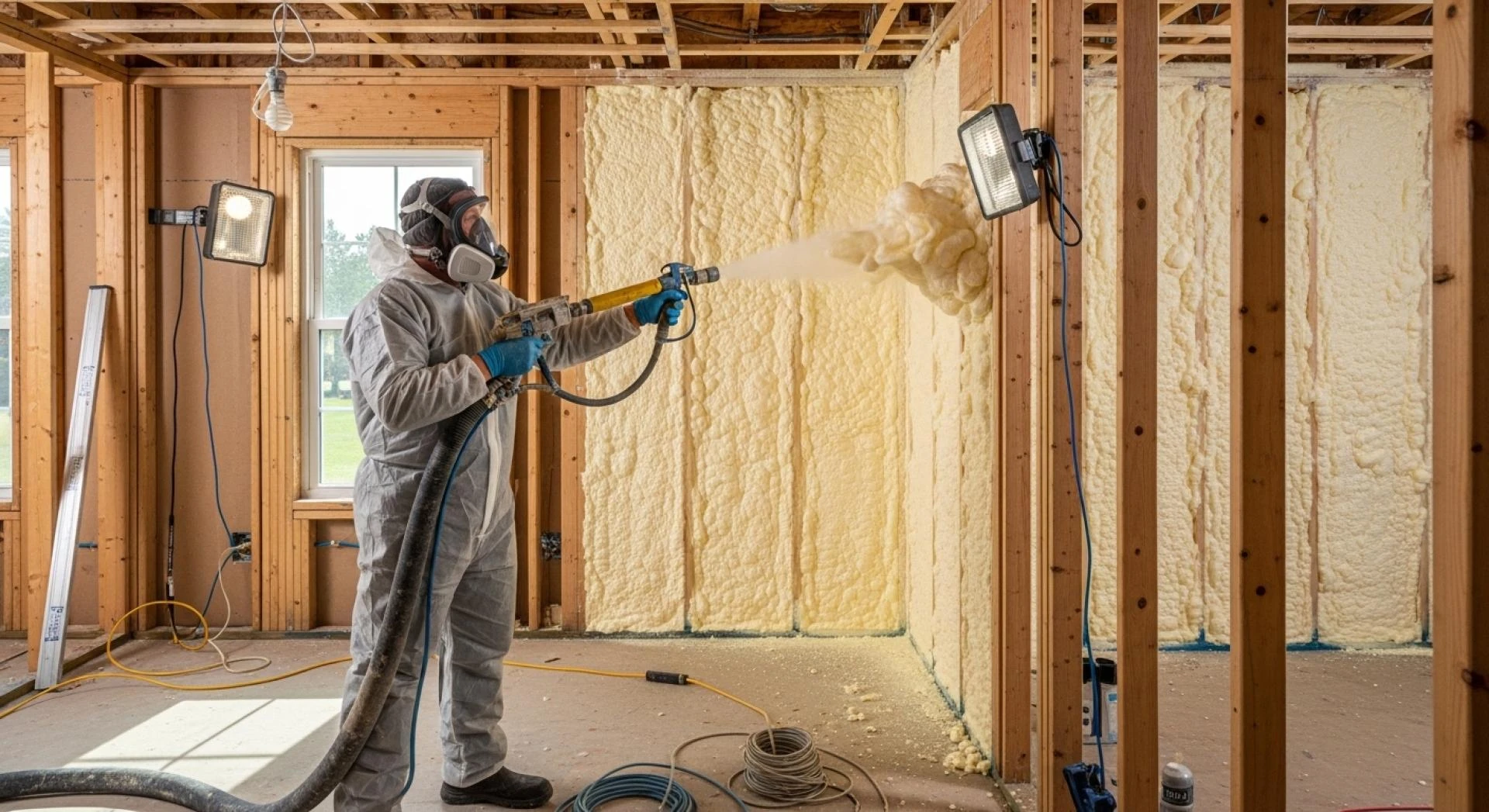
Open-cell foam expands rapidly, filling every crack and crevice in a single pass. This makes it excellent for odd-shaped areas or hard-to-reach corners in old Victorian homes. The expansion ensures that the building envelope is airtight, which is the primary goal of modern open-cell spray foam services.
Long-Term Durability and Maintenance
Both types of spray foam are designed to last for the life of the building. These materials do not provide a food source for pests or mold, which is a major advantage in damp climates. This longevity reduces the need for frequent upgrades or replacements seen with other materials.
Closed-cell foam is particularly durable in flood-prone areas because it does not absorb water. If a crawl space floods, the insulation remains intact and continues to provide thermal protection after the water recedes. This resilience is a significant factor for property owners near the Alabama coast.
Things to Consider Before Making a Decision
- Evaluate the total budget, as closed-cell foam typically costs more than open-cell options.
- Determine if the building requires additional structural reinforcement for wind resistance.
- Check local building codes to see if a vapor barrier is mandatory for your specific wall assembly.
- Consider the depth of the wall studs, as thinner walls may require a higher R-value of closed-cell foam.
- Assess the need for noise reduction between rooms or from outside environments.
Bonus Tip: Material Storage
Proper storage of foam components before installation is necessary for a successful application. Reputable providers keep materials at a controlled temperature to prevent the chemicals from degrading. Asking a provider about their storage and handling practices can indicate their level of professionalism.
Questions People Ask About Spray Foam Performance
Does spray foam insulation cause a smell in the house?
When installed at the correct temperature and with proper ventilation, the foam cures quickly and the odor dissipates. Installers use high-tech rigs to ensure the chemical reaction is complete before residents return to the property. Most smells vanish within twenty-four hours after the application is finished.
Which foam is better for soundproofing in Alabama homes?
Open-cell foam is the superior choice for sound dampening because of its soft and porous structure. It traps sound waves within its cells, preventing noise from traveling through walls. This is ideal for media rooms or homes located near busy highways in urban areas.
Can spray foam be applied to an existing home?
Contractors can apply spray foam to existing homes by removing old insulation from attics or crawl spaces. In some cases, small holes are drilled into wall cavities to inject the foam, though this is more common with specialized slow-rise formulas. It is a highly effective way to upgrade the energy efficiency of an older structure.
Will closed-cell foam trap water and rot my roof?
Closed-cell foam does not trap water, but it can hide the source of a leak if one occurs. Specialists recommend regular roof inspections to ensure the shingles or metal panels remain in good condition. If the roof is maintained, the foam provides a permanent and effective thermal shield for the building.
How long does the installation process usually take?
A standard residential attic can often be completed in a single day by an experienced crew. Larger commercial projects or whole-house applications may take several days, depending on the size and layout. A quality provider will provide a timeline after assessing the specific needs of the project during the initial consultation.
Final Considerations for Property Owners
Deciding between open-cell and closed-cell foam involves balancing cost, moisture needs, and structural goals. Closed-cell foam is the heavy-duty choice for coastal Alabama homes that need moisture protection and strength. Open-cell foam is a versatile and efficient option for standard residential attics and interior comfort.
Property owners should look for providers who demonstrate a deep understanding of R-values and local climate challenges. Consistent results come from managing the technical aspects of the spray foam rig and material mix correctly. Evaluating the specific needs of a structure ensures that the chosen insulation provides value for decades.
Finding Professional Installation Support
Choosing a qualified provider is the most important step in securing a high-quality building envelope. Prestige Insulation Solutions offers expert guidance for those looking to improve their property's energy efficiency. They specialize in various insulation types, including spray foam, cellulose, and fiberglass, for both residential and commercial projects. For more information or to discuss a specific project, they can be reached at (850) 429-4969 or via email at [email protected].
Author: Rene Zamarripa is an experienced spray foam installer and owner who has worked in the insulation industry since 2008.
Reviewer: Benjamin Lee is a spray foam specialist with over 13 years of experience helping businesses and homeowners find effective insulation solutions.



























Sign in to leave a comment.