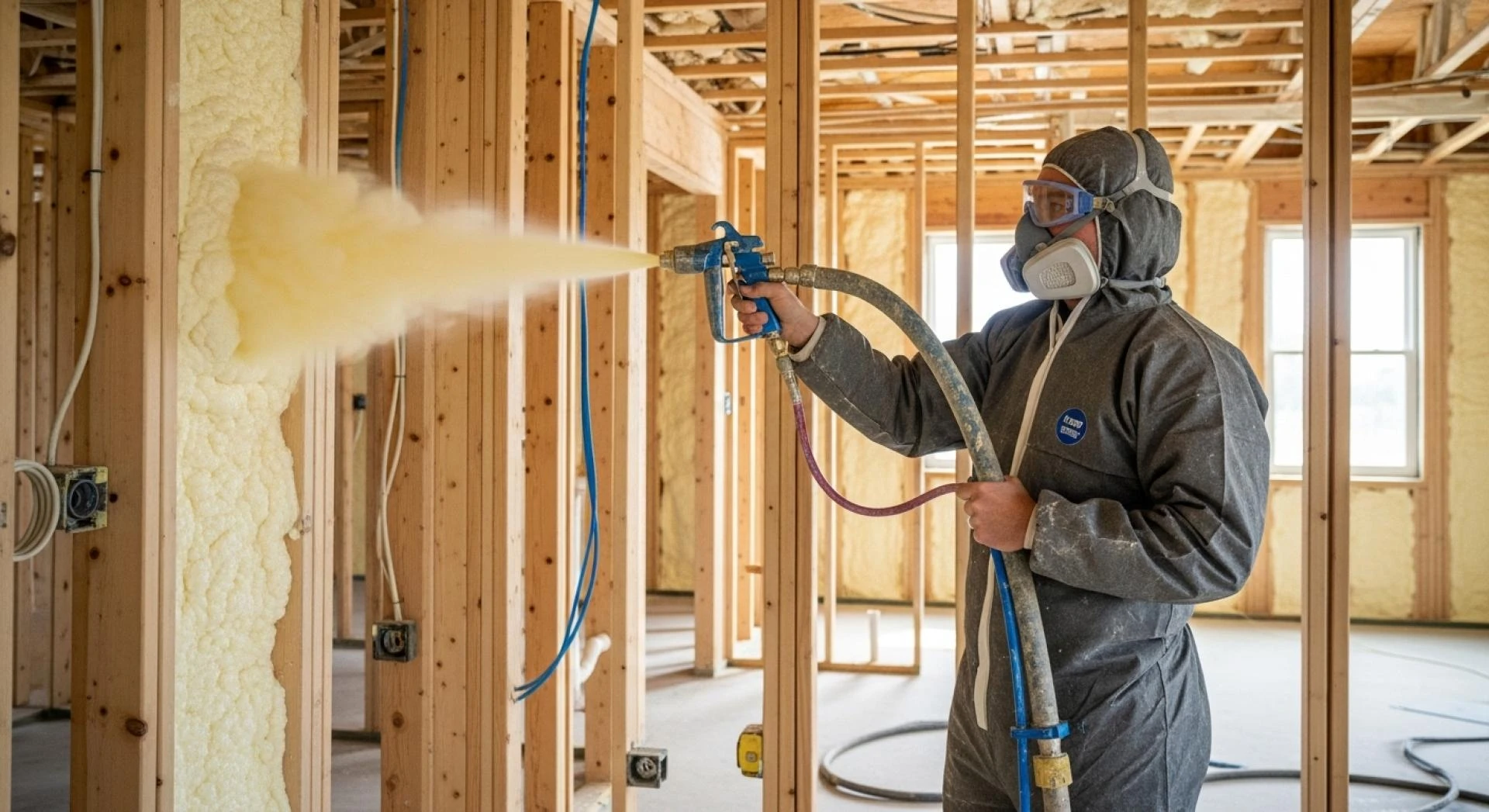

Spray Foam Insulation seals gaps and cracks that allow air to escape or enter buildings. It expands after application and fills small voids in walls, attics, and crawl spaces. This limits hidden air leaks that raise energy use and reduce comfort.
Homeowners and businesses often overlook air leakage. Small gaps around wiring, plumbing, and framing can create steady energy loss. Spray Foam Insulation Experts study these weak points and apply the right depth and density to block airflow.
How Spray Foam Blocks Air Leaks
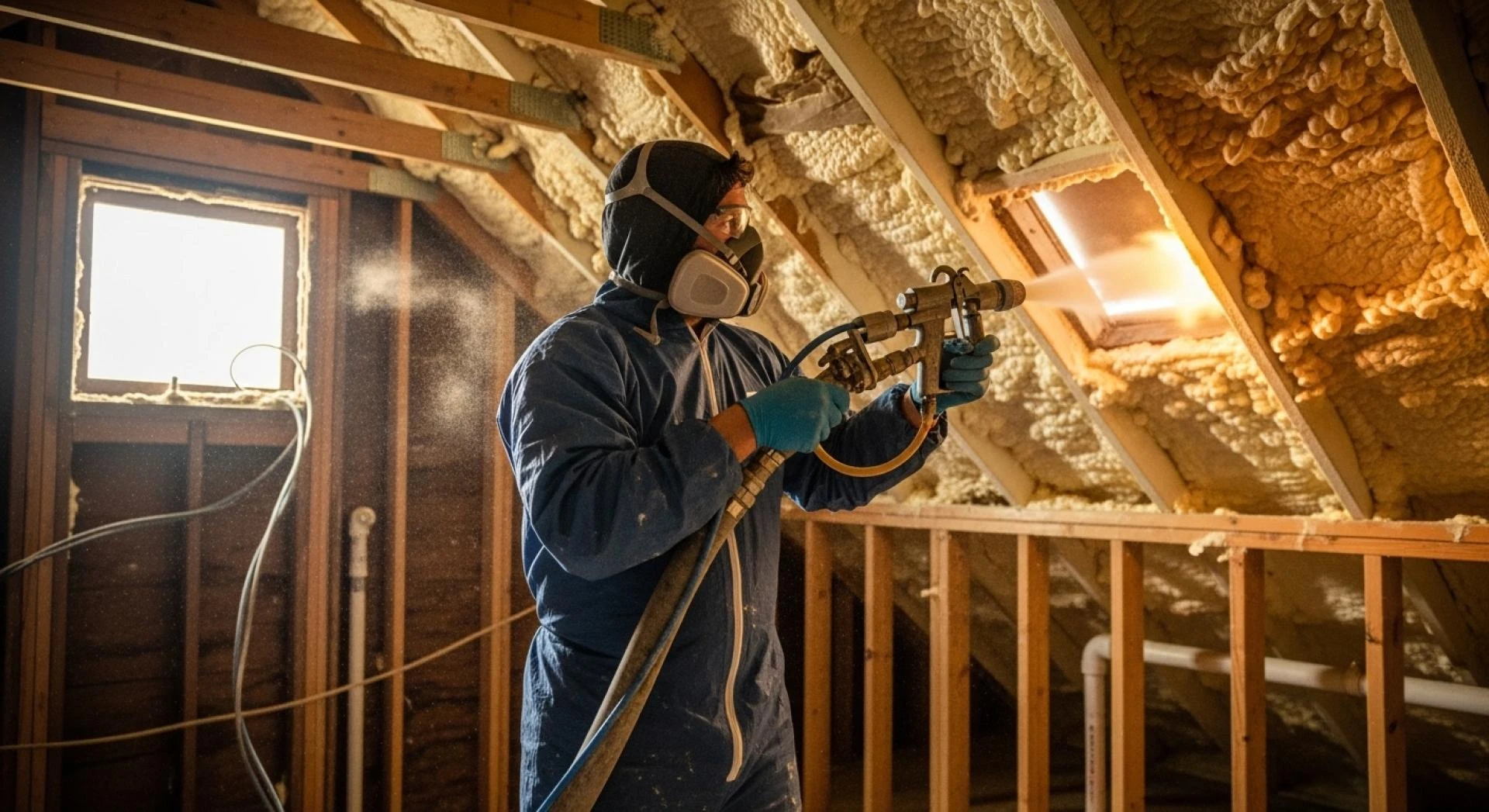
Spray foam expands after spraying. It fills tiny cracks that other insulation materials miss. This expansion creates an airtight seal across surfaces.
It bonds to wood, metal, and concrete. That strong adhesion stops air from passing through joints and seams.
Key Air Leak Areas
Spray foam targets common leakage spots.
- Around windows and doors
- Electrical outlets and wiring holes
- Attic penetrations and roof joints
- Plumbing pipes and duct openings
Sealing these areas reduces drafts and energy loss.

Open Cell vs Closed Cell Performance
| Feature | Open Cell Foam | Closed Cell Foam |
|---|---|---|
| Air Barrier | Good | Excellent |
| Moisture Resistance | Limited | Strong |
| R-Value Per Inch | Lower | Higher |
| Structural Support | Minimal | Adds Strength |
Both types block air. Closed cell foam offers higher density and moisture resistance. The choice depends on building needs and climate.
Why Air Sealing Matters
Uncontrolled air leaks raise heating and cooling costs. Studies show that poor air sealing can increase energy use by 20 percent or more in older homes.
Building performance improves when leaks are sealed properly.
Air sealing also helps with:
- Better indoor temperature control
- Reduced dust and outdoor pollutants
- Lower strain on HVAC systems
Spray Foam Insulation Services focus on creating a continuous air barrier across the building envelope.
Installation Process and Technical Control
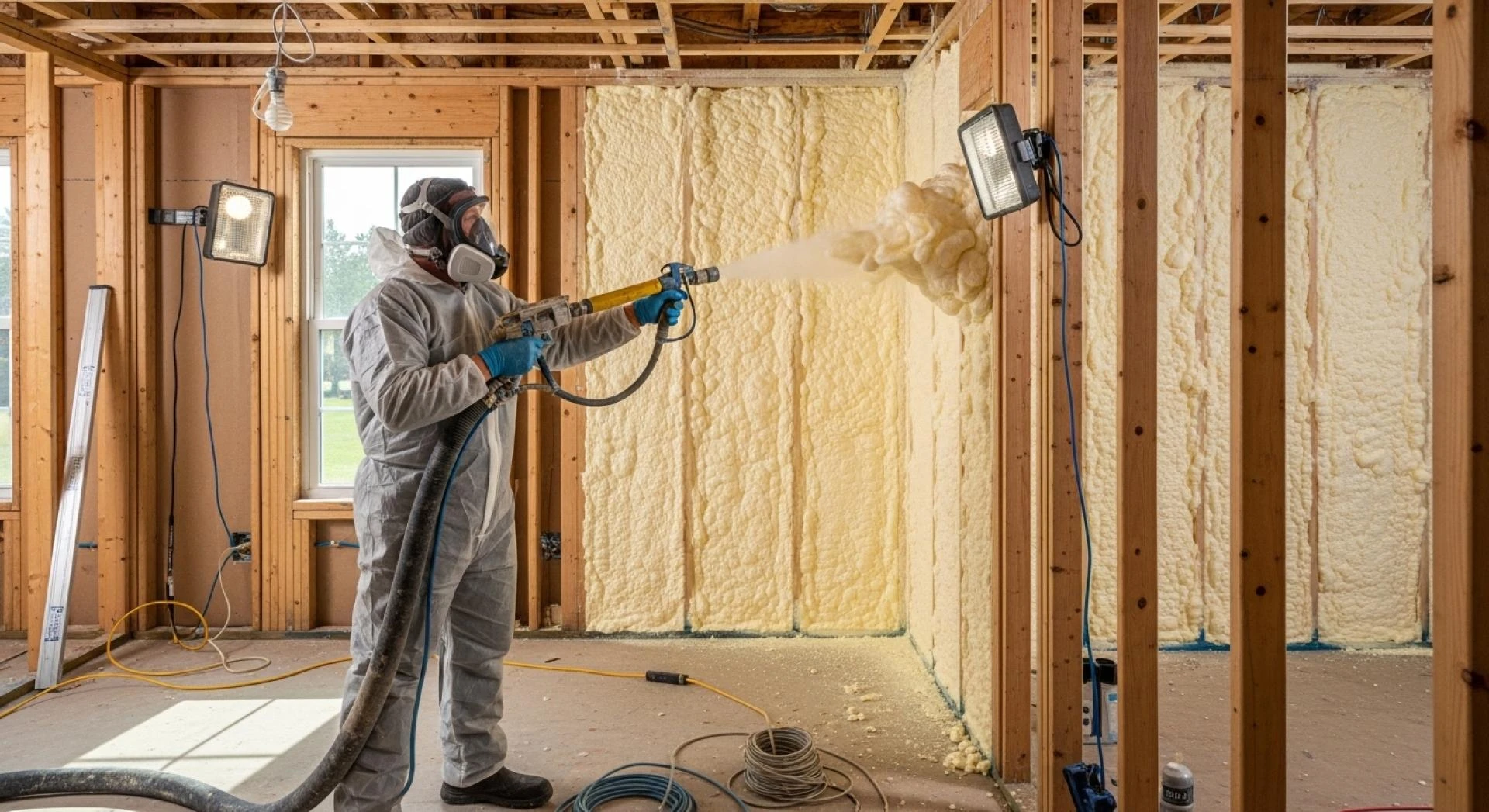
Proper application requires trained operators. Spray foam equipment must maintain steady temperature and pressure.
Technicians monitor:
- Material mix ratio
- Spray thickness
- Surface preparation
- Expansion rate
They adjust settings based on weather and substrate conditions.
Equipment Settings and Impact
| Factor | Correct Setting | Result |
|---|---|---|
| Temperature | Within manufacturer range | Proper foam expansion |
| Pressure | Balanced supply | Even spray pattern |
| Surface Prep | Clean and dry | Strong adhesion |
Spray Foam Insulation Company professionals track these details to avoid voids and weak spots.
Accurate control prevents shrinkage and gaps after curing.
Regional Climate Considerations
Climate affects foam choice.
- Hot climates benefit from high R-value closed cell foam
- Humid areas require moisture-resistant barriers
- Coastal regions need protection against salt air corrosion
Local expertise improves installation quality.
Things to Consider Before Making a Decision
Property owners evaluate several factors before choosing insulation.
- Current energy bills and draft problems
- Building age and wall structure
- Budget for upfront installation cost
- Long term energy savings
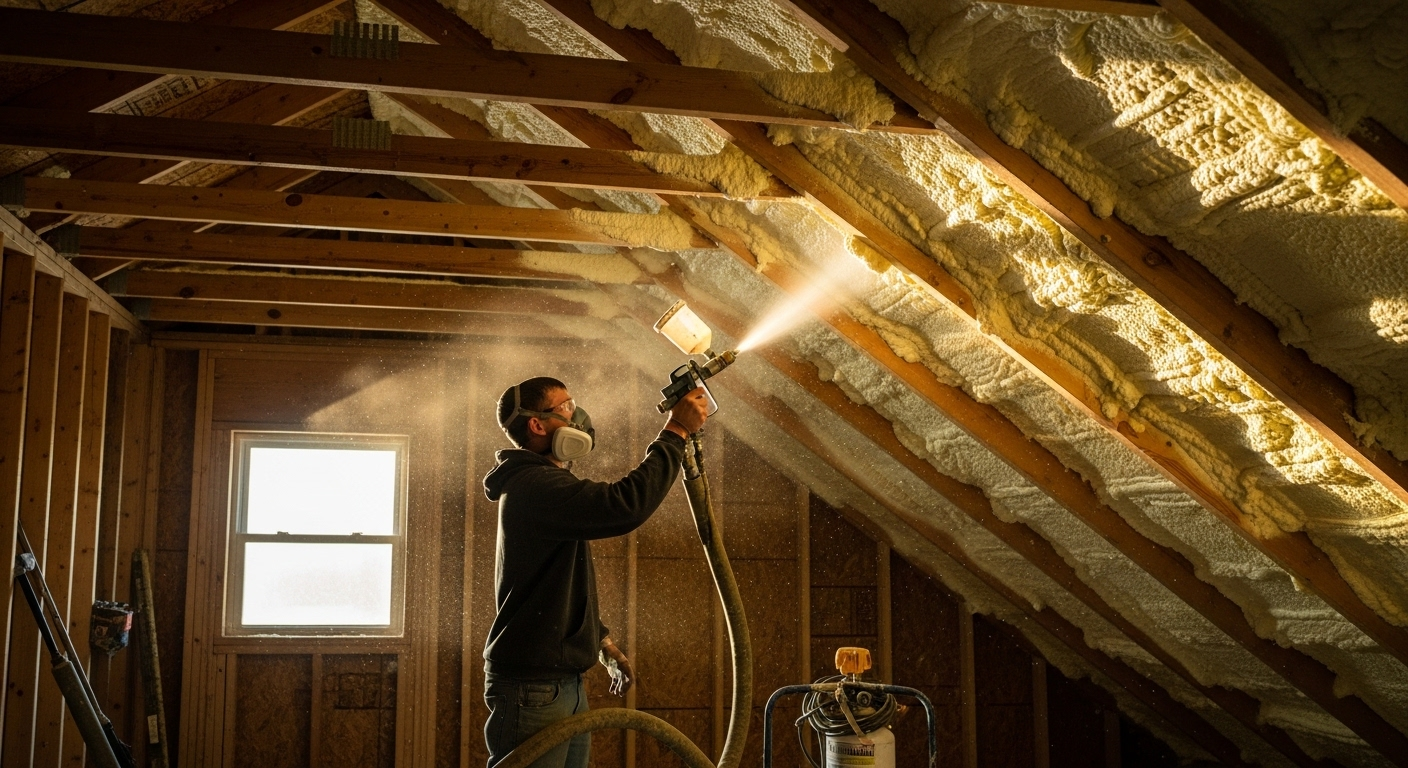
Older homes often need air sealing around framing gaps. New construction benefits from installing foam before drywall goes up.
Bonus Tips
- Test for air leaks with a blower door test before installation
- Seal attic hatches and rim joists first
- Combine spray foam with ventilation systems for balanced airflow
These steps improve performance and prevent moisture buildup.
Performance Comparison With Other Insulation
Spray foam often outperforms traditional materials in air sealing.
| Insulation Type | Air Sealing | Moisture Control | Longevity |
|---|---|---|---|
| Fiberglass | Limited | Low | Moderate |
| Cellulose | Moderate | Moderate | Moderate |
| Spray Foam | Strong | High | Long Term |
Spray Foam Insulation Experts recommend foam when air leakage is a major issue.
Regional Application Insights
In Florida and Gulf Coast regions, humidity affects insulation performance. Moist air can enter walls through small cracks.
Closed cell foam blocks moisture transfer and reduces condensation risks.
Cold regions face heat loss through attic spaces. Thick foam layers reduce warm air escape and improve efficiency.
Questions People Ask About
How long does spray foam last
Spray foam can last decades when installed correctly. It does not settle or compress like loose fill insulation.
Does spray foam stop all air leaks
It significantly reduces air leakage. Proper installation is needed to seal every gap.
Is spray foam safe for indoor air quality
When cured correctly, it becomes stable and safe. Professional installers follow safety guidelines during application.
How much energy can spray foam save
Savings vary by building. Many property owners see noticeable reductions in heating and cooling costs after sealing leaks.
Can spray foam improve property value
Energy efficiency improvements often increase market appeal. Buyers prefer buildings with documented insulation upgrades.
Conclusion
Spray Foam Insulation blocks hidden air leaks by creating a continuous barrier across walls, attics, and crawl spaces. It expands into gaps and bonds to building materials to stop unwanted airflow.
Proper installation improves comfort and reduces energy waste. Property owners should assess their structure, climate, and budget before choosing a solution.
Careful evaluation leads to better results over time.
Get Professional Support
Prestige Insulation Solutions provides guidance on air sealing and insulation upgrades. Their experience since 2008 helps property owners choose the right approach for their structure.
They offer clear consultations and hands-on assessments.
Contact them for details:
Email [email protected] Phone (850) 429-4969
They review building needs and explain suitable options for efficient air sealing.
Author: Rene Zamarripa is a spray foam installer and business owner with 17 years of industry experience. He specializes in insulation systems and hands-on project management.
Reviewer: Benjamin Lee has over 13 years of experience in spray foam insulation and reviewed this content to improve accuracy and practical relevance.



























Sign in to leave a comment.