
Anemia during pregnancy is a common condition affecting millions of women worldwide. It occurs when there's a deficiency of red blood cells or hemoglobin, the protein responsible for carrying oxygen throughout the body. This deficiency can lead to fatigue, weakness, and other complications for both mother and baby.
This blog delves into anemia during pregnancy, exploring its causes, symptoms, and potential consequences. We also provide valuable tips for boosting iron levels and ensuring a healthy pregnancy and baby through dietary changes, lifestyle modifications, and anemia during pregnancy treatment options.
Understanding Anemia During Pregnancy
Anemia during pregnancy occurs when a woman's body doesn't produce enough red blood cells or hemoglobin to meet the increased demands of pregnancy. This can be due to several factors:
Iron deficiency: Iron is essential for the production of hemoglobin. During pregnancy, the body requires more iron to support both the mother's blood supply and the developing baby's blood.Folic acid deficiency: Folic acid is another essential nutrient for red blood cell production.Blood loss: Excessive blood loss during pregnancy, such as from heavy bleeding or multiple births, can contribute to anemia.Certain medical conditions: Chronic diseases like kidney disease or autoimmune disorders can also lead to anemia.Symptoms of Anemia During Pregnancy
Common symptoms of anemia during pregnancy include:
Fatigue and weaknessPale skinShortness of breathDizziness or lightheadednessRapid heartbeatChest painBrittle nails and hairCold hands and feetDifficulty concentratingPotential Consequences of Anemia During Pregnancy:
Anemia during pregnancy can pose risks to both the mother and baby:
For the mother: Increased risk of infections, postpartum depression, and premature birth.For the baby: Low birth weight, developmental delays, and an increased risk of infant mortality.Boosting Iron Levels and Ensuring a Healthy Pregnancy:
Fortunately, there are several steps you can take to manage anemia during pregnancy and ensure a healthy baby:
Diet: Include iron-rich foods in your diet:Red meat, poultry, and fishBeans and lentilsDark leafy green vegetablesIron-fortified cereals and breadsDried fruits and nutsVitamin C: Vitamin C helps the body absorb iron more effectively. Include fruits and vegetables rich in vitamin C like oranges, strawberries, bell peppers, and broccoli in your diet.Iron Supplements: If dietary changes alone are insufficient, your doctor may recommend iron supplements to boost your iron levels.Folic Acid Supplementation: Folic acid is crucial for preventing anemia and birth defects. Most prenatal vitamins contain folic acid.Lifestyle Modifications:
Rest: Get adequate sleep and rest to help your body produce more red blood cells.Stay Hydrated: Drinking plenty of water helps transport iron throughout the body and prevents dehydration, which can worsen fatigue.Space Out Iron-Rich Foods and Calcium Sources: Calcium can interfere with iron absorption. Avoid consuming calcium-rich foods like dairy products and antacids at the same time as iron-rich foods.Anemia During Pregnancy Treatment
If dietary changes and iron supplements are not sufficient to address your anemia, your doctor may recommend additional treatment options:
Intravenous Iron Therapy: In severe cases, intravenous iron therapy may be necessary to quickly replenish iron levels.Treating Underlying Conditions: If anemia is caused by an underlying medical condition, treating that condition is crucial for managing the anemia.Additional Tips:
Cooking with Iron Cast Skillets: Cooking with iron cast skillets can increase iron absorption from food.Eating Iron-Rich Foods with Vitamin C Sources: Combine iron-rich foods with foods rich in vitamin C to enhance iron absorption.Monitoring Iron Levels Regularly: Your doctor will monitor your iron levels throughout your pregnancy to ensure adequate levels for both you and your baby.Conclusion
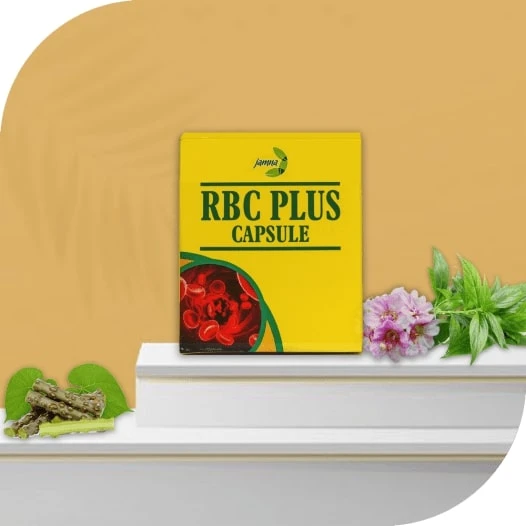
Anemia during pregnancy is a common but manageable condition. By incorporating dietary changes, lifestyle modifications, and anemia during pregnancy treatment options, you can effectively manage your iron levels and ensure a healthy pregnancy and baby. Remember to consult your doctor regularly for personalized guidance and monitoring of your iron levels and overall health throughout your pregnancy. Ayurveda offers a range of fantastic products for anemia during pregnancy, including the RBC Plus capsule.
By taking proactive steps to address anemia, you can empower yourself to experience a healthy and fulfilling pregnancy journey.




























Sign in to leave a comment.