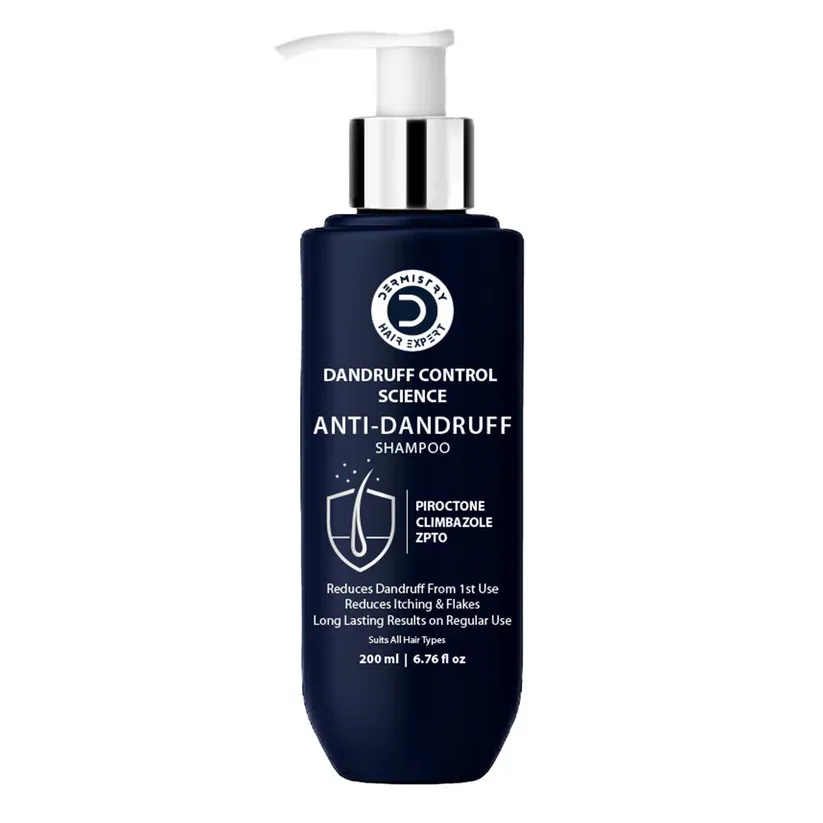

If you're dealing with an itchy, flaky scalp, you're not alone. Dandruff affects a huge share of adults at some point in their lives, and it has nothing to do with poor hygiene. The right anti dandruff shampoo can calm the itching, clear the flakes, and restore a healthier scalp, often within a few weeks.
This guide breaks down what causes dandruff, how these shampoos actually work, and how to build a simple routine that gets real results. No fluff, no exaggerated claims — just practical, honest information you can use tonight in the shower.
What Causes Dandruff, Really?
Dandruff isn't just "dry skin." It's usually driven by a mix of natural oil, a common yeast that lives on everyone's scalp, and how quickly your skin cells turn over.
Understanding the root cause matters because it changes how you treat it. A shampoo that works for an oily scalp may do very little for someone whose flakes come from dryness.
Malassezia Yeast and Oil Production
A yeast called Malassezia lives on almost every scalp, and normally it causes no trouble at all. Problems start when it feeds on excess oil and multiplies faster than usual.
This overgrowth irritates the skin, speeds up cell turnover, and causes dead skin cells to clump together as visible flakes. That's why oily scalps are more prone to dandruff than people realize.
Dandruff vs Dry Scalp vs Seborrheic Dermatitis
These three conditions get confused constantly, but they're not the same thing.
- Dandruff – oily, yellowish flakes, often with itching, linked to yeast overgrowth
- Dry scalp – small, dry, white flakes caused by lack of moisture, usually with less itching
- Seborrheic dermatitis – a more intense form of dandruff with redness, thicker scales, and inflammation, sometimes needing a dermatologist's help
Telling these apart helps you pick the right shampoo instead of guessing.
How Anti Dandruff Shampoo Works
Anti dandruff shampoo isn't just a regular shampoo with a different label. It contains active ingredients specifically chosen to slow yeast growth, reduce oil, or calm inflammation.
Key Active Ingredients Explained
Different active ingredients target different causes, which is why comparing labels actually matters.
| Ingredient | What It Does | Best For |
| Zinc Pyrithione | Reduces yeast and mild irritation | Everyday, mild dandruff |
| Ketoconazole | Antifungal, targets Malassezia directly | Moderate to stubborn dandruff |
| Selenium Sulfide | Slows skin cell turnover and controls oil | Oily, flaky scalps |
| Salicylic Acid | Loosens and lifts flakes and buildup | Thick, scaly patches |
| Coal Tar | Slows excessive skin cell production | Chronic, scaly conditions |
The Science Behind Scalp Renewal
A healthy scalp sheds skin cells gradually, so you never notice it. Dandruff speeds this cycle up, and cells shed in visible clumps instead.
Active ingredients in anti dandruff shampoo interrupt this cycle. Some slow down cell turnover, while others reduce the yeast population that triggers it in the first place. Used consistently, this calms the scalp and reduces flaking over time.
Who Should Use Anti Dandruff Shampoo (and Who Shouldn't)
Not everyone needs a medicated shampoo, and using one unnecessarily can sometimes do more harm than good.
Best For These Scalp Types
Anti dandruff shampoo tends to work well for people who notice:
- Visible white or yellow flakes on the scalp or shoulders
- Persistent itching, especially after a day or two without washing
- An oily scalp that flakes more in humid or stressful periods
- Mild redness without open sores or severe pain
If this sounds familiar, a medicated shampoo used two to three times a week is usually a sensible starting point.
When to See a Dermatologist Instead
Some situations call for professional advice rather than a shampoo swap.
- Scalp that's cracked, bleeding, or oozing
- Flaking that doesn't improve after 4–6 weeks of consistent use
- Signs of an allergic reaction, such as swelling or severe redness
- Dandruff-like symptoms that spread to the face or ears
A dermatologist can rule out conditions like psoriasis or severe seborrheic dermatitis, which sometimes look like dandruff but need different treatment entirely.
How to Choose and Use the Right Anti Dandruff Shampoo
Picking a shampoo isn't only about the brand on the shelf. It's about matching the active ingredient to your scalp type and being realistic about how often to use it.
How Often You Should Use It
Most dermatologists suggest using medicated shampoo two to three times a week, not daily. Overuse can dry out the scalp and, ironically, trigger more flaking.
For milder cases, alternating between a medicated shampoo and a gentle regular one often keeps the scalp balanced without over-stripping natural oils.
Myth vs Fact
| Myth | Fact |
| Dandruff means you don't wash your hair enough | It's linked to yeast and oil, not dirt |
| Anti dandruff shampoo should be used daily | Most work best 2–3 times a week |
| Only oily scalps get dandruff | Dry scalps can flake too, though the cause differs |
| Dandruff is contagious | It is not contagious at all |
| Cutting hair short cures dandruff | Hair length has no real effect on the scalp condition |
Benefits of Using Anti Dandruff Shampoo
When used correctly, a good anti dandruff shampoo offers more than flake control.
- Reduces visible flaking within a few washes
- Calms itching and scalp irritation
- Controls excess oil buildup at the roots
- Supports a more balanced scalp microbiome
- May reduce hair fall linked to scalp inflammation
- Helps prevent flare-ups from returning quickly
Brands like Dermistry formulate their scalp care products around these same principles, pairing active ingredients with gentle, non-stripping bases so the scalp doesn't swing from oily to overly dry.
Common Mistakes People Make
Even a good shampoo won't work well if it's used the wrong way.
- Rinsing too quickly. Most active ingredients need a few minutes of contact time on the scalp to work.
- Using it daily. This can dry out the scalp and worsen flaking long term.
- Applying only to hair, not the scalp. Dandruff starts at the scalp, so that's where the shampoo needs to focus.
- Switching shampoos too soon. Give a product 3–4 weeks before deciding it isn't working.
- Skipping conditioner entirely. A lightweight, scalp-friendly conditioner on the lengths helps prevent dryness from medicated washes.
- Ignoring diet and stress. Both can worsen oil production and flare-ups, even with the right shampoo.
Expert Tips for Faster, Longer-Lasting Results
- Massage the shampoo into the scalp with fingertips, never nails, to avoid microtears.
- Leave it on for three to five minutes before rinsing, so the active ingredient has time to work.
- Alternate between two different active ingredients (like zinc pyrithione and ketoconazole) if one alone plateaus.
- Avoid very hot water, which strips natural oils and can worsen irritation.
- Keep a simple weekly routine instead of switching products constantly.
- Pat the scalp dry rather than rubbing vigorously with a towel.
Step-by-Step Guide to Using Anti Dandruff Shampoo
- Wet hair thoroughly with lukewarm water.
- Apply a coin-sized amount of shampoo directly to the scalp, not just the hair.
- Massage gently in circular motions for one to two minutes.
- Let it sit on the scalp for three to five minutes.
- Rinse thoroughly, making sure no residue is left behind.
- Follow with a lightweight conditioner on the mid-lengths and ends only.
- Repeat two to three times a week, adjusting based on how your scalp responds.
A Simple Weekly Routine
- Day 1: Medicated anti dandruff shampoo
- Day 3: Gentle regular shampoo
- Day 5: Medicated anti dandruff shampoo
- Day 7: Rest day or light rinse with water only
Maintenance and Storage Tips
Store shampoo bottles at room temperature, away from direct sunlight, which can break down active ingredients over time. Keep the cap tightly closed to prevent the formula from drying out, and always check the expiry date, since some antifungal ingredients lose potency after opening for too long.
Frequently Asked Questions
1. What is the fastest way to get rid of dandruff? Consistent use of an anti dandruff shampoo with the right active ingredient, combined with proper scalp massage and rinse time, usually shows visible improvement within two to four weeks.
2. Can anti dandruff shampoo be used every day? It's generally not recommended. Using it two to three times a week is usually enough, since daily use can dry out the scalp.
3. Does dandruff cause hair loss? Dandruff itself doesn't directly cause hair loss, but the inflammation and scratching that come with it can weaken hair over time.
4. Is dandruff the same as a dry scalp? No. Dandruff is usually linked to oil and yeast overgrowth, while dry scalp comes from a lack of moisture. They can look similar but need different care.
5. Can stress make dandruff worse? Yes. Stress can increase oil production and weaken the skin's natural barrier, which often makes dandruff flare up.
6. Is anti dandruff shampoo safe for color-treated hair? Many formulas are safe, but it's worth checking the label, since some ingredients can affect color longevity slightly.
7. How long before I see results? Most people notice reduced flaking and itching within two to four weeks of consistent use.
8. Can children use anti dandruff shampoo? Mild dandruff in children is common, but it's best to consult a pediatrician or dermatologist before using medicated shampoo on kids.
9. Why does my dandruff come back after it clears up? Dandruff is a manageable condition, not a one-time cure. Regular maintenance use, even after flakes clear, helps prevent recurrence.
10. Should I switch shampoos if one stops working? Yes, alternating between two different active ingredients every few months can help prevent the scalp from adapting to one formula.
Conclusion
Dandruff can feel like an endless cycle, but it's genuinely manageable once you understand what's driving it. Choosing an anti-dandruff shampoo with the right active ingredient, using it consistently, and giving your scalp time to respond makes a real difference.
Small, steady habits — the right wash frequency, proper contact time, and a bit of patience — tend to outperform constantly switching products in search of a quick fix.



























Sign in to leave a comment.