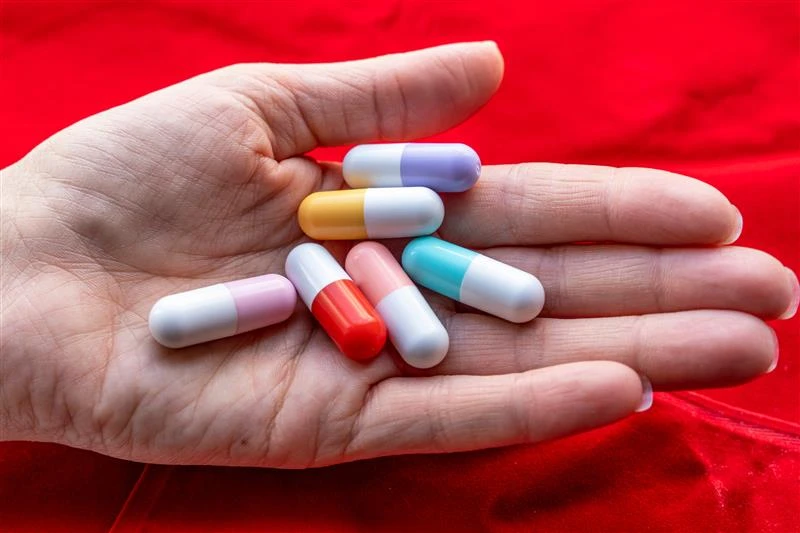

Antibiotics are among the most important medical discoveries of modern times. They have saved millions of lives by treating infections that were once fatal. However, despite their proven value, antibiotics are often misunderstood and misused. Many people still believe they are a cure-all for infections, which has contributed to a growing global health concern known as antibiotic resistance.
This antibiotics guide explains what antibiotics are, when they are truly effective, when they should not be used, and why responsible antibiotic use is more important now than ever. Understanding these basics helps protect individual health and ensures that antibiotics remain effective for future generations.
What Are Antibiotics and How Do They Work?
Antibiotics are medications designed to kill or inhibit the growth of bacteria. They work in different ways, depending on the type of antibiotic. Some destroy bacterial cell walls, others block protein production, and some interfere with bacterial DNA replication.
It is important to note that antibiotics work only against bacterial infections. They do not treat viruses, fungi, or parasites. This distinction is critical and often misunderstood.
Common bacterial infections that antibiotics may treat include:
- Strep throat
- Urinary tract infections
- Certain skin infections
- Bacterial pneumonia
- Some sexually transmitted infections
Understanding this difference is the foundation of responsible antibiotic use.
When Antibiotics Help
Antibiotics are highly effective when used correctly and for the right conditions. Doctors prescribe them after evaluating symptoms, test results, and medical history to confirm a bacterial cause.
Situations Where Antibiotics Are Appropriate
- Confirmed bacterial infections
- Infections that are unlikely to resolve on their own
- Infections that could spread or worsen without treatment
- High-risk patients with weakened immune systems
When taken exactly as prescribed, antibiotics can shorten illness duration, prevent complications, and reduce the spread of infection.
When Antibiotics Do Not Help
One of the most common misconceptions is that antibiotics are useful for colds, flu, or other viral illnesses. In reality, antibiotics have no effect on viruses.
Common Infections Where Antibiotics Do Not Work
- Common cold
- Influenza
- Most sore throats
- Viral sinus infections
- Bronchitis caused by viruses
Using antibiotics in these situations does not speed up recovery. Instead, it increases the risk of side effects and contributes to antibiotic resistance.
Understanding Common Infections and Their Causes
Many illnesses share similar symptoms, which makes it difficult for patients to know whether antibiotics are necessary. Fever, cough, fatigue, and body aches can occur in both viral and bacterial infections.
Healthcare providers rely on clinical exams, lab tests, and sometimes imaging to determine the cause. This is why self-diagnosing and demanding antibiotics can be harmful.
Recognizing the difference between viral and bacterial common infections is a key step toward safer healthcare decisions.
What Is Antibiotic Resistance?
Antibiotic resistance occurs when bacteria change in ways that reduce or eliminate the effectiveness of antibiotics. Over time, these resistant bacteria survive, multiply, and spread.
This means infections become harder to treat, require stronger medications, or last longer than they should.
Antibiotic resistance is now considered one of the most serious public health threats worldwide.
Why Antibiotic Resistance Is Rising
Several factors have contributed to the rise of antibiotic resistance:
1. Overuse of Antibiotics
Prescribing antibiotics when they are not needed accelerates resistance.
2. Improper Use
Not finishing a prescribed course allows some bacteria to survive and adapt.
3. Self-Medication
Using leftover antibiotics or sharing them with others is dangerous and ineffective.
4. Use in Agriculture
Antibiotics used in livestock can contribute to resistant bacteria entering the food chain.
5. Lack of Awareness
Many people still believe antibiotics are harmless or universally beneficial.
Together, these factors have made antibiotic resistance a growing global challenge.
The Risks of Misusing Antibiotics
Misuse of antibiotics does not only affect society; it also affects individual health.
Potential risks include:
- Allergic reactions
- Digestive issues
- Disruption of healthy gut bacteria
- Increased risk of future resistant infections
Once resistant bacteria develop, treatment options become more limited and expensive.
What Responsible Antibiotic Use Looks Like
Practicing responsible antibiotic use helps protect both personal and public health.
Best Practices Include
- Taking antibiotics only when prescribed by a qualified professional
- Following dosage instructions exactly
- Completing the full course of treatment
- Never sharing antibiotics
- Avoiding leftover medication use
- Asking questions if unsure why an antibiotic is prescribed
These simple steps play a major role in slowing antibiotic resistance.
The Role of Patients in Preventing Resistance
Patients are an essential part of the solution. Informed decisions, honest communication with healthcare providers, and patience during viral illnesses help reduce unnecessary antibiotic use.
Preventive measures also matter, such as:
- Regular handwashing
- Staying up to date with vaccinations
- Practicing food safety
- Managing chronic conditions effectively
Reducing infection rates reduces the need for antibiotics in the first place.
The Future of Antibiotics
Scientists continue to research new antibiotics, but development is slow and costly. Bacteria, however, adapt quickly. This imbalance makes preservation of existing antibiotics critical.
Education, policy changes, and public awareness are essential to protecting these life-saving medicines. Antibiotics should be viewed as a shared resource that must be used wisely.
Key Takeaways
- Antibiotics treat bacterial infections, not viral ones
- Misuse contributes to antibiotic resistance
- Resistance makes infections harder to treat
- Responsible antibiotic use protects future effectiveness
- Patients play a vital role in prevention
Understanding these principles empowers individuals to make better healthcare choices. If you want access to reliable healthcare information and essential medicines from trusted sources, visit Medicine Mart to learn more and make informed decisions about your health.


























Sign in to leave a comment.