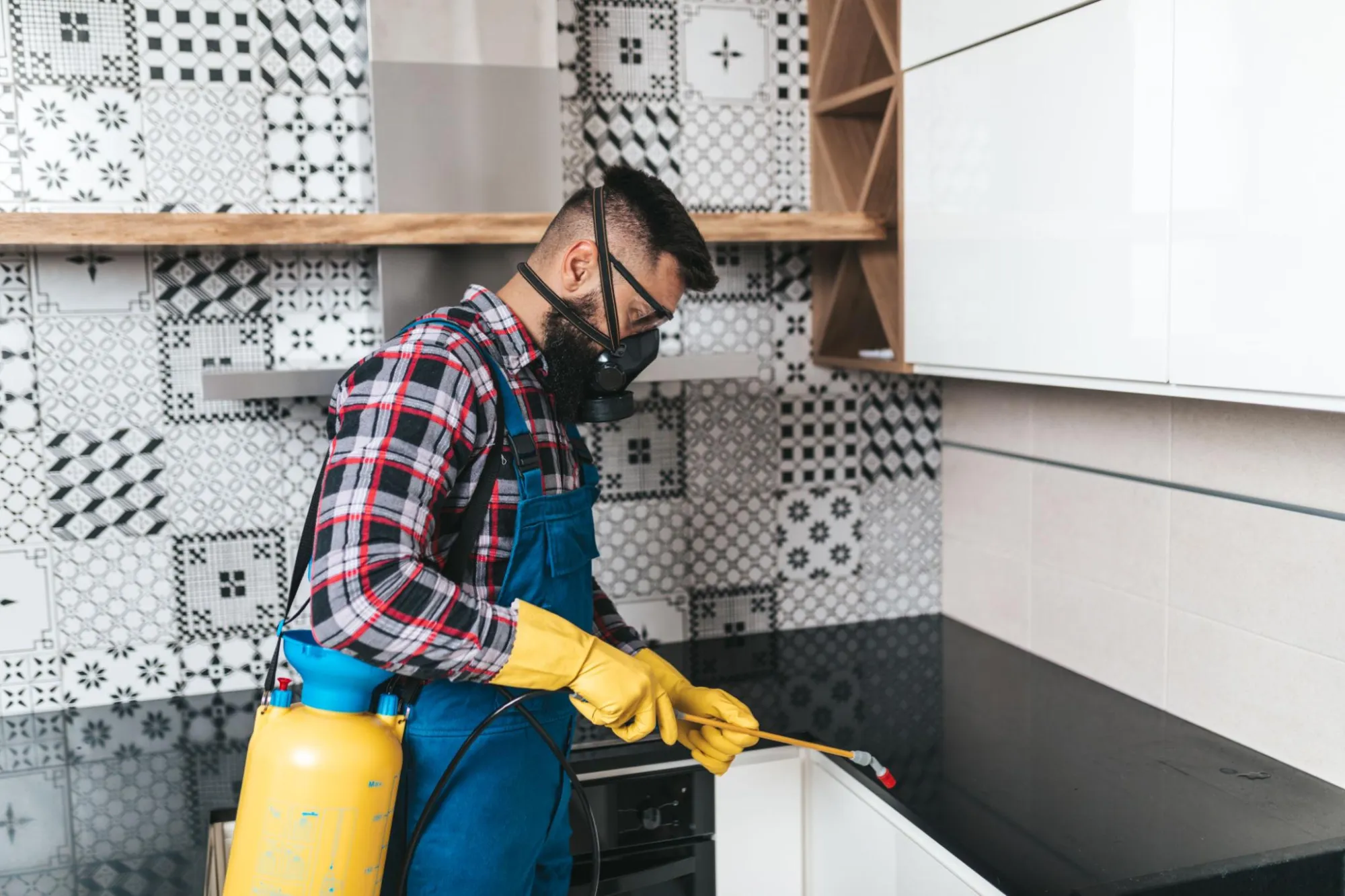

Ants may be small, but they can quickly become a major problem when they invade your home or business. These tiny insects often enter buildings in search of food, water, and shelter. Once they discover a reliable source, they leave scent trails that attract even more ants, making the infestation difficult to control. Effective Ants Control involves more than simply spraying visible insects. It requires identifying the source, eliminating entry points, and using long-term prevention methods to keep colonies away.
Whether you notice a few ants in your kitchen or hundreds marching across your floor, taking prompt action is essential. Understanding why ants invade and how to stop them can save time, money, and frustration while protecting your property from recurring infestations.
Why Ants Invade Homes
Ants are constantly searching for resources that help their colonies survive. Homes provide everything they need, including food crumbs, moisture, and safe nesting locations.
Common reasons ants enter buildings include:
- Leftover food and sugary spills
- Pet food left uncovered
- Standing water around sinks
- Cracks in walls and foundations
- Poorly sealed doors and windows
- Outdoor nests located close to the building
Even a tiny amount of food can attract hundreds of ants within hours.
Signs You Have an Ant Infestation
Recognizing an infestation early makes treatment much easier. Watch for these common warning signs:
- Long trails of ants moving between food and nests
- Small piles of soil near walls or sidewalks
- Winged ants appearing indoors
- Ants gathering around sinks or garbage bins
- Visible nests in gardens or around foundations
If these signs continue for several days, the colony is likely well established.
Understanding Ants Control
Successful Ants Control starts with identifying the type of ant and locating its nesting area. Different species respond differently to treatment methods, so using the correct approach improves results.
A complete control strategy usually includes:
- Inspection
- Identification
- Treatment
- Prevention
- Monitoring
Combining these steps provides better long-term protection than treating only the ants you can see.
Common Types of Household Ants
Several ant species commonly invade residential properties.
Carpenter Ants
These ants tunnel through damp or damaged wood, weakening structures over time. They do not eat wood but create galleries for nesting.
Pavement Ants
Often found around sidewalks, driveways, and foundations, pavement ants frequently enter kitchens looking for food.
Odorous House Ants
These ants produce a strong smell when crushed and commonly nest inside walls or beneath flooring.
Pharaoh Ants
Known for spreading quickly, pharaoh ants often establish multiple colonies inside heated buildings.
What Attracts Ants?
Understanding attractants helps reduce future infestations.
Food sources include:
- Sugar
- Honey
- Syrup
- Bread crumbs
- Grease
- Pet food
- Fruit
Moisture sources include:
- Leaking pipes
- Damp basements
- Condensation
- Standing water
Shelter includes:
- Wall voids
- Foundation cracks
- Tree stumps
- Mulch beds
Effective Prevention Tips
Prevention remains the most affordable solution.
Follow these simple practices:
- Wipe kitchen counters daily.
- Store food in airtight containers.
- Empty trash bins regularly.
- Repair plumbing leaks quickly.
- Seal cracks around windows and doors.
- Trim vegetation touching the home.
- Keep outdoor garbage tightly closed.
Small improvements greatly reduce the chance of attracting ants.
Natural Ways to Reduce Ant Activity
Many homeowners prefer environmentally friendly methods before using stronger treatments.
Some helpful options include:
- White vinegar for cleaning scent trails
- Lemon juice around entry points
- Cinnamon near windows
- Peppermint oil as a deterrent
- Food-grade diatomaceous earth in dry areas
While these methods may discourage ants, they often work best for minor infestations.
When Professional Treatment Is Necessary
Large infestations usually require expert assistance. Professionals have the experience to locate hidden nests and apply targeted treatments safely.
Benefits of hiring professionals include:
- Accurate species identification
- Safe application methods
- Long-lasting protection
- Access to commercial-grade products
- Reduced risk of recurring infestations
Professional inspections also identify structural issues that contribute to pest problems.
Common Mistakes to Avoid
Many homeowners unintentionally make infestations worse.
Avoid these mistakes:
- Killing only visible ants
- Ignoring moisture problems
- Leaving food exposed overnight
- Using too much insecticide
- Blocking bait stations before ants return to the colony
- Forgetting to seal entry points
A complete treatment plan delivers better long-term results than temporary fixes.
Benefits of Long-Term Ant Management
Consistent pest management provides several advantages.
These include:
- Cleaner living spaces
- Reduced food contamination
- Lower risk of recurring infestations
- Better protection for your property
- Improved indoor comfort
- Peace of mind throughout the year
Routine inspections also help detect other pest issues before they become serious.
Seasonal Ant Activity
Ant activity changes throughout the year.
Spring
Colonies become active after winter and begin searching for food.
Summer
Warm temperatures increase foraging activity, making infestations more noticeable.
Fall
Ants search for indoor shelter before colder weather arrives.
Winter
Some colonies remain active indoors where temperatures stay warm.
Understanding seasonal behavior helps homeowners prepare preventive measures before infestations develop.
Frequently Asked Questions
How do ants enter a house?
Ants enter through tiny cracks, gaps around doors, windows, utility lines, and foundation openings.
Can I eliminate ants without professional help?
Small infestations may respond to cleaning, sealing entry points, and bait products. Larger colonies often require professional treatment.
Are ants dangerous?
Most household ants are more of a nuisance than a health threat. However, some species can contaminate food or damage wooden structures.
How long does ant treatment take?
The timeline depends on the size of the colony and treatment method. Many infestations improve within days, while complete elimination may take several weeks.
How can I prevent ants from returning?
Maintain good sanitation, eliminate moisture, seal entry points, and schedule routine inspections if infestations are recurring.
Conclusion
Effective Pest Control requires a combination of prevention, proper identification, and targeted treatment. Simply removing visible ants will not eliminate the colony, so addressing the root cause is essential for lasting results. By keeping your home clean, reducing moisture, sealing entry points, and responding quickly to early signs of activity, you can significantly lower the risk of future infestations. If ants continue to return despite your efforts, professional pest control services can provide customized solutions that protect your property year-round. Taking action today will help you maintain a cleaner, healthier, and pest-free home for the future.


























Sign in to leave a comment.