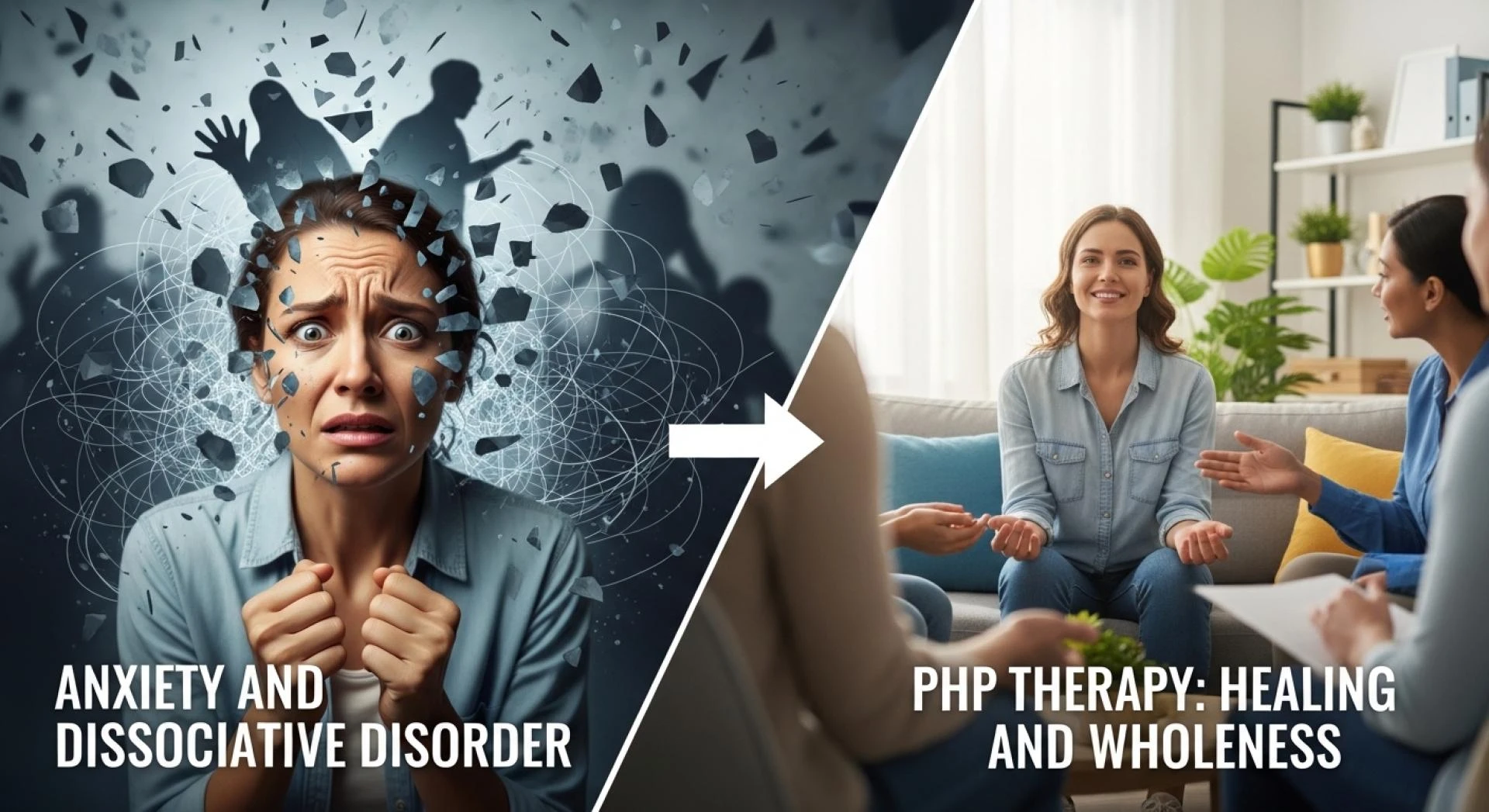

Living with an anxiety disorder is exhausting. And when dissociation layers on top of it, that unsettling feeling of being disconnected from yourself, your memories, or the world around you can make everyday life feel genuinely unmanageable. You might feel like you're watching your own life from a distance or that something is deeply wrong, but you can't quite name it.
If that resonates with you, you're not broken. You're dealing with real, recognized mental health conditions, and more importantly, there is structured, effective treatment available right here in Atlanta.
Understanding Anxiety Disorders: More Than Just Worry
Most people experience anxiety at some point. But an anxiety disorder is categorically different from everyday stress. It's persistent, it's disproportionate to the situation, and it interferes meaningfully with your ability to function at work, in relationships, and even at home.
The most common anxiety disorders include:
- Generalized Anxiety Disorder (GAD): Chronic, wide-ranging worry that's difficult to control and physically exhausting
- Panic Disorder: Sudden, intense episodes of fear accompanied by physical symptoms like a racing heart, chest tightness, and shortness of breath
- Agoraphobia: Intense fear of situations where escape might feel difficult, often leading to severe avoidance behaviors
- Social Anxiety Disorder: Deep, ongoing fear of social judgment or humiliation that limits daily interactions
Anxiety disorders are among the most prevalent mental health conditions in the United States and also among the most treatable when the right level of care is matched to the severity of symptoms.
For people whose anxiety has become debilitating, anxiety treatment at New View Wellness offers a structured path forward through evidence-based therapies proven to reduce symptoms and build lasting resilience.
What Are Dissociative Disorders and Why Do They So Often Accompany Anxiety?
Dissociative disorders are conditions characterized by disruptions in memory, consciousness, identity, or perception of the surrounding environment. They're not rare experiences. Research suggests that a significant portion of people will experience at least one dissociative episode at some point. But for those who meet the clinical criteria for a diagnosable disorder, the impact can be profound.
There are three primary types:
Dissociative Identity Disorder (DID)
Formerly known as multiple personality disorder, DID involves the presence of two or more distinct personality states, each with its own way of perceiving and interacting with the world. Transitions between these states, called "alters," can happen with or without the person's awareness.
Depersonalization/Derealization Disorder
This condition creates a persistent sense of detachment, feeling like you're observing yourself from the outside or that the world around you isn't real. These episodes can last seconds or stretch for much longer, and they're often deeply distressing.
Dissociative Amnesia
This involves gaps in memory that go beyond ordinary forgetfulness and cannot be explained by a medical condition. It's often triggered by trauma and can range from brief episodes to extended periods of memory loss.
What's clinically significant is how frequently dissociative disorders co-occur with anxiety. Both conditions are commonly rooted in unprocessed trauma, and they often reinforce each other. Anxiety can trigger dissociative episodes, and the confusion of dissociation can itself fuel intense anxiety.
This is exactly why treatment needs to address both simultaneously through a comprehensive, trauma-informed approach.
What Is a Partial Hospitalization Program (PHP)?
A partial hospitalization program sits at the most intensive end of outpatient care. Clients attend structured therapeutic programming for several hours per day, multiple days per week, and then return home in the evenings.
It's the clinical middle ground between inpatient hospitalization and standard outpatient therapy. PHP is appropriate when symptoms are serious enough that weekly therapy simply isn't providing sufficient support, but the person doesn't require around-the-clock supervision.
A typical day in PHP at New View Wellness might include the following:
- Morning check-in to set goals and address immediate concerns
- Group therapy focused on coping skills, emotional regulation, and interpersonal effectiveness
- Individual therapy sessions tailored to the client's specific diagnoses and treatment goals
- Psychiatric medication management for those whose treatment includes medication
- Skill-building workshops in mindfulness, distress tolerance, and grounding techniques
- Specialized trauma-focused therapy, such as EMDR or trauma-focused CBT
For individuals dealing with both an anxiety disorder and a dissociative disorder, this level of daily therapeutic contact creates the consistency and safety necessary for real progress. Grounding work, trauma processing, and anxiety management skills can all be practiced and reinforced in each session, rather than waiting a week between appointments for them to take hold.
How PHP Addresses Anxiety and Dissociation Together
The relationship between anxiety and dissociation is clinically well-established. Trauma, particularly chronic or developmental trauma, is a common root for both. When someone dissociates, they often experience heightened anxiety about what happened during an episode. When anxiety escalates, dissociation can intensify as a psychological defense mechanism.
Effective dissociative disorder therapy needs to hold both of these threads at once.
Trauma-Informed Care as the Foundation
At New View Wellness, every program is grounded in trauma-informed care. This means clinicians don't just treat the surface symptoms; they approach each client with an understanding that their history shapes their present experience. Sessions are paced to keep clients within a safe window of tolerance, preventing retraumatization while still allowing for meaningful processing.
Dialectical Behavior Therapy (DBT)
DBT was originally developed for individuals with intense emotional experiences and difficulty tolerating distress, making it highly applicable to both anxiety disorders and dissociative conditions. It builds skills across four domains: mindfulness, distress tolerance, emotional regulation, and interpersonal effectiveness.
For someone who dissociates in response to emotional overwhelm, DBT's distress tolerance and grounding modules can be genuinely life-changing.
Cognitive Behavioral Therapy (CBT)
CBT helps clients identify and challenge the thought patterns that drive anxiety and distress. For anxiety disorders, this often includes examining catastrophic thinking, avoidance behaviors, and the beliefs that keep someone trapped in cycles of fear. For dissociation, CBT can help clients develop a more coherent and stable sense of self over time.
Psychiatric Medication Management
While no medication is specifically approved to treat dissociative disorders, psychiatric care and medication management play an important role in managing co-occurring symptoms like anxiety and depression. At New View Wellness, psychiatrists work directly alongside therapists to adjust treatment in real time so medication decisions are always informed by what's happening in therapy.
Who Should Consider PHP for Anxiety and Dissociation?
Not everyone needs PHP. But for those who do, getting this level of care at the right time can make an enormous difference. PHP may be the appropriate next step if you:
- Experience dissociative episodes that interfere with daily functioning
- Have anxiety severe enough to limit work, relationships, or basic activities
- Have tried outpatient therapy without achieving meaningful symptom relief
- Are stepping down from inpatient or residential care and need continued structure
- Struggle with co-occurring trauma, depression, or a dual diagnosis
- Need a more immersive environment to build and practice coping skills
You don't need to be in a crisis to deserve this level of support. If your symptoms are affecting your quality of life, that's reason enough to seek more comprehensive care.
Take the First Step. You Don't Have to Figure This Out Alone
If you've been living with the weight of an anxiety disorder, dissociative symptoms, or both and you've started to wonder whether what you're doing is actually working, that wondering is worth listening to.
New View Wellness is here to help. Their PHP and dissociative disorder therapy provides the clinical depth, daily structure, and genuine compassion that complex mental health conditions require.



























Sign in to leave a comment.