
In today's fast-paced digital age, application development has become a cornerstone of innovation, enabling businesses and individuals to solve complex problems, enhance user experiences, and streamline operations. From mobile apps to web applications, the development process involves multiple stages, each critical to the creation of a successful product.
This blog will explore the key aspects of application development, shedding light on the importance of planning, design, development, testing, and deployment.
The Importance of Planning
Every successful application begins with a solid plan. The planning phase involves defining the project's scope, goals, target audience, and features. This step is crucial as it sets the foundation for the entire development process. Effective planning ensures that the development team and stakeholders are on the same page, reducing the risk of miscommunication and scope creep.
During the planning phase, it's essential to conduct thorough market research. Understanding the competitive landscape and identifying user needs helps in crafting a unique value proposition. Additionally, creating detailed user personas and user stories can guide the development process, ensuring that the final product meets user expectations.
Design: Crafting User Experiences
Once the planning phase is complete, the focus shifts to design. The design phase is where the application starts taking shape visually and functionally. User interface (UI) and user experience (UX) design are critical components of this phase. UI design focuses on the visual elements of the application, such as color schemes, typography, and layout, while UX design focuses on the overall user journey and interactions.
A well-designed application is intuitive and user-friendly. It should provide a seamless experience, making it easy for users to navigate and accomplish their goals. Wireframing and prototyping are essential tools in the design process, allowing designers to create low-fidelity and high-fidelity representations of the application. These prototypes can be tested and refined based on user feedback before moving on to development.
Development: Bringing Ideas to Life
The development phase is where the application is built. This phase involves writing code, integrating functionalities, and creating the core features of the application. Development can be divided into front-end and back-end development. Front-end development deals with the client side, focusing on what users see and interact with, while back-end development handles the server side, managing data, security, and application logic.
Choosing the right technology stack is crucial in this phase. Factors such as the application's complexity, scalability, and performance requirements influence the choice of programming languages, frameworks, and tools. Agile development methodologies, such as Scrum or Kanban, are often employed to ensure iterative progress and flexibility in accommodating changes.
Testing: Ensuring Quality and Reliability
No application is complete without thorough testing. The testing phase is critical to identifying and fixing bugs, ensuring that the application performs as expected across different devices and environments. There are several types of testing, including functional testing, performance testing, security testing, and usability testing.
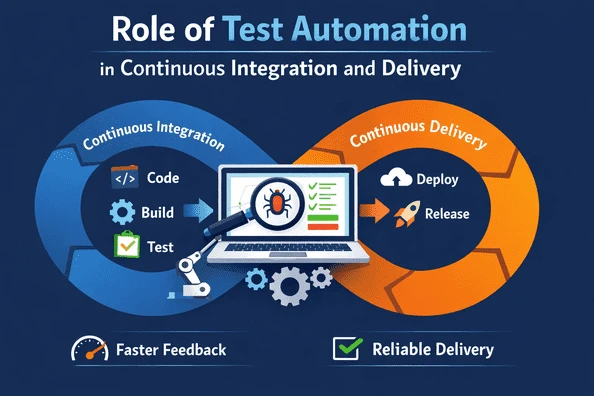
Automated testing tools can streamline the testing process, allowing for continuous integration and continuous deployment (CI/CD). By running automated tests regularly, developers can catch issues early and maintain the application's quality throughout its lifecycle. User acceptance testing (UAT) is also essential, involving real users to validate that the application meets their needs and expectations.
Deployment and Maintenance
Once the application has passed all testing phases, it's ready for deployment. The deployment phase involves making the application available to users. This step includes setting up servers, configuring databases, and ensuring that the application is secure and scalable. Cloud services, such as AWS, Azure, or Google Cloud, offer robust solutions for deploying and managing applications.
Post-deployment, the focus shifts to maintenance and updates. Regular updates are necessary to fix bugs, introduce new features, and adapt to changing user needs. Monitoring tools can help track the application's performance and user behavior, providing valuable insights for future improvements.
Conclusion
Application development is a dynamic and iterative process that requires careful planning, design, development, testing, and deployment. By following a structured approach and leveraging the right tools and technologies, developers can create applications that meet user needs and drive business success. As technology continues to evolve, staying updated with the latest trends and best practices in application development will be crucial for delivering innovative and impactful solutions.



























Sign in to leave a comment.