

With the progress of science and technology, flammable and explosive and toxic and hazardous gas emissions have attracted the attention of all walks of life, mainly used in petroleum, chemical, fire, gas, shipping, environmental monitoring, health and epidemic prevention, municipal public utilities, energy and power, metallurgy and foundry, wood processing, grain storage , tobacco fumigation, industrial spraying, sewage treatment, scientific research and experimentation, process control, emergency rescue and monitoring of the field, using gas Gas detection and alarm instrument, can more effectively monitor and control the production process of combustible and toxic gas emissions, so as to protect people\'s lives and health.
1.The purpose of the application of the gas detection alarm:
Leak detection: mainly for the leakage of hazardous chemicals and equipment pipeline combustible gases, liquids (vapors) or toxic gases on-site leak detection and alarm.
Inspection and testing: equipment inspection and replacement of residual combustible gases, liquids (vapors) or toxic gases, especially before the fire detection is more important.
Emergency Detection: When abnormal conditions occur at the production site or when dealing with accidents, combustible, toxic and hazardous gases are detected for the sake of safety and hygiene.
Restricted Space Detection: Combustible and toxic and hazardous gases must be detected when staff enter confined storage tanks, sewers, cable trenches, underground pipeline corridors, filtrate trenches, garbage ponds, and anaerobic ponds to perform work.
Patrol testing: Combustible and toxic and hazardous gases are tested during health supervision and inspection, fire emergency response, and environmental law enforcement monitoring.
2.Categories of gas detection alarms:
Portable Gas Detection and Alarm Instrument: The instrument will be assembled with sensor, measurement circuit, display, alarm, rechargeable battery, pumping pump and so on in a shell, which becomes a one-piece instrument, compact and lightweight, easy to carry, pumping sampling, which can be detected at anytime and anywhere. Pocket instrument is a kind of portable instrument, generally no pump diffusion sampling, battery-powered, extremely small, easy to carry.
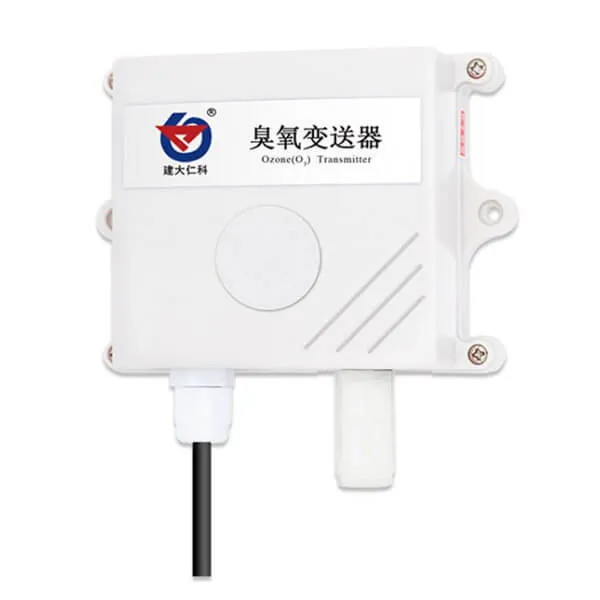
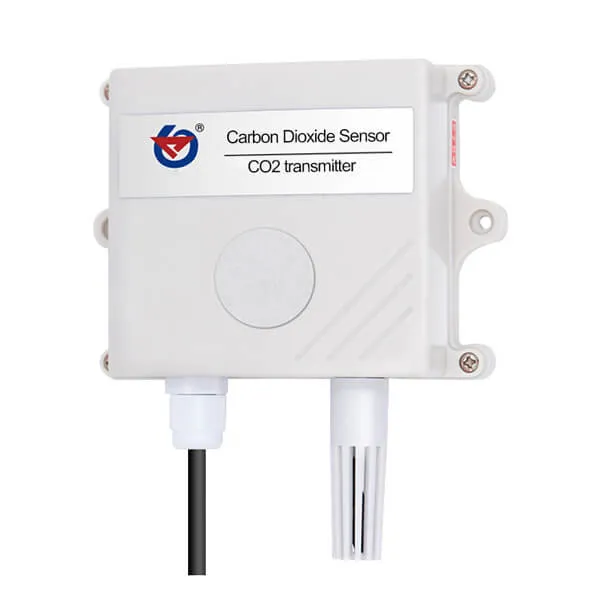
Fixed gas detection and alarm instrument: These instruments are fixed in the field, continuous automatic detection, gas over the limit of the automatic alarm, but also automatic linkage of exhaust fans, solenoid valves and other equipment, can be through the RS485 bus system digital signals, 4-20Ma three-wire current signals, or 4G / GPRS wireless transmission form, will be detected in real time to the gas concentration of data transmitted to the gas alarm controller or PLC, DCS system or monitoring center, the data screen centralized presentation. system or monitoring center, the data is presented centrally on the big screen.
Combustible Gas Detection
Combustible gases are the most dangerous gases encountered in petrochemical and other industrial settings, which are mainly organic gases such as alkanes and certain inorganic gases, such as carbon monoxide. Combustible gas explosion must have certain conditions: a certain concentration of combustible gases, a certain amount of oxygen and enough heat to ignite their ignition source, which is the explosion of the three elements, one without the other, that is to say, the lack of any one of these conditions will not cause a fire and explosion.
When combustible gases (vapors, dust) and oxygen mixed and reached a certain concentration, when the ignition source with a certain temperature will explode. We will be combustible gases explode when the ignition source of the concentration known as the explosive concentration limit, referred to as the explosion limit, generally expressed in %. In fact, this mixture is not in any proportion of the mixture will explode and to have a concentration range.
Explosions do not occur when the concentration of combustible gases is below the LEL (Lowest Explosive Limit) (insufficient concentration of combustible gases) and when the concentration is above the UEL (Maximum Explosive Limit) (insufficient oxygen). The LEL and UEL vary from one combustible gas to another, and this should be noted when calibrating the instrument. For safety reasons, we should generally sound an alarm at combustible gas concentrations of 10% and 20% of the LEL, where 10% LEL is called a warning alarm and 20% LEL is called a danger alarm. This is why we call combustible gas detectors LEL detectors.
It should be noted that the 100% shown on the LEL detector is not the concentration of combustible gases to reach 100% of the volume of the gas, but to reach 100% of the LEL, that is, equivalent to the lowest explosive lower limit of combustible gases, in the case of methane, 100% LEL = 4% volumetric concentration (VOL), in the work of the detector to LEL measurement of these gases is our common catalytic combustion type Detectors.




























Sign in to leave a comment.