
The basic principles of infrared radiation involve the electromagnetic waves emitted by objects at temperatures above absolute zero. The following is a detailed explanation of the basic principles of infrared radiation:
Definition of Infrared Radiation: Infrared radiation is a type of radiation in the electromagnetic spectrum with wavelengths between visible light and microwaves, ranging from approximately 0.7 micrometers to 1 millimeter.
Based on wavelength, infrared radiation can be divided into three main bands: near-infrared (NIR), mid-infrared (MIR), and far-infrared (FIR).
Generation of Infrared Radiation: All objects with temperatures above absolute zero (-273.15°C) emit infrared radiation.
Infrared radiation is generated due to the vibration and rotation of molecules within the object; this vibrational and rotational energy is transferred out in the form of infrared radiation.
According to Planck's law of radiation, the emitted power of an object is proportional to the fourth power of its temperature. Therefore, objects with higher temperatures will radiate more and stronger infrared radiation.
Characteristics of Infrared Radiation:
Wavelength Characteristics: Infrared radiation ranges in wavelength from 0.7 micrometers to 1 millimeter. Based on wavelength, it can be divided into near-infrared, mid-infrared, and far-infrared.
Energy Characteristics: The energy of infrared radiation is inversely proportional to its wavelength; that is, the shorter the wavelength, the higher the energy.
Directionality: Infrared radiation is directional, meaning that the radiated energy mainly propagates in a straight line.
Penetrating Power: Different media have different absorption, reflection, and transmission characteristics for infrared radiation.
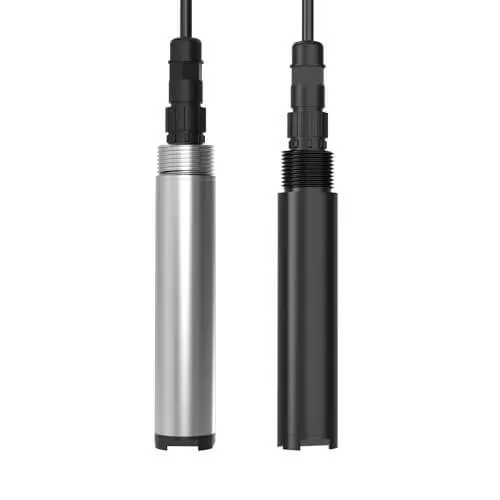
Measurement of Infrared Radiation: Infrared radiation is typically measured using infrared sensors or detectors.
These devices convert received infrared radiation into electrical signals, which are then processed and displayed by subsequent circuitry.
Applications of Infrared Radiation: Infrared radiation technology is widely used in various fields, including industry, medicine, security, and the military.
Specific applications include infrared thermometry, thermal imaging, night vision equipment, and infrared communication.
Understanding the basic principles of infrared radiation allows for better application and utilization of the advantages of infrared technology in different fields.




























Sign in to leave a comment.