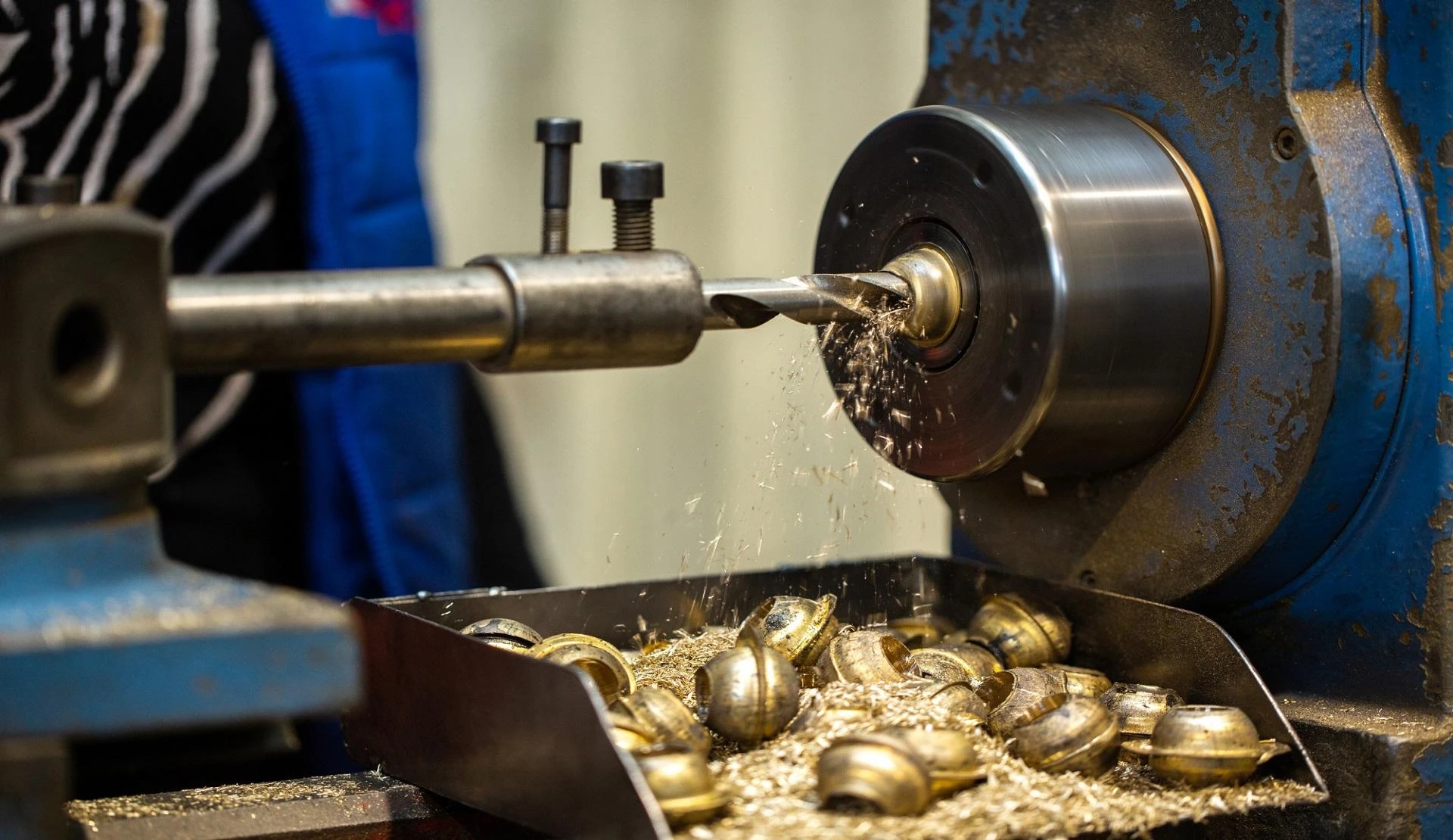

In the healthcare industry, precision is crucial. That’s where CNC machined parts come in. These parts play a key role in shaping modern medicine, from surgical tools to diagnostic devices and implants.
Let’s see how CNC machined parts transform healthcare, improve treatments, and drive innovation in medical technology.
Importance of CNC machined parts in medical device manufacturing
CNC (Computer Numerical Control) machined parts are integral to medical device manufacturing due to their precision, customization capabilities, material versatility, consistency, rapid prototyping abilities, and regulatory compliance.
In the medical industry, where accuracy and reliability are paramount, CNC machining ensures the production of highly precise components tailored to specific patient needs and medical applications. With the ability to work with various materials and maintain tight tolerances, CNC machining facilitates the creation of complex geometries and intricate designs crucial for medical devices.
Furthermore, CNC machining enables rapid prototyping, aiding in the development of new devices and reducing time-to-market. Compliance with stringent regulatory standards such as ISO 13485 and FDA regulations is ensured through closely monitored machining processes. Overall, CNC machined parts play a critical role in producing high-quality medical devices that meet the rigorous demands of healthcare professionals and regulatory authorities alike.
CNC Machined Parts in Diagnostic Equipment
CNC machined parts are crucial in diagnostic equipment, notably in imaging devices like MRI machines, CT scanners, and X-ray systems. They ensure precise construction and operation, contributing to high-quality images for medical diagnosis. In MRI machines, CNC parts align magnets and coils; in CT scanners, they aid in gantry and table movement; and in X-ray systems, they ensure structural integrity and precise positioning of components. CNC machining plays a pivotal role in producing reliable and high-performance imaging devices essential for medical diagnosis and treatment.
Surgical Instruments and Tools
CNC machining enables the production of precise surgical instruments, enhancing their accuracy and effectiveness in medical procedures. These instruments, including scalpels, forceps, and retractors, are crucial for various surgical tasks, from minimally invasive surgeries to complex interventions. CNC machined parts, such as handles, jaws, and cutting edges, ensure meticulous precision and reliability during procedures. These components contribute to high-quality surgical tools that improve patient outcomes and safety in the operating room.
Prosthetics and Implants
CNC machining is pivotal in creating customized prosthetics and implants, ensuring precise fit and functionality for patients. Custom prosthetics like artificial limbs and orthopedic braces benefit from CNC machining\'s ability to tailor components to individual needs, enhancing comfort and mobility. In orthopedic, dental, and reconstructive surgeries, CNC-machined implants such as hip and knee replacements, dental crowns, and cranial plates are crafted to exact specifications, ensuring proper alignment and biocompatibility. CNC machining enables the production of implants with complex geometries and materials, promoting successful surgical outcomes and patient well-being.
Quality Assurance Processes in CNC Machining for Medical Applications
Quality assurance processes in CNC machining for medical applications are paramount to ensure compliance with regulatory standards such as ISO 13485 and FDA regulations. These processes entail rigorous material inspection, regular machine calibration, tool management, in-process inspection, and final testing to verify conformance to design specifications and ensure biocompatibility.
Comprehensive documentation and traceability are maintained throughout the manufacturing process, allowing for continuous improvement and corrective actions to prevent defects. By adhering to these quality assurance measures, CNC machining ensures the production of medical components that meet the highest standards of safety, reliability, and performance, thereby upholding the integrity of medical devices and enhancing patient care.



























Sign in to leave a comment.