
Augmented Reality (AR) is no longer a futuristic concept limited to sci-fi movies — it is here, shaping the way we see, interact, and experience the world around us. Among the many innovations driving this revolution, AR glasses stand out as one of the most transformative technologies. Companies like Meta are pushing the boundaries, bringing immersive digital experiences into everyday life.
These glasses don’t just display information — they blend the digital and physical worlds seamlessly, altering how we work, learn, shop, and socialise. Just like smartphones changed the early 2000s, AR glasses have the potential to redefine the 2020s and beyond.
In this blog, we’ll explore how AR glasses, particularly those being developed by Meta, are changing the world — one lens at a time.
1. The Evolution of AR Glasses
The journey of AR glasses has been long and fascinating:
- Early Attempts — Products like Google Glass (2013) sparked initial interest but were too ahead of their time, facing backlash over privacy, limited functionality, and design.
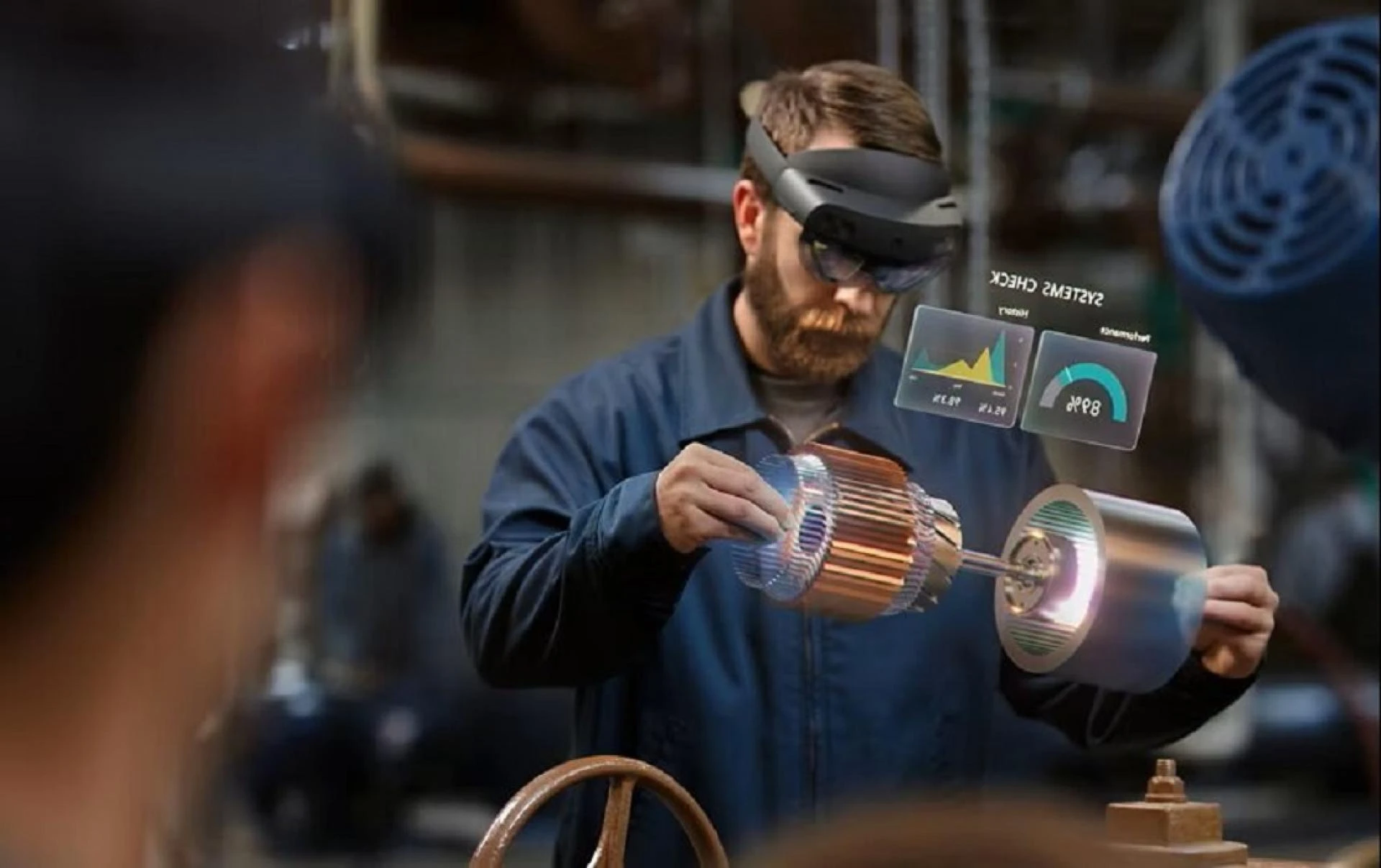
- Enterprise Adoption — Microsoft HoloLens and Magic Leap found niches in industry and research, proving AR could be practical.
- Meta’s Vision — With Meta investing billions into the metaverse, their AR glasses aim to become mainstream consumer devices, combining style, functionality, and accessibility.
Just as smartphones evolved from bulky devices with limited functions into pocket-sized computers, AR glasses are on the same trajectory — getting smaller, lighter, and smarter.
2. Changing the Way We Work
One of the biggest shifts AR glasses bring is in the workplace.
- Remote Collaboration: Imagine sitting in your living room but seeing 3D holograms of your colleagues in real-time. Meetings become interactive, breaking down geographical barriers.
- Hands-Free Productivity: From engineers to doctors, AR glasses allow professionals to access instructions, blueprints, or patient data without pausing their work.
- Training & Onboarding: AR glasses can simulate real-life scenarios, allowing employees to train in safe, controlled environments. A medical intern could practice surgery or an aviation engineer could learn engine repair without risks.
Meta’s focus on mixed reality makes these applications seamless, offering not just virtual meetings but interactive workspaces. Learn more.
3. Transforming Education
Education is perhaps one of the most exciting areas AR glasses are changing.
- Immersive Learning: Instead of reading about the solar system in a textbook, students can walk around planets in a virtual classroom.
- Equal Access: Remote students can join AR-enabled classrooms, making distance learning more engaging and interactive.
- Special Needs Education: AR glasses can help children with learning disabilities by providing visual aids, translations, or real-time instructions tailored to their pace.
Meta’s vision of AR in education means classrooms could evolve from chalkboards and projectors to dynamic, interactive environments that make learning exciting and personal.
4. Healthcare Revolution
The healthcare sector is already seeing breakthroughs with AR glasses.
- Surgical Assistance: Surgeons can overlay patient scans directly on their field of view, ensuring precision.
- Medical Training: Students and interns can practice complex procedures virtually.
- Patient Care: AR glasses could help doctors diagnose patients remotely or guide patients through self-care treatments at home.
Meta’s AR innovations could make telemedicine more powerful, connecting patients with specialists worldwide through shared immersive experiences.
Contact Realtime AR for more information.
5. Redefining Entertainment & Gaming
Entertainment is at the heart of AR’s appeal.
- Gaming in the Real World: Imagine Pokémon Go, but evolved — AR glasses let you see characters integrated seamlessly into your living room or local park.
- Immersive Media: Watching a movie or sports match could become a 360° experience, as if you’re sitting in the stadium or inside the film’s world.
- Social AR: Meta’s strength lies in social media. With AR glasses, hanging out with friends won’t just mean texting — it could mean walking together in a virtual city while sitting in different countries.
This blurring of entertainment and social connection is why Meta is betting big on AR.
6. Retail and Shopping
Shopping with AR glasses is already taking shape.
- Virtual Try-Ons: See how clothes, glasses, or even makeup look on you without stepping into a store.
- Smart Navigation: AR can guide you through malls, showing deals, discounts, and store directions.
- Home Previews: Furniture brands like IKEA already use AR apps. With AR glasses, you’ll be able to walk around your home and see exactly how a sofa or table fits.
Meta’s AR glasses could link directly to e-commerce platforms, making shopping faster, smarter, and more personalized.
7. Enhancing Daily Life
Beyond industries, AR glasses will impact our daily routines.
- Navigation: Walking or driving directions projected directly in your view — no more looking at a phone.
- Translation: Real-time translations of signs or conversations while traveling abroad.
- Memory Assistance: Glasses could remind you of names, appointments, or tasks.
- Accessibility: For people with visual or hearing impairments, AR glasses can provide subtitles, object detection, or voice prompts.
This everyday convenience will drive mass adoption, much like smartphones became indispensable.
8. Economic and Business Impact
AR glasses aren’t just a consumer trend — they’re shaping the global economy.
- New Business Models: From AR-powered advertising to immersive brand experiences, businesses will need to adapt.
- Job Creation: Demand for AR developers, designers, and engineers is skyrocketing.
- Global Market Growth: Analysts predict the AR market could exceed hundreds of billions by 2030.
Meta, with its metaverse vision, is positioning itself as the leader in this ecosystem, setting the stage for a new digital economy.
9. Privacy, Ethics, and Challenges
With all the excitement, AR glasses also bring challenges.
- Privacy Concerns: Constant recording or scanning of environments raises fears of surveillance.
- Data Security: Storing and processing personal interactions in AR must be carefully managed.
- Health Risks: Prolonged use may affect eyesight, mental health, or social interactions.
- Adoption Barriers: Cost, bulky design, and public perception are hurdles to overcome.
Meta’s responsibility lies not only in innovation but also in ethically balancing technology with human values.
10. The Future Outlook
So, what does the future hold?
- Lighter, Sleeker Glasses: AR glasses will look like normal eyewear, not bulky devices.
- Integration with AI: Combining AR with AI assistants will create personalised, context-aware experiences.
- Universal Adoption: Just like smartphones, AR glasses will eventually become mainstream, with everyone - from children to seniors - using them daily.
- Blending Real & Virtual Worlds: Work, play, shopping, healthcare, and socialising will merge into seamless AR-enhanced experiences.
Meta’s relentless push toward the metaverse means that AR glasses won’t just be gadgets — they’ll be gateways to a new reality.
Conclusion
AR glasses like Meta’s represent one of the most transformative technologies of our time. They are not just tools for convenience but catalysts for innovation across education, healthcare, work, entertainment, and everyday life.
While challenges exist around privacy, cost, and adoption, the direction is clear: AR glasses are poised to change the world just as profoundly as the smartphone did.
In the coming decade, we may look back and realize that the first time we put on a pair of AR glasses was the moment we stepped into the future.






















Sign in to leave a comment.