
Introduction
Dental laboratories are vital spaces where precision, hygiene, and safety converge to create life-enhancing dental solutions — prosthetics, crowns, bridges, orthodontic devices, and more. However, the very nature of dental lab work exposes staff to a range of airborne hazards, from fine particulate matter to harmful vapors. Ensuring clean, purified air in these environments isn’t just a matter of comfort — it’s a critical factor for health, compliance, and quality control.
This blog explores why air purification in dental labs is essential, the risks of poor air quality, and how advanced purification solutions can make a measurable difference.
Air Quality Challenges in Dental Labs
Unlike standard office environments, dental labs involve processes that release airborne contaminants daily. These can linger in the air and cause both short-term irritation and long-term health risks. The main pollutants include:
1. Fine Particulates
Grinding, cutting, polishing, and sandblasting dental materials generate microscopic dust particles. Materials such as acrylic resins, ceramics, plaster, and metals release fine particulates that can remain suspended in the air for hours. These particles, when inhaled, can accumulate in the respiratory system.
2. Chemical Vapors and Fumes
Many dental materials — acrylic monomers, resins, adhesives, and solvents — emit volatile organic compounds (VOCs). Prolonged exposure to VOCs may cause headaches, dizziness, nausea, and even long-term organ damage.
3. Mercury Vapor
Mercury is still present in some dental amalgam processes. Even at low levels, mercury vapor poses severe health risks, including neurological and kidney damage.
4. Bioaerosols
Dental impressions, contaminated tools, or improperly disinfected equipment can release biological contaminants into the lab environment. These bioaerosols increase the risk of cross-contamination and infection.
5. Odors and Gases
Beyond health, strong chemical odors can make the workplace uncomfortable, impacting concentration and overall well-being.
Health Risks from Poor Air Quality
For dental technicians and staff, daily exposure to contaminated air can lead to:
- Respiratory problems such as asthma, bronchitis, and chronic coughing
- Skin irritation and allergies caused by chemical exposure
- Eye irritation from dust and fumes
- Headaches and fatigue linked to VOCs
- Serious long-term risks including lung disease, neurological disorders (from mercury), and reproductive issues
Given these risks, air purification is not optional — it is essential for protecting the workforce and ensuring regulatory compliance.
Regulatory and Compliance Considerations
Health and safety authorities in many regions have set strict guidelines for dental labs. For example:
- OSHA (Occupational Safety and Health Administration) regulates exposure limits to mercury and chemical vapors.
- ISO standards for dental lab safety emphasize ventilation and dust control.
- Local health authorities require strict hygiene protocols to reduce infection risks.
Failure to meet these standards can lead to penalties, lab shutdowns, or reputational damage. Air purification systems help labs maintain compliance while demonstrating a commitment to employee safety.
Benefits of Air Purification in Dental Labs
Investing in advanced air purification solutions provides a wide range of benefits for dental labs:
1. Protecting Technician Health
The most direct benefit is reducing exposure to airborne contaminants. High-efficiency air purifiers with HEPA and activated carbon filters capture dust, VOCs, and biological contaminants, ensuring a safer work environment.
2. Improving Productivity and Focus
Cleaner air reduces headaches, fatigue, and discomfort, enabling technicians to focus on precision tasks without distraction. A healthy workforce also means fewer sick days and higher productivity.
3. Enhancing Work Comfort
Strong chemical odors can be overwhelming. Air purifiers designed to handle VOCs eliminate these smells, creating a more comfortable workplace.
4. Extending Equipment Lifespan
Dust accumulation can damage sensitive lab equipment over time. By filtering particulates, air purification reduces wear and maintenance costs.
5. Reducing Cross-Contamination
By capturing bioaerosols, air purifiers minimize the risk of spreading pathogens — crucial for labs working closely with dental clinics.
6. Ensuring Compliance and Reputation
A lab that invests in clean air demonstrates professionalism and care for its staff, strengthening its reputation among dentists and clients.
Types of Air Purifiers for Dental Labs
Not all air purifiers are the same. Dental labs require systems specifically designed for professional environments:
1. HEPA Filters
High-Efficiency Particulate Air (HEPA) filters capture up to 99.97% of airborne particles as small as 0.3 microns. They are essential for dust and fine particulate control.
2. Activated Carbon Filters
These filters absorb VOCs, odors, and chemical fumes — critical for dealing with acrylics, solvents, and resins.
3. UV-C Technology
Ultraviolet germicidal lamps destroy bacteria, viruses, and mold spores, reducing bioaerosols.
4. Specialized Mercury Vapor Filters
Some air purification systems are designed to trap mercury vapor, ensuring safety during amalgam handling.
5. Portable vs. Central Systems
- Portable units allow flexibility, placed near workstations with high pollutant levels.
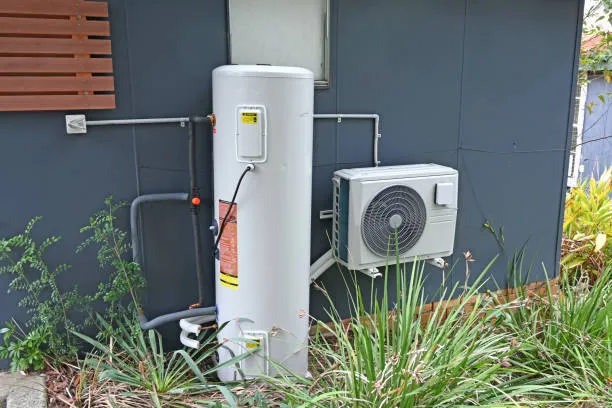
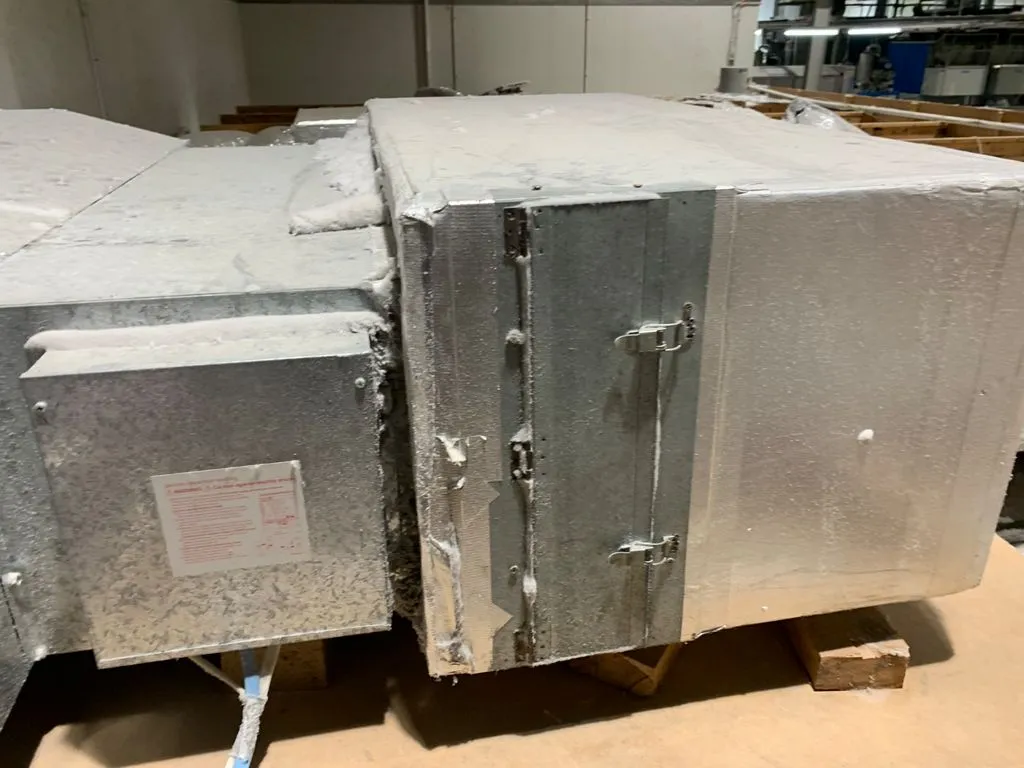
- Centralized systems integrate with HVAC, providing consistent purification across the lab.
Best Practices for Implementing Air Purification in Dental Labs
To maximize effectiveness, labs should follow these best practices:
- Identify high-risk zones — Grinding stations, polishing areas, and chemical mixing spots should have targeted purification.
- Use source-capture systems — Local exhaust ventilation and air purifiers positioned near pollutant sources prevent contaminants from spreading.
- Maintain regular filter replacements — Filters lose efficiency over time and must be changed as recommended.
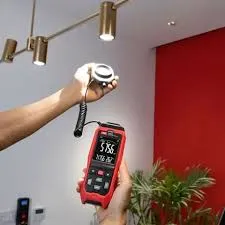
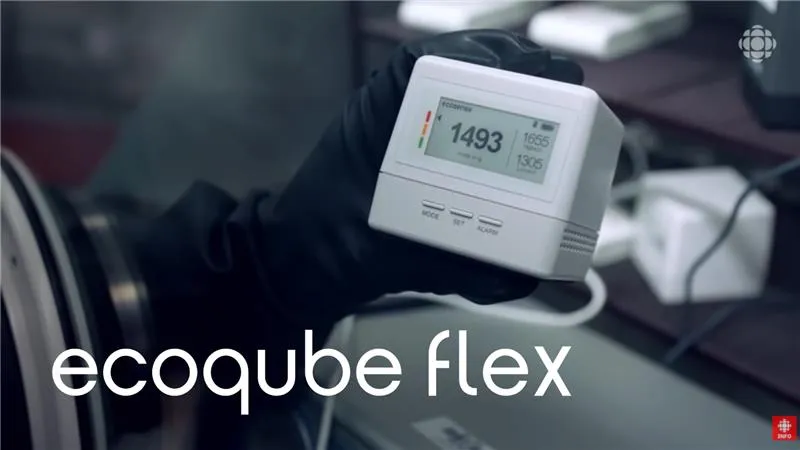
- Monitor air quality — Using air quality sensors ensures compliance and helps identify problem areas.
- Combine with good ventilation — Air purifiers work best alongside proper ventilation systems. Learn more about dental air purifiers in Australia.
Real-World Scenarios
Case 1: Reducing Dust in a Prosthetics Lab
A dental lab specializing in ceramic crowns installed HEPA air purifiers near grinding stations. Within weeks, technicians reported fewer respiratory issues, and dust buildup on equipment decreased noticeably.
Case 2: Eliminating Chemical Odors
A lab producing acrylic dentures faced complaints about strong chemical odors. After installing purifiers with activated carbon filters, the odors disappeared, and staff reported a more comfortable workspace.
Case 3: Mercury Safety
Labs that handle amalgam benefit from specialized purifiers that capture mercury vapor. This not only safeguards employees but also helps the lab meet occupational safety standards.
The Future of Air Purification in Dental Labs
With technology advancing, future air purification systems will likely feature:
- Smart sensors for real-time air quality monitoring
- AI-driven purification that adapts to pollutant levels automatically
- Eco-friendly filters with recyclable materials
- Integration with HVAC and IoT systems for seamless operation
As dental labs continue to adopt digital workflows and high-tech equipment, maintaining clean air will remain a cornerstone of safe, modern lab environments.
Conclusion
Air purification in dental labs is more than a health measure — it is a fundamental aspect of maintaining safe, compliant, and efficient operations. From protecting technicians against harmful dust and chemical vapors to preventing cross-contamination and extending equipment life, the benefits are wide-reaching.
By investing in advanced air purification systems and following best practices, dental labs can create healthier work environments, comply with safety regulations, and deliver high-quality dental solutions with confidence.
Clean air is not a luxury — it’s a necessity for every dental lab that values precision, safety, and care.






















Sign in to leave a comment.