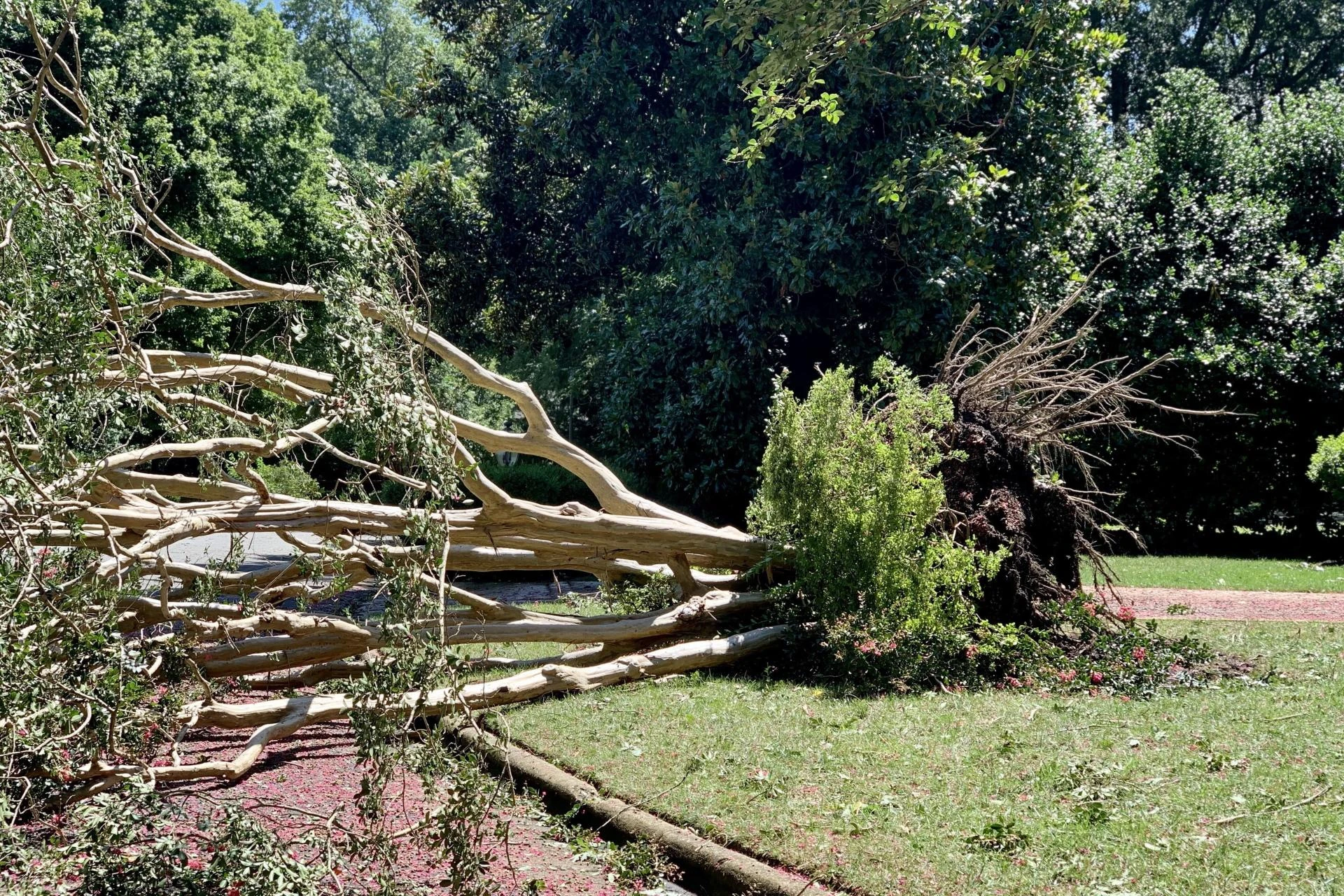

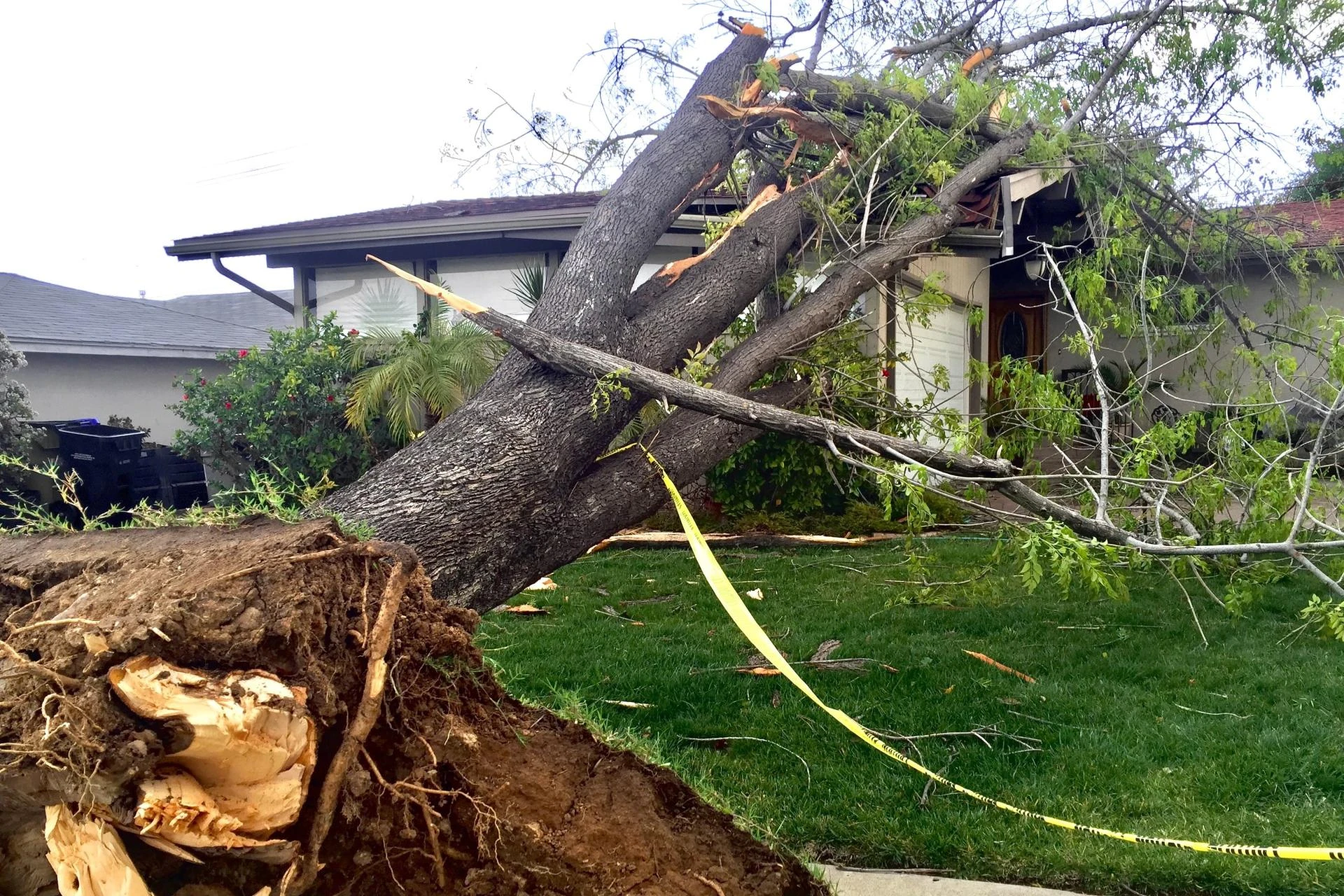
Storms can leave trees severely compromised, with damage that extends beyond the obvious broken branches and uprooted trunks. Hidden structural weaknesses, damaged roots, and compacted soil can put trees at risk for long-term decline if not treated carefully. Skilled arborists use advanced methods to address storm damage, ensuring trees regain their stability, health, and resilience. Their expertise makes a significant difference in both immediate recovery and long-term tree care. An arborist can ensure that trees are given the best chance to recover and thrive especially in areas requiring storm cleanup in Asheville after Hurricane Helene.
Comprehensive Evaluations for Storm-Damaged Trees
Accurately identifying the extent of storm damage is essential to protecting trees and surrounding properties. Arborists conduct detailed assessments to uncover visible damage like split branches or leaning trunks, as well as less obvious issues such as root instability. Their expertise helps pinpoint risks before they lead to more severe problems.
- Inspections focus on identifying fractures, exposed roots, and other vulnerabilities.
- Advanced diagnostic tools, such as resistographs, detect internal decay.
- Arborists prioritize safety for both the property and nearby structures during evaluations.
Targeted Pruning to Promote Healing
Pruning damaged trees after storms requires precision to avoid further stress and encourage healthy regrowth. Arborists use techniques that maintain the tree’s natural structure while removing compromised limbs. Proper pruning helps reduce risks of disease and enhances the tree’s ability to recover.
- Problematic branches are removed with careful cuts that prevent splitting.
- Strategic trimming restores balance and reduces wind resistance.
- Disease prevention methods include sealing large cuts to block infections.
Cabling and Bracing for Structural Integrity
Trees with significant damage often need additional support to recover safely. Arborists implement cabling and bracing techniques to stabilize weakened sections, protecting both the tree and the surrounding area from potential collapse. These reinforcements are carefully installed to work with the tree’s natural growth patterns.
- Cables are placed to support heavy branches at risk of breaking.
- Braces stabilize cracks or splits in trunks without impeding growth.
- Reinforcements ensure trees remain secure during future storms.
Revitalizing Soil Conditions for Tree Recovery
Storm-damaged soil can become compacted, cutting off essential oxygen and nutrients to the tree’s roots. Arborists focus on restoring soil quality to create an environment where trees can thrive again. Aeration, nutrient enrichment, and other soil care techniques play a vital role in tree recovery.
- Aerating compacted soil improves water infiltration and root expansion.
- Organic materials like compost are added to restore nutrient levels.
- Mulch is applied to regulate soil moisture and temperature.
Preventing Pest Damage to Recovering Trees
Damaged trees attract insects that can cause further harm by infesting exposed wood or spreading disease. Arborists take preventative measures to protect storm-affected trees from pests. Proactive care ensures trees can focus on healing without battling additional stressors.
- Exposed wounds are treated with professional-grade sealants to deter pests.
- Infested wood is removed promptly to prevent insect spread.
- Environmentally responsible pest management methods are implemented.
Replanting and Landscape Renewal After Storms
Sometimes, storm damage is too extensive for a tree to survive, making replanting necessary to restore the landscape. Arborists assist property owners in selecting resilient tree species and ensuring proper planting techniques for long-term success. This step helps re-establish the balance and beauty of the environment.
- Arborists recommend native or storm-resistant trees suited to local conditions.
- Planting focuses on establishing deep roots to enhance stability.
- Landscape designs consider tree placement for optimal growth and safety.
Ongoing Monitoring to Support Tree Recovery
Trees recovering from storm damage benefit from regular monitoring to track progress and address any emerging issues. Arborists provide follow-up inspections to adjust care strategies, ensuring trees regain their strength and are better prepared for future challenges. Monitoring helps safeguard the investment in storm recovery efforts.
- Progress evaluations focus on growth, stability, and overall health.
- Care plans are updated based on tree needs, such as additional pruning or soil treatments.
- Arborists provide advice for maintaining healthy trees over time.
The Importance of Arborists for Tree Service Storm Cleanup in Asheville
Storm cleanup is a complex process that requires expertise in tree care, safety measures, and long-term planning. Arborists bring a depth of knowledge that helps protect both the environment and surrounding properties. Their involvement ensures that storm-damaged trees recover effectively and safely.
- Arborists combine practical knowledge with advanced techniques for tree recovery.
- Services include preventative measures to reduce risks of future storm damage.
- Sustainable practices ensure minimal environmental impact during cleanup.
Key Takeaways for Tree Service Storm Cleanup in Asheville
- Professional evaluations reveal visible and hidden tree damage after storms.
- Techniques like pruning, cabling, and soil restoration support effective recovery.
- Arborists provide essential expertise to maintain tree health and safety over time.
Frequently Asked Questions About Tree Service Storm Cleanup in Asheville
What are the most common signs of storm damage in trees?
Common signs include cracked branches, leaning trunks, exposed roots, and areas where bark has been stripped or damaged. Internal damage, such as decayed wood, often requires professional tools to identify.
Can all storm-damaged trees be saved?
While many trees can recover with proper care, some damage may be too extensive for survival. Arborists assess each tree individually to determine whether recovery is possible.
How do cabling and bracing protect trees?
These methods provide structural support to weakened areas, reducing the risk of collapse and allowing the tree to regain strength over time. They are especially useful for trees with heavy branches or splits in the trunk.
Why is restoring soil important after a storm?
Healthy soil is critical for root function and nutrient uptake. Storms often compact soil, limiting these processes. Restoring soil quality ensures trees have the resources they need to recover and grow.
What happens to debris during storm cleanup?
Arborists recycle as much debris as possible, turning wood into mulch or compost. Remaining material is responsibly disposed of to reduce waste and environmental impact.
Arborists play an invaluable role in helping trees recover from storm damage. Their expertise addresses both immediate risks and long-term health, ensuring that trees and landscapes regain their strength and vitality.





























Sign in to leave a comment.