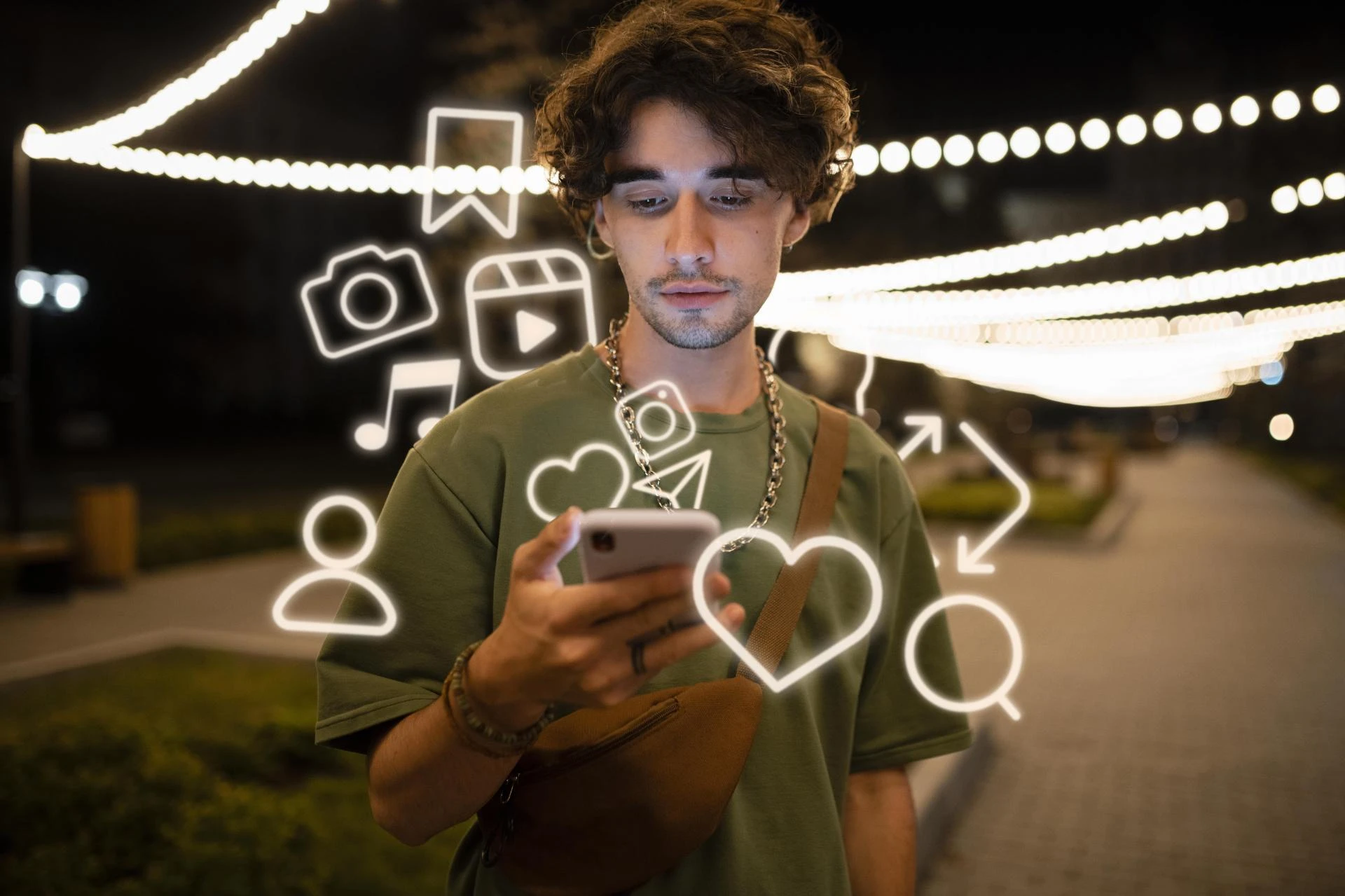
Social media is evolving all the time. What used to be basic text posts and profile pictures has developed into a platform that is influenced by automation, algorithms, and artificial intelligence. Among the most notable ones is the emergence of the AI influencer. They are computerized personas that have been developed by highly developed AI tools to look, speak, and act like those who are real.
Some are constructed to be creative and entertaining, but some are serious. With their increasing popularity, numerous individuals have begun to question the possibility of AI influencers becoming the new source of social media scams.
What Are AI Influencers?
AI influencers are artificial characters created through artificial intelligence. They are able to share pictures, videos, captions, and even comment back in a manner that seems natural and human. There are those that are obviously fictitious and those that are meant to appear nearly like real individuals. These profiles can gain huge followings and even score brand deals. Behind the majority of AI influencers, there are teams of marketers or developers who build their personality, appearance, and message carefully.
How AI Influencers Can Be Used for Deception
Not every AI influencer is bad, but the technology may be abused. Sometimes, completely artificial influencers are formed to advertise poor-quality products, deceptive services, or unsafe internet resources. Since the persona seems smooth and reliable, followers might be inclined to accept recommendations without doubting.
The other emerging issue is the application of AI to make copies of actual humans. Fraudsters are able to create convincing videos or images that seem to have been posted by a famous influencer or celebrity endorsing a product or an investment opportunity. Such fake endorsements may lead individuals to financial pitfalls, particularly in cases of urgency or exclusive deals.
Why Trust Is Easier to Exploit in the Age of AI
AI has brought scams to the next level. The technology has the ability to produce realistic faces, natural-sounding voices, and realistic storytelling. This realism complicates the ability of the user to discover whether an account is authentic or fake. Another benefit of AI influencers is that they are able to communicate with their followers frequently, establishing a spirit of familiarity and trust.
This is a strong emotional attachment. When individuals believe they are familiar with an influencer, they tend to respond to suggestions, follow links, or provide personal data. Fraudsters take advantage of such trust, and under the guise of AI accounts, they mask their ill intentions.
Warning Signs to Watch For
It is possible to see indications that an AI influencer is involved in a scam. They involve the absence of transparency as to who owns the account, the repetition of get-rich-quick schemes, pressure to take the discussion off the platform, or links to unrecognized websites. When an endorsement seems in a hurry or guaranteed, one must be suspicious.
How to Protect Yourself in a World Powered by AI
AI influencers do not necessarily pose a threat. A lot of them are utilized in a responsible and innovative way. But with the development of technology, the scams are also developing. Being safe implies doubting what you observe, checking things on your own, and learning to remember that trust is a commodity that can be manufactured easily over the internet.
AI might be transforming social media, but awareness and critical thinking are the best factors that can be used to combat deception.









Sign in to leave a comment.