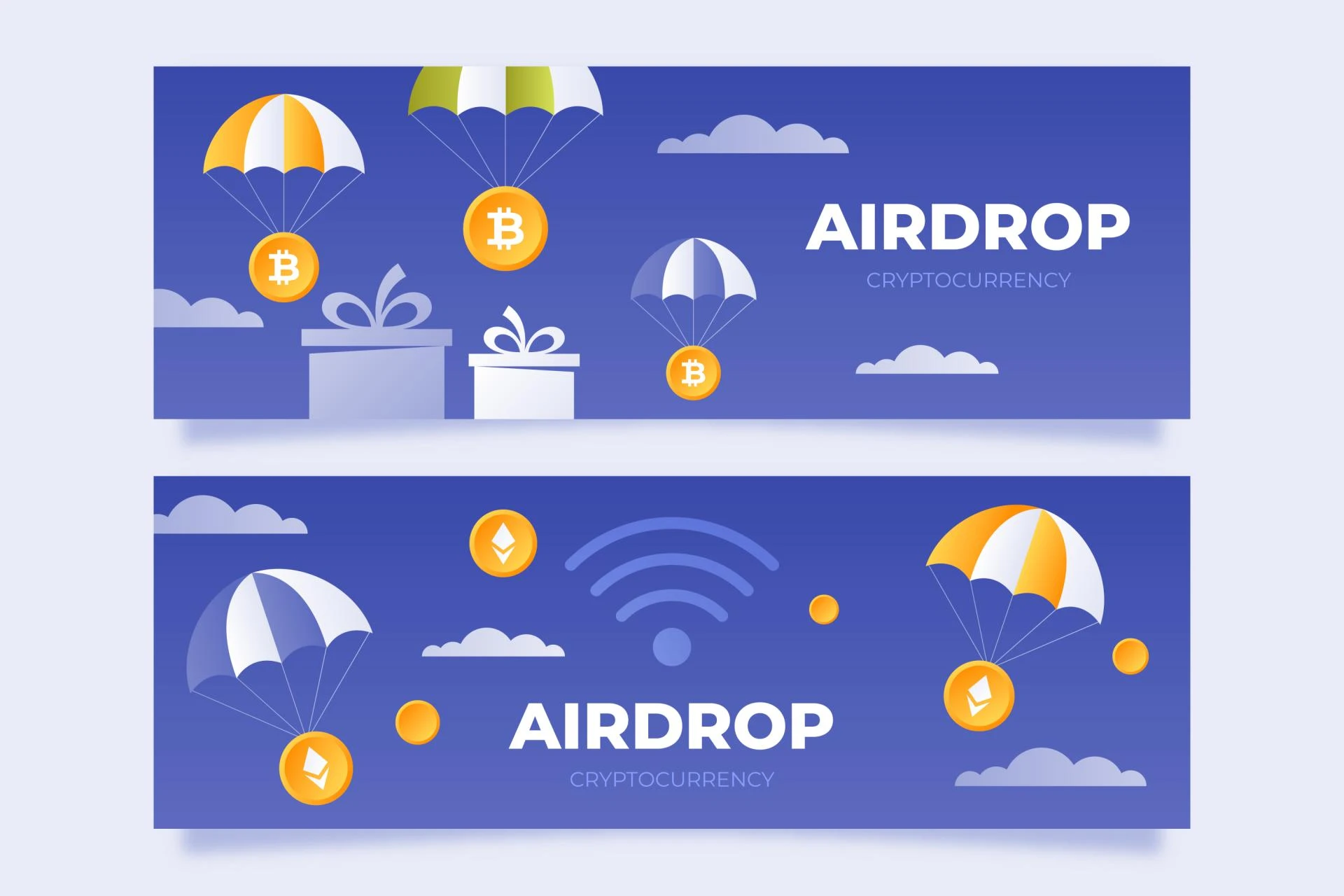
Airdrop Cryptocurrency and token launches are exciting. In other cases, projects will reward users with free tokens. On other occasions, the scammers promise free crypto and defraud individuals by taking their money and keys. There are posts of fake airdrops and token promos all over social media. It is important to know how to identify them in case you are an active part of the crypto world.
What Are Crypto Airdrop Scams?
A crypto airdrop scam refers to the practice of scammers pretending to provide free tokens or new digital coins so that people will provide them with sensitive information or connect their wallets or even transfer funds.
In contrast to real airdrops that are free and do not entail complex tasks such as subscribing to a channel or possessing some kind of tokens, the scam airdrops are designed to steal from you. They may require you to pay a fee, give personal keys, or visit a false web address that empties your pockets.
These scams have become more prevalent over the years as social media platforms such as X, Telegram, Discord, and Instagram have been used as a medium to post promos. Even star accounts were being hacked to post fake token giveaways, which deceived fans into clicking on a scam in late 2025.
Common Red Flags of Fake Airdrops
Here are simple, actionable ways to spot a fake token or airdrop on social media:
1. Upfront Payments or Fees
Legitimate airdrops never ask for money. If a post says you must send ETH, BTC, or any crypto to “claim” your free tokens, it’s a scam. True airdrops are free by definition.
2. Requests for Private Keys or Seed Phrases
No real project will ever ask for your private keys or seed phrase. That information gives full access to your wallet. Sharing it is effectively handing over your crypto.
3. Unrealistic Rewards
Watch out for such promises as Earn $50,000 in FREE tokens with a single click. When the statement sounds so good, it is almost always so. Fraudsters take advantage of enormous amounts of money to attract people in a fast manner.
4. Phishing Web Addresses or Fake Websites
Practically, scam sites put in addresses that are similar to those of the actual ones, but with some slight variations. You should also always triple-check domain names and do not ever trust links that are provided directly out of social media posts without checking on your own.
5. Poor Grammar and Urgent Language
Fake airdrop posts often use phrases like “Only 10 spots left!” or “Click now before it’s gone!” along with spelling mistakes and bad formatting. While not always proof of a scam, they are common warning signs.
6. Anonymous Teams or No Track Record
Legitimate crypto projects usually list team members, advisors, and real people with verifiable history. Scam projects tend to hide behind anonymous profiles and fake photos.
7. Excessive Smart Contract Permissions
If a site requests unlimited token approvals or wide wallet access just to “claim” tokens, stop. That permission alone can allow scammers to move your assets out of your wallet.
How Scammers Spread These Offers on Social Media
Fraudsters post on numerous social media platforms to showcase bogus adverts:
- Hacked verified accounts: Accounts that are legit influencer or celebrity accounts with a significant number of followers are hacked and used to advertise scams.
- Imitated project profiles: There can be minor variations in the name of the user or logo in copycat profiles.
- Phishing sponsored ads: Sometimes phishing sponsored ads look like paid placements on social media, and the user must click on them before realising their destination.
Final Thoughts
Cryptocurrency is growing rapidly, and fraudsters will keep evolving. Fraudulent tokens and social media airdrops are based on the aspects of trust, urgency, and the feeling of a lack of something. Such scams have been effective since they appear quick, effortless, and alluring. However, it is too late after one gets associated with a wallet, signs a dangerous deal, or remits money towards a claim fee.
Check whether the project has a real history, real updates, and real community discussions. Look closely at the link. Look at the permissions it asks for. A few minutes of checking can protect months or even years of savings. Crypto is full of opportunities, but it rewards people who stay alert.




















Sign in to leave a comment.