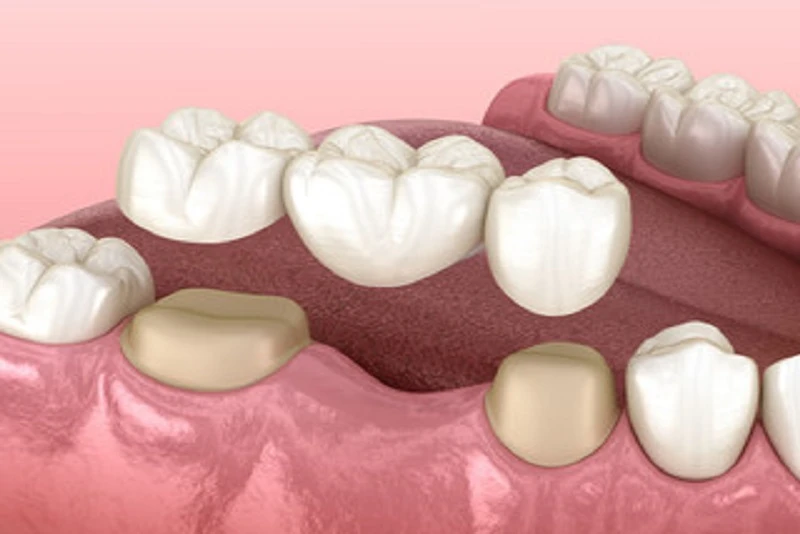

Getting a dental crown is one of the most common restorative procedures in modern dentistry. Whether you’ve cracked a tooth, had a large cavity filled, or undergone a root canal, a crown can restore your tooth’s shape, strength, and function. But for many patients, especially those new to the procedure, one question lingers: Is getting a dental crown painful? Let’s explore the truth behind the process and what to expect during recovery.
Understanding the Dental Crown Process
If you’re considering a dental crown in Ingleside, it’s helpful to know exactly what the procedure entails. A dental crown is essentially a custom-made cap that covers a damaged or weakened tooth. It restores the tooth’s original shape, protects it from further damage, and can also improve its appearance.
At Palm Tree Dental, the procedure usually begins with an initial consultation, followed by two visits. During the first visit, the dentist will examine your tooth, possibly take X-rays, and prepare the tooth by shaping it to fit the crown. A temporary crown is placed while your permanent one is custom-fabricated in a dental lab. On the second visit, the final crown is cemented into place.
Does the Procedure Hurt?
It’s a common concern—will it hurt? The good news is that the procedure itself is generally not painful. Dentists use local anesthesia to numb the area being treated, ensuring that you feel little to no discomfort during the actual work. Most patients report feeling pressure or slight vibration from the dental tools, but not pain.
If your crown is part of a root canal treatment, the nerves in the tooth have likely been removed, so there won’t be any sensation from the tooth itself. In cases where the tooth hasn’t undergone a root canal, anesthesia still provides effective pain control.
What to Expect After the Procedure
Once the anesthesia wears off, it’s normal to experience some mild soreness or sensitivity around the crowned tooth. This discomfort usually results from the gum tissues adjusting or from the tooth itself reacting to the crown placement. The good news? It’s temporary.
You might feel:
- Sensitivity to hot or cold foods
- A dull ache in the jaw from keeping your mouth open
- Slight irritation from the temporary crown
These symptoms typically fade within a few days. Over-the-counter pain relievers like ibuprofen or acetaminophen can help manage any post-procedure discomfort.
Tips for a Smooth Recovery
Recovering from a dental crown procedure doesn’t require a long healing period, but a few simple steps can ensure you stay comfortable and avoid complications.
Stick to softer foods for the first 24 hours after the crown placement. This gives your tooth time to adjust without unnecessary pressure. Avoid sticky or hard foods that could dislodge a temporary crown or put stress on the new one.
Practice good oral hygiene, brushing gently around the crowned tooth and flossing with care. Even though the crown is artificial, the tooth underneath still needs protection from decay and gum disease.
If your bite feels “off” or if you continue to experience discomfort beyond a week, schedule a follow-up appointment. Your dentist may need to make slight adjustments to ensure the crown fits perfectly.
Long-Term Comfort and Function
Once the tooth has fully adjusted, most patients forget they even have a crown. It functions just like a natural tooth, allowing you to chew and speak without restriction. Modern crowns are designed to blend seamlessly with your surrounding teeth, so there’s no need to worry about appearance either.
Dental crowns are durable and can last anywhere from 10 to 15 years—or even longer—with proper care. Regular checkups and professional cleanings will help maintain both the crown and your overall oral health.
When to Call Your Dentist
While discomfort after a crown is normal, there are some situations where it’s best to consult your dentist:
- Persistent or sharp pain
- The crown feels loose or moves
- Swelling around the tooth or gum
- Signs of infection such as fever or pus
These could indicate that something isn't right, and your dentist can provide the appropriate treatment to address the issue promptly.
Final Thoughts
The thought of getting a dental crown might seem intimidating, especially if you’re concerned about pain. However, the procedure is designed to be as comfortable and efficient as possible. Thanks to modern techniques, anesthesia, and expert care, the process is relatively painless—and the benefits are long-lasting.
At Palm Tree Dental, we focus on making every dental experience smooth and stress-free for our patients. If you're in the Ingleside area and need a crown or have questions about your dental health, our team is here to help you feel confident and cared for every step of the way.


























Sign in to leave a comment.