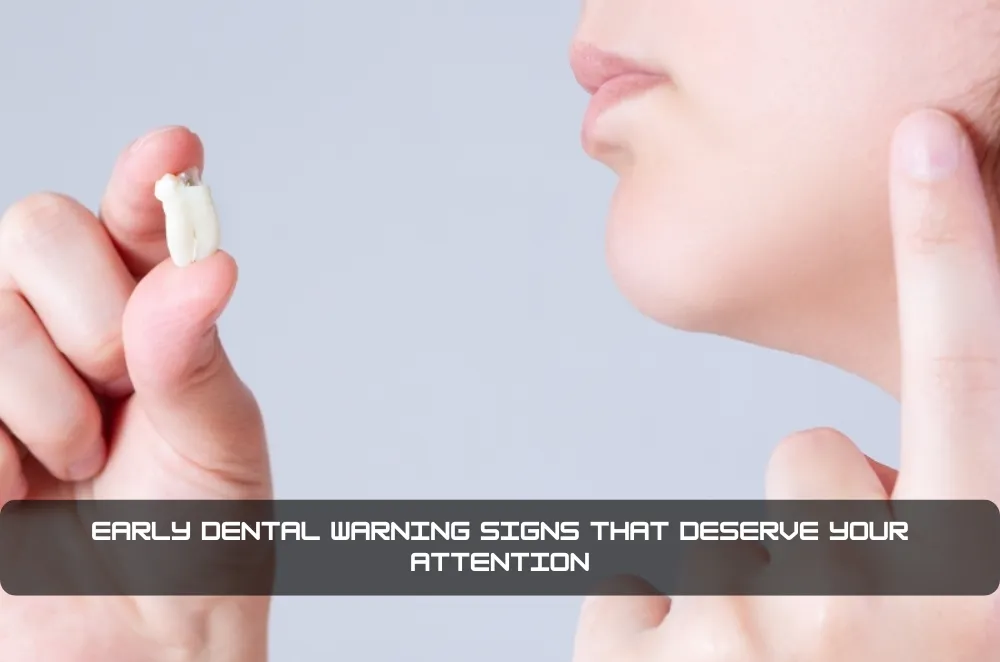

Mild tooth sensitivity on a winter morning. A faint line on the enamel that wasn’t there last month. These details are easy to wave away, yet they often hint at problems that can snowball into painful—and pricey—treatment plans. Booking in for comprehensive dental services sooner rather than later keeps those small issues from claiming a much bigger slice of your calendar down the track.
Why Minor Changes Matter More Than You Think
Teeth and gums rarely shout for help straight away. Early decay, for instance, can sit quietly under microscopic surface breakdown for months. By the time an obvious cavity appears, bacteria may already have claimed the inner dentine. The same goes for gum disease; bleeding on the brush might look harmless, yet low-grade inflammation is busy undermining the bone that anchors each tooth.
Tiny cracks, surface stains, and short flashes of temperature sensitivity deserve a closer look because:
- Enamel doesn’t regenerate—once it’s lost, only restorations can rebuild shape and strength.
- Gum tissue shrinks away from chronic irritation, exposing sensitive root surfaces.
- Untreated micro-fractures let in bacteria, increasing the risk of infection around the nerve.
None of these processes reverse themselves without intervention, and the longer they’re ignored, the more complex that intervention becomes.
Everyday Habits That Quietly Undermine Oral Health
Sydney’s café culture and love of outdoor sport feed a lifestyle that’s fantastic for morale but occasionally rough on teeth. A mid-morning flat white or bottle of sports drink gives sugar and acid plenty of scope to soften enamel. Add in the grit blown around by summer nor’easters and it’s easy to see why abrasive brushing can accelerate wear.
It pays to keep an eye on:
- Frequent grazing—saliva has less time to neutralise acid after each snack.
- Brushing straight after acidic drinks—enamel is weakest during the first 20 minutes.
- DIY whitening kits—high-strength gels, if misused, can inflame gums and roughen enamel.
For a deeper dive into how professionals tackle these challenges day-to-day, the clinic’s own detailed overview of dental services breaks down preventative, restorative, and cosmetic options and the reasoning that underpins each one.
Checking Technique, Not Just Tools
Switching to a soft-bristled brush or lower-abrasion toothpaste helps only if technique follows suit. Angle the brush at 45 degrees to the gumline and use small circular motions; scrubbing back and forth wears grooves into the tooth neck and pushes bacteria-laden plaque below the gum margin. Electric brushes can help maintain a gentle rhythm, yet they’re not a free pass—two minutes, twice a day, still matters.
When a Twinge Signals Trouble
A fleeting zing from cold water might be nothing more than last night’s ice-cream aftermath. If it lingers or happens daily, though, that’s the enamel waving a distress flag. Sensitivity often tracks back to one of three issues:
- Enamel loss from frequent acid exposure.
- Receding gums uncovering porous root dentine.
- A crack propagating towards the nerve.
While over-the-counter desensitising paste can settle mild cases, continued symptoms usually need professional assessment and possibly a radiograph to rule out hidden decay or hairline fractures.
Small Repair vs Extensive Rebuild
The earlier a clinician intercepts the problem, the simpler the fix. This comparison lays out typical next steps.
| Early Sign | Likely Cause | Minimal Intervention | Delayed Intervention |
|---|---|---|---|
| Occasional cold sensitivity | Initial enamel wear | Remineralising treatment, dietary tweaks | Large composite or ceramic restoration |
| Pink tinge in toothbrush foam | Surface gum inflammation | Scale and polish, home floss review | Periodontal therapy, potential bone graft |
| Faint craze line | Night-time grinding | Custom night guard | Onlay or crown, root canal if fracture deepens |
A check-up every six months in 2026 remains the gold standard, but call earlier if any box in the left column looks familiar.
What to Expect During a Comprehensive Examination
Many people picture a check-up as a quick mirror flick and polish. In reality, a modern appointment resembles a mini health audit:
- Visual screening: looking for surface changes, soft-tissue lesions, and early decay spots that don’t yet trap food.
- Periodontal charting: measuring pocket depth around each tooth to track gum health over time.
- Radiographs: low-dose images uncover decay between teeth and early bone changes invisible to the naked eye.
- Occlusal assessment: checking bite forces that might crack fillings or veneers.
Data gathered during this session guides tailored home care advice—everything from fluoride concentration to flossing tools that suit dexterity or orthodontic appliances.
Preventative Strategies That Pay Off in the Long Run
Fluoridated tap water across NSW already gives enamel a baseline defence. Layering on custom strategies makes that defence personal:
– Swap fruit juice for whole fruit; chewing stimulates saliva, which buffers acids better than sipping sweet liquids.
– Keep sugar hits to mealtimes rather than spacing them across the day.
– Use a remineralising mousse if your dentist flags early demineralisation—these creams top up calcium and phosphate while you sleep.
Local health funds often include an annual preventative allowance. Claiming it for a clean and fluoride treatment is not just cosmetic; the visit uncovers brewing problems before they demand surgical intervention.
The Role of Professional Guidelines
Industry best practice doesn’t come from guesswork. Dentists across Australia calibrate their protocols against guidance from the Australian Dental Association, which sets evidence-based recommendations for recall intervals, radiation safety, and infection control. Patients benefit directly when clinics align with these standards—appointments run efficiently, risk is lower, and treatment planning stays transparent.
Care pathways continue to evolve as research links oral and systemic health more closely. For example, the ADA now emphasises periodontal monitoring for patients managing diabetes or cardiovascular disease, recognising the two-way relationship between chronic inflammation in the mouth and the rest of the body.
Ready to take the next step? Visit our Learn more to find out more.
Bringing It All Together
Spotting trouble while it’s still reversible is the simplest path to pain-free, cost-effective dental care. Whether it’s a slight colour change, low-grade sensitivity, or occasional gum bleeding, take those first hints seriously. With consistent daily habits, an evidence-based examination, and the right professional input, most issues stay small—and your future self keeps smiling without the drama of complex restorative work.





























Sign in to leave a comment.