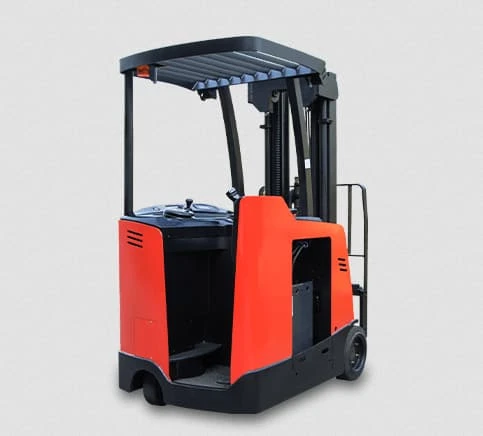

The warehousing and logistics industry has undergone a remarkable transformation in recent decades, driven by technology and innovation. As businesses seek greater efficiency, speed, and safety in their operations, automation has become a defining factor in shaping modern warehouses. Among the many tools central to this shift, forklift trucks stand out as a cornerstone of material handling. With their proven reliability and adaptability, they are not only indispensable today but also poised to play a vital role in the automated warehouses of the future.
The Evolution of Forklift Trucks in Warehousing
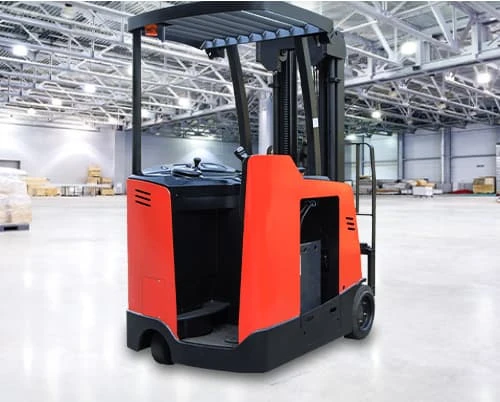
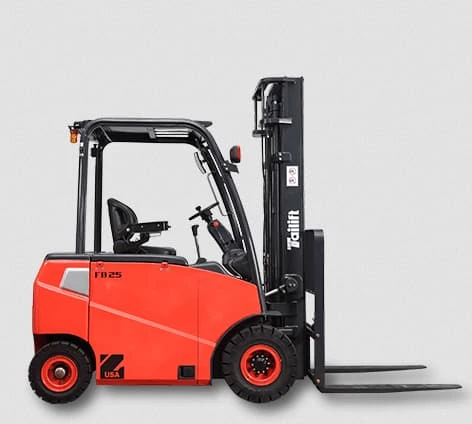
Forklift trucks were first introduced to handle heavy lifting, stacking, and transporting goods within warehouses and distribution centers. Over time, their role expanded to match the demands of increasingly complex supply chains. They evolved from being simple load carriers to versatile machines capable of operating in diverse environments, from narrow aisles to expansive outdoor yards. This adaptability has made forklift trucks one of the most valuable assets in material handling, and their continuous enhancement ensures they remain relevant in a rapidly changing industry.
Integration with Automated Systems
One of the key drivers of modern warehousing is automation. Businesses are turning to technology to streamline workflows, minimize human error, and increase productivity. Forklift trucks fit seamlessly into this trend, as many are now designed to complement automated warehouse systems. Whether working alongside conveyor belts, robotic arms, or automated storage systems, forklift trucks remain central to the flow of goods. Their role in loading, unloading, and transporting materials makes them a critical link between traditional manual processes and fully automated solutions.
Enhancing Safety Through Modern Design
Safety is a top priority in any warehouse setting, and modern forklift trucks are built with advanced safety features that align with the demands of automation. From improved ergonomics for operators to integrated stability systems, these machines are designed to minimize risk while maximizing efficiency. Safety features not only protect operators but also ensure smooth interaction between forklift trucks and other automated systems in the warehouse. This emphasis on safety underscores why forklift trucks remain vital in both manual and automated environments.
Flexibility in Automated Warehousing
Unlike fixed automation solutions, forklift trucks offer flexibility. They can be quickly deployed to meet changing operational needs, handle varying load types, and adapt to different warehouse layouts. This adaptability makes them invaluable in automated settings where demand fluctuates or space is limited. While automation provides consistency, forklift trucks deliver versatility, ensuring that warehouses can respond effectively to real-time challenges. This balance of automation and flexibility is key to creating resilient supply chains.
Supporting Productivity and Efficiency
Automated warehouses are designed to move products faster and more accurately, and forklift trucks play an essential role in supporting this goal. By reducing the time required for material handling tasks, forklift trucks ensure that goods are moved quickly and efficiently. Their integration with technology further enhances this productivity, enabling smoother transitions between automated systems and human-led tasks. As warehouses grow more complex, forklift trucks continue to serve as reliable engines of efficiency.
Sustainability and Energy Efficiency
Sustainability is an increasingly important factor in modern warehousing, and forklift trucks have adapted to meet this challenge. Many are designed with energy-efficient features, reducing environmental impact while maintaining strong performance. Their role in supporting sustainable operations makes them even more relevant in the future of automated warehousing, where businesses prioritize both productivity and responsibility. Forklift trucks not only contribute to streamlined operations but also align with broader goals of reducing emissions and conserving energy.
The Human Element in Automation
Even as warehouses move toward greater automation, the human element remains critical. Forklift trucks bridge this gap by enabling operators to work effectively with automated systems. Trained operators, supported by machines built with advanced features, ensure that warehouses achieve both safety and efficiency. This collaboration highlights the importance of forklift trucks not just as tools, but as enablers of harmony between people and technology in the workplace.
The Future Role of Forklift Trucks
Looking ahead, forklift trucks are expected to continue evolving alongside automated warehouse solutions. Their ability to adapt, integrate, and perform reliably ensures they will remain an essential part of material handling. As automation expands, forklift trucks will likely become even more advanced, incorporating features that enhance connectivity, precision, and safety. Their future lies not in being replaced by automation, but in working in tandem with it to create smarter, more efficient warehouses.
Building a Strong Foundation for Automation
For businesses preparing for the future of warehousing, forklift trucks provide a solid foundation. They ensure smooth day-to-day operations while supporting the transition toward more advanced automation. Their versatility, safety features, and adaptability make them ideal for warehouses of all sizes and industries. Whether used in highly automated environments or in facilities that are just beginning to adopt automation, forklift trucks remain indispensable to success.
Conclusion
Forklift trucks have long been essential to warehousing and logistics, and their importance is only set to grow as automation continues to reshape the industry. They provide the flexibility, reliability, and safety needed to complement automated systems, ensuring that operations run smoothly in both traditional and technology-driven environments. By bridging the gap between human expertise and automated processes, forklift trucks secure their place as a cornerstone of the future warehouse. For businesses seeking dependable solutions that combine innovation, safety, and efficiency, Tailift Material Handling USA Inc delivers the expertise and equipment to support every stage of their material handling journey.


























Sign in to leave a comment.