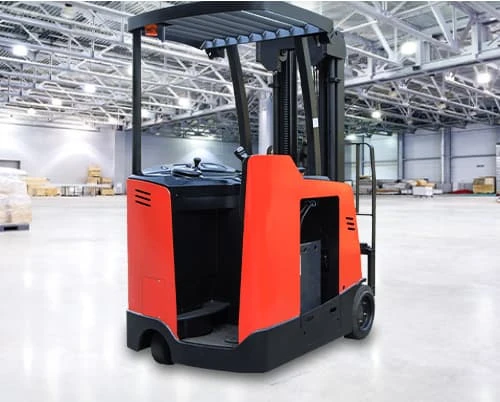

Safety is one of the most critical priorities in any warehouse, manufacturing plant, or distribution center. Among the many factors that influence workplace safety, equipment condition stands out as one of the most important. A forklift is a powerful machine that operates in close proximity to people, inventory, and infrastructure. Without proper care, it can quickly become a serious hazard. This is why a structured and consistent forklift service schedule is not just a recommendation but a necessity.
Regular forklift service plays a vital role in preventing accidents, reducing downtime, and ensuring compliance with safety standards. This article explains why maintenance schedules are essential for forklift safety and how businesses can benefit from a proactive service approach.
Understanding the safety risks of poorly maintained forklifts
A forklift that is not properly serviced can expose workers and operations to significant risks. Understanding these risks highlights why regular forklift service is essential.
Common hazards caused by neglected maintenance
When maintenance is delayed or ignored, small issues can turn into dangerous failures. Common hazards include brake malfunctions, steering problems, hydraulic leaks, and worn tires. These issues increase the likelihood of collisions, dropped loads, and tip overs.
Electrical problems in electric forklifts or engine issues in fuel powered units can also lead to sudden loss of power during operation. Such unexpected failures put operators and nearby workers at risk.
Impact on operators and surrounding personnel
Forklifts often operate in busy environments where pedestrians, racks, and other vehicles are nearby. A mechanical failure can result in injuries not only to the operator but also to coworkers in the surrounding area.
Regular forklift service ensures that safety systems function as intended, reducing the chance of accidents and creating a more secure work environment.
The role of preventive maintenance in forklift safety
Preventive maintenance is the foundation of effective forklift service. Rather than reacting to breakdowns, preventive service focuses on identifying and resolving issues before they escalate.
Early detection of mechanical issues
Scheduled inspections allow technicians to spot worn components, leaks, or misalignments early. Addressing these problems promptly prevents sudden equipment failure during operation.
Early detection also reduces the stress placed on other components, helping the forklift maintain stable and predictable performance.
Extending equipment lifespan safely
A forklift that receives regular service operates within its designed performance limits. This reduces excessive strain on critical parts such as the mast, forks, brakes, and drive system.
By maintaining these components properly, businesses extend the usable life of the forklift while ensuring it remains safe throughout its service years.
Ensuring compliance with safety regulations
Many workplaces are subject to strict safety regulations regarding material handling equipment. Regular forklift service supports compliance and reduces legal and financial risks.
Meeting workplace safety standards
Safety authorities often require forklifts to be maintained according to manufacturer guidelines. Failure to follow these requirements can result in fines, penalties, or operational shutdowns.
A documented forklift service schedule demonstrates due diligence and commitment to workplace safety, which is valuable during inspections or audits.
Reducing liability in case of accidents
In the event of an accident, maintenance records play a crucial role. Regular service documentation shows that the business took reasonable steps to maintain safe equipment.
This can reduce liability exposure and support insurance claims, protecting the business from costly legal consequences.
Improving operator confidence and awareness
Safety is not only about equipment condition but also about how operators interact with forklifts. Regular forklift service contributes to operator confidence and better decision making.
Reliable equipment promotes safer behavior
Operators are more likely to focus on their surroundings and tasks when they trust the forklift they are using. When equipment responds smoothly and predictably, operators can maneuver safely and accurately.
In contrast, unreliable forklifts cause hesitation, overcorrection, and increased stress, all of which raise the risk of accidents.
Reinforcing a safety focused culture
Routine service reinforces the message that safety is a priority. When operators see that forklifts are consistently inspected and maintained, they are more likely to report issues and follow safety procedures.
This shared responsibility strengthens the overall safety culture within the organization.
Reducing downtime without compromising safety
Some businesses delay forklift service to avoid downtime. In reality, regular maintenance reduces unplanned downtime while improving safety.
Preventing unexpected breakdowns
Breakdowns often occur at the worst possible time, disrupting operations and increasing risk. A forklift that fails during lifting or transport can create immediate hazards.
Scheduled forklift service minimizes these surprises by keeping equipment in reliable working condition.
Planning service around operations
Maintenance schedules can be planned during low activity periods or shift changes. This allows businesses to maintain safety standards without interrupting productivity.
Proactive planning ensures that safety and efficiency work together rather than competing against each other.
Protecting critical forklift components
Certain forklift components play a direct role in operator and workplace safety. Regular service ensures these parts function correctly.
Brakes and steering systems
Brakes and steering are essential for controlling the forklift. Worn brake pads, leaking hydraulic lines, or misaligned steering systems compromise stopping distance and maneuverability.
Routine forklift service includes inspection and adjustment of these systems, ensuring consistent and safe control.
Mast, forks, and lifting mechanisms
The mast and forks support heavy loads at height. Cracks, bends, or worn chains can cause loads to drop unexpectedly.
Regular inspections during forklift service identify structural issues early, preventing dangerous load handling incidents.
Tires and stability components
Tires affect traction, balance, and load stability. Worn or damaged tires increase the risk of slipping or tipping, especially on uneven surfaces.
Forklift service includes tire inspections and replacements as needed, supporting stable and safe operation.
Enhancing safety through documentation and records
Maintenance records are a valuable safety tool that supports both daily operations and long term planning.
Tracking service history
Detailed records help businesses monitor patterns such as recurring issues or component wear rates. This information supports better maintenance planning and equipment replacement decisions.
Tracking forklift service history also ensures that no critical inspections are missed.
Supporting training and accountability
Maintenance records can be used during operator training to highlight common issues and safety concerns. They also promote accountability by showing that safety responsibilities are taken seriously at all levels.
This transparency reinforces trust between management and operators.
The connection between forklift service and emergency preparedness
Regular forklift service also supports preparedness for unexpected situations.
Reducing emergency response risks
A well maintained forklift is less likely to fail during emergencies such as evacuations or urgent material handling tasks. Reliable equipment ensures that operators can respond safely when time is critical.
Supporting consistent safety performance
Consistency is key to safety. Forklift service ensures that performance remains stable across different shifts and operators, reducing variability that can lead to accidents.
Long term safety and cost benefits
While safety is the primary goal, regular forklift service also delivers financial benefits that support sustainable operations.
Lower accident related costs
Workplace accidents result in medical expenses, compensation claims, and lost productivity. Preventing accidents through proper forklift service reduces these costs significantly.
Preserving equipment value
A forklift that is regularly serviced retains higher resale or trade in value. This allows businesses to recover more of their investment when upgrading equipment.
Maintaining safety and value go hand in hand through consistent service practices.
Conclusion
Regular maintenance schedules make forklift service essential for safety because they prevent accidents, protect operators, and ensure compliance with workplace regulations. Through preventive inspections, timely repairs, and detailed documentation, businesses create a safer environment while supporting reliable operations. A proactive forklift service strategy reduces risks, improves confidence, and delivers long term value.
For businesses seeking dependable service support and a strong commitment to safety, Tailift Material Handling USA Inc provides the expertise and solutions needed to keep forklift operations safe and efficient.

















Sign in to leave a comment.