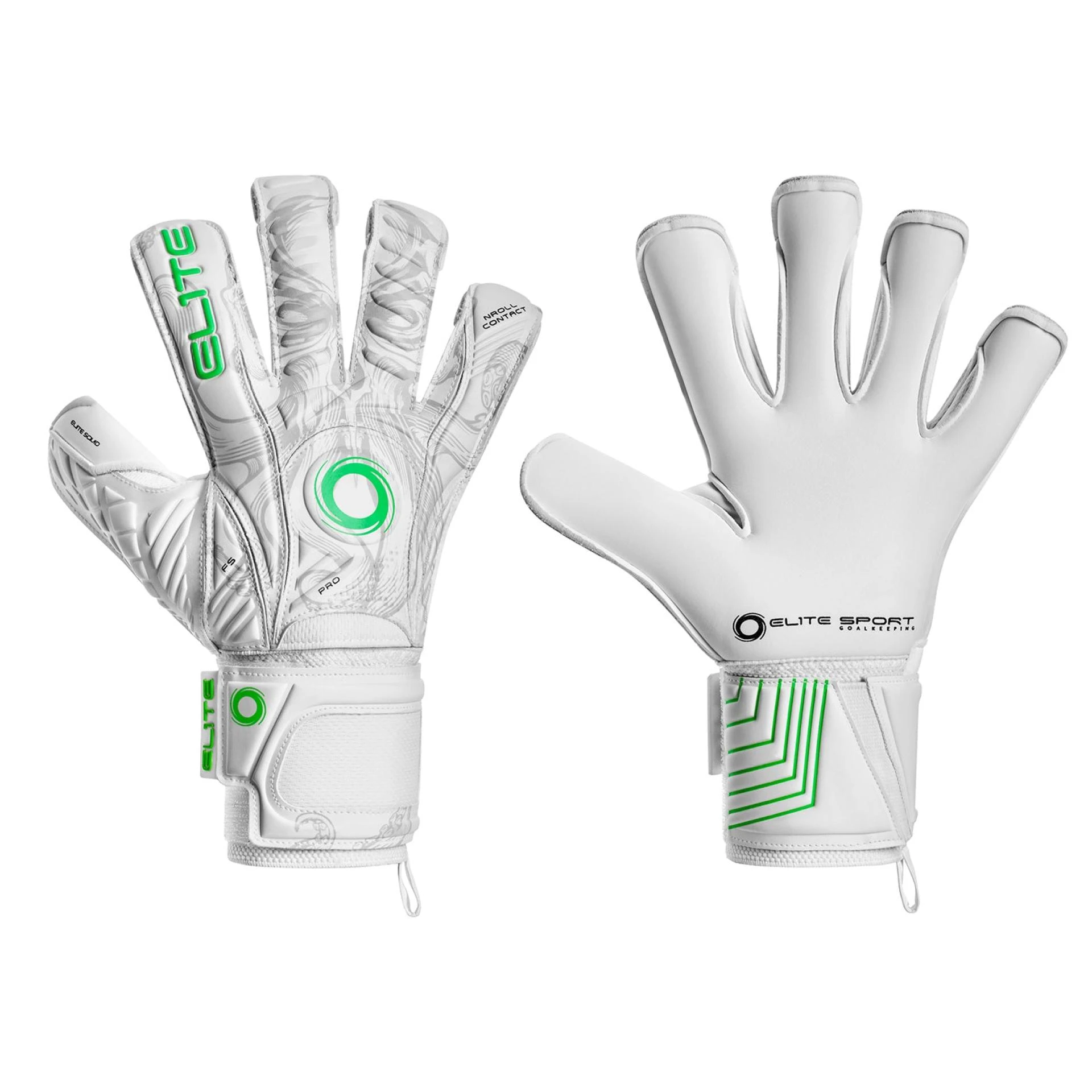

If you're a goalkeeper, you already know your gloves aren't just part of the uniform — they're a vital tool. They protect your hands, enhance your grip, and give you the confidence to dive, block, and catch under pressure. But not all gloves are suited for every surface. When it comes to playing on turf, having the right pair makes a big difference. That’s where artificial grass goalkeeper gloves come in.
Unlike natural grass, artificial turf is tougher on equipment. The surface is firmer, the texture is rougher, and sliding across it wears gear down faster. That’s why goalkeepers who train or play regularly on turf need gloves designed specifically for that environment. Regular gloves just won’t cut it — they’ll break down faster and won’t offer the same level of protection or performance.
Why Artificial Turf Requires Special Gloves
Turf changes the game. The pace is faster, the bounce is sharper, and the friction is much more aggressive. Standard gloves, especially those made for natural grass, simply aren’t built to withstand the abrasive nature of synthetic pitches. That’s exactly why artificial grass goalkeeper gloves exist — they’re designed with extra durability in mind without compromising grip or control.
These gloves use stronger materials that hold up against turf’s harsh texture. The palms are often reinforced with more resilient latex or hybrid compounds that last longer through slides and dives. On top of that, the overall structure is more rugged — from the stitching to the padding — making them a reliable choice for the demands of artificial surfaces.
Key Features of Artificial Grass Goalkeeper Gloves
So, what sets artificial grass goalkeeper gloves apart from regular ones? It all comes down to how they’re built. These gloves are made to survive repeated contact with abrasive turf while still helping you perform at your best.
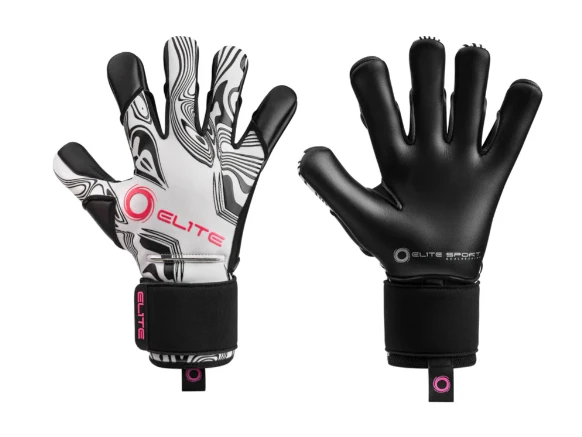
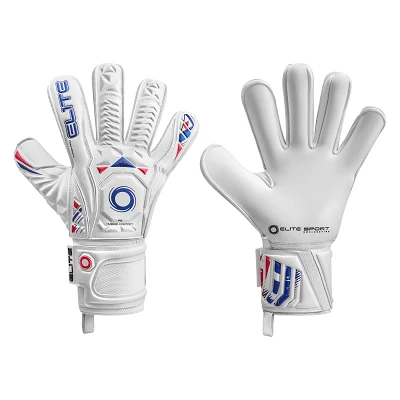
The palm is the star of the show here — you’ll find it’s tougher, more resistant to tearing, and designed to maintain its grip even after constant wear. Many models also use special latex blends that offer a solid balance between grip and durability, which is essential for goalkeepers who want reliable control in every game.
But it’s not just the palms. The backhand on these gloves is often more padded to absorb impact, and the finger compartments offer solid support without feeling bulky. These features make artificial grass goalkeeper gloves ideal not just for matches but also for intense training sessions.
Who Should Be Using These Gloves?
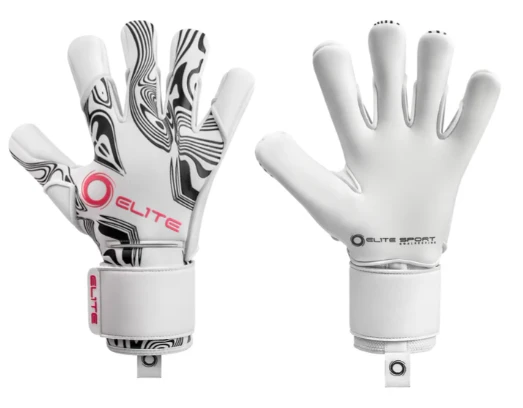
If you’re playing on turf regularly — whether it’s matches, practice, or pick-up games — artificial grass goalkeeper gloves should be your go-to. It doesn’t matter if you’re playing competitively or recreationally. Turf eats through regular gloves quickly, so using gloves designed for that surface will save you time, money, and stress.
Many goalkeepers keep two separate pairs of gloves: one for natural grass and one for synthetic turf. Some even reserve their turf gloves just for training to extend the life of their match gloves. It’s a smart strategy, especially if you’re diving, punching, and sliding several times a week.
Training on turf with the wrong gear can also lead to hand fatigue or increased risk of cuts and abrasions. That’s another reason to stick with gloves made specifically for the job — they keep you protected while helping you stay sharp between the posts.
Taking Care of Turf Gloves the Right Way
Just because artificial grass goalkeeper gloves are built tougher doesn’t mean they don’t need care. In fact, maintaining them properly will help you get the most out of each pair. After each session, rinse off any turf pellets or dirt using cool water. Avoid hot water, detergents, or bleach — those can damage the latex and shorten the life of your gloves.
Let them air dry in a shaded spot. Never toss them into a dryer or leave them in direct sunlight, as high heat can cause warping or cracking. Store your gloves flat or in a breathable glove bag to maintain their shape and freshness.
And here’s a bonus tip: bringing a damp towel to matches helps reactivate the palm’s grip mid-game, especially if the turf is dry or dusty.
Final Thoughts: Own the Turf, Own the Game
Artificial pitches are here to stay — and if you're playing on them, you need gloves that are up to the challenge. Artificial grass goalkeeper gloves are more than just a piece of gear. They’re your defense system, your grip enhancer, your comfort zone when the ball comes flying in.
Don’t risk using gloves that aren’t made for the surface under your feet. Invest in gloves that can handle the intensity of turf, protect your hands, and keep you playing at your highest level — day in and day out.
After all, the game doesn’t slow down for the pitch… and neither should you.



























Sign in to leave a comment.