
Energy pricing in Colorado is entering a new phase, and commercial property owners in Larkspur are paying close attention. Xcel Energy’s recent filings point to higher per kilowatt hour charges that will directly affect operating costs for offices, retail centers, industrial facilities, and multi-use buildings. Unlike past adjustments that leaned heavily on fixed fees, these changes increase the cost of every unit of electricity consumed. That distinction matters because it removes the ability to fully control expenses through efficiency alone.
In communities like Larkspur, Castle Rock, and the southern edge of Denver, growth is accelerating at the same time energy costs are becoming less predictable. Commercial owners are now forced to think beyond next year’s budget and focus on long range energy exposure. Solar is no longer framed only as a sustainability choice. It has become a practical response to rising utility rates and long-term cost control.
This article explores how higher utility charges reshape energy strategy, and how solar design, installation, maintenance, monitoring, and repair play a role in protecting commercial properties from ongoing rate pressure.
Xcel’s Higher Per Kilowatt Hour Charges and Why They Matter Locally
Xcel Energy’s proposed increases focus on volumetric pricing, meaning the cost rises based on how much electricity a building uses. For commercial properties in Douglas County, this creates a direct link between daily operations and monthly expenses. Every piece of equipment, lighting system, and HVAC cycle becomes more expensive to run.
In Larkspur, where many properties balance office use with light industrial or service operations, energy consumption tends to be consistent and difficult to reduce without impacting productivity. Castle Rock and nearby Denver suburbs face similar challenges, especially in newer commercial corridors designed for growth rather than minimal usage.
This pricing structure shifts the conversation from short term savings to long term planning. Instead of reacting to each bill increase, property owners are looking for ways to reduce their exposure to future rate changes altogether. That is where on site energy production enters the picture.
Solar Design and Installation as a Hedge Against Rate Increases
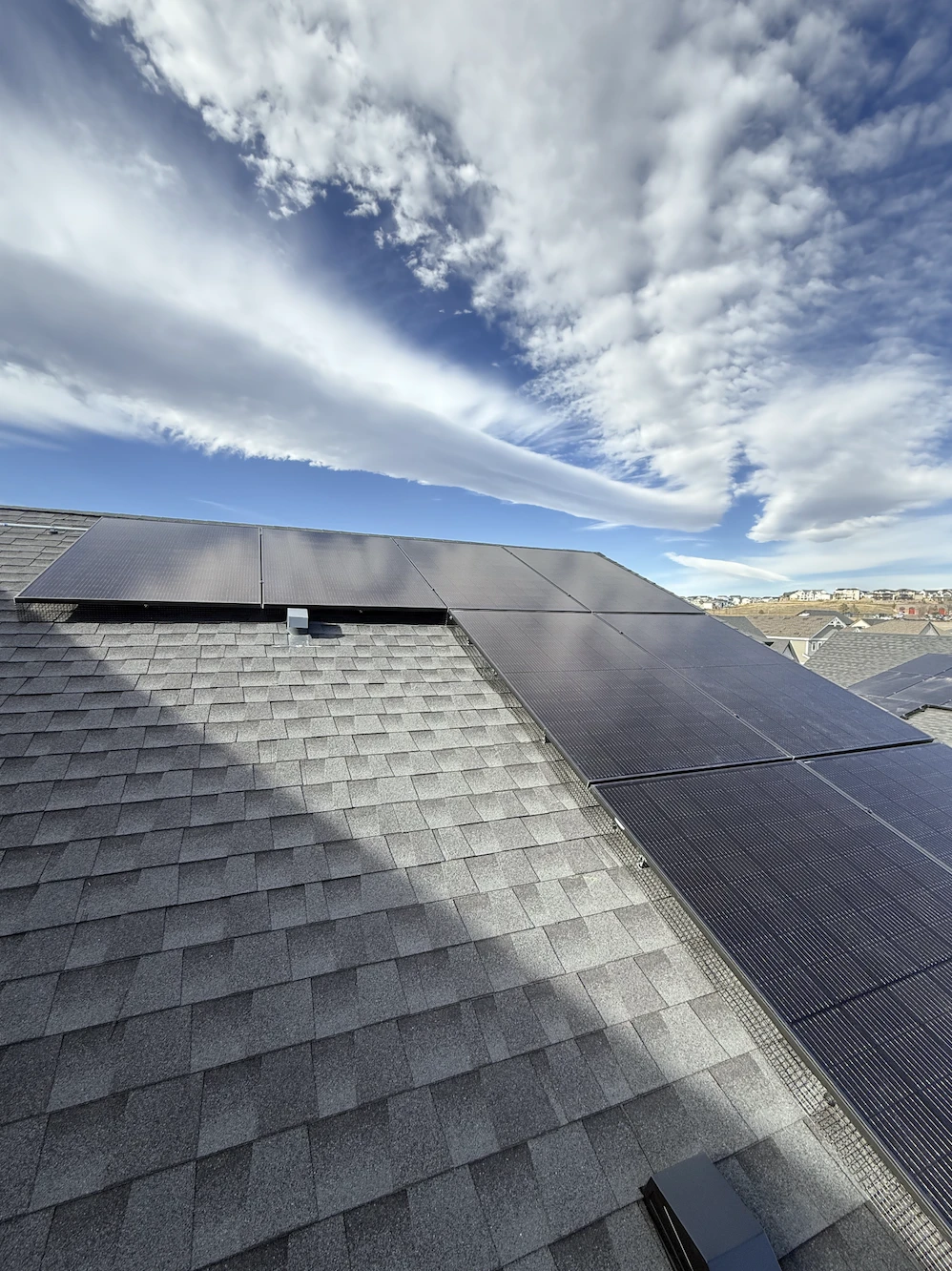
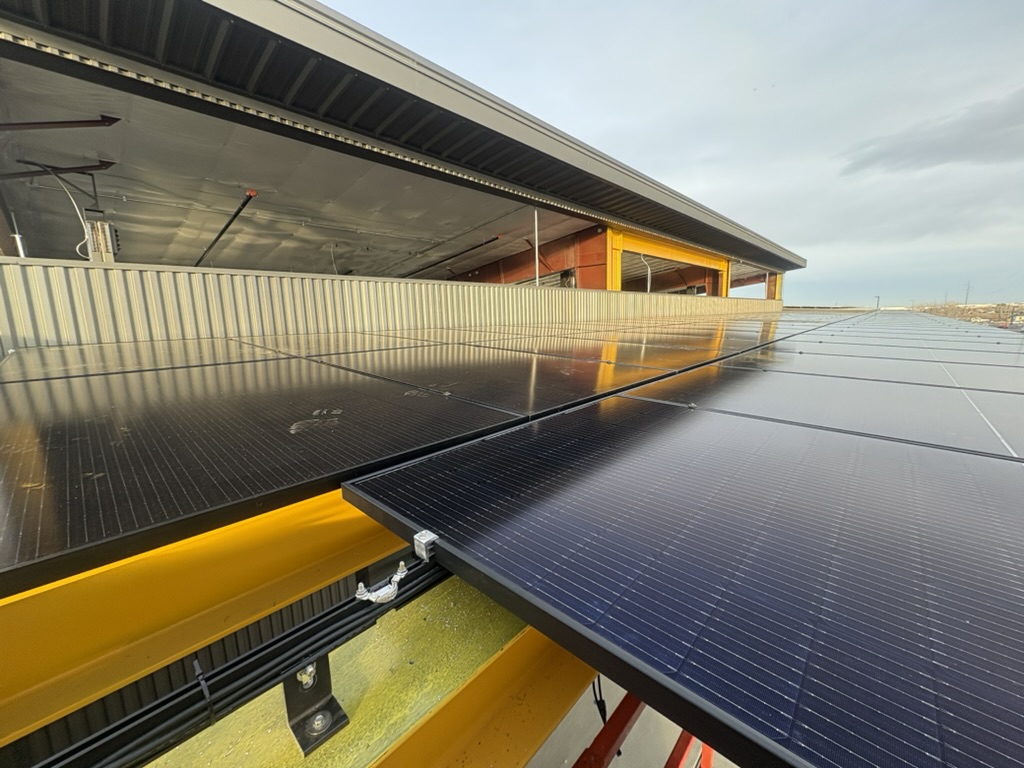
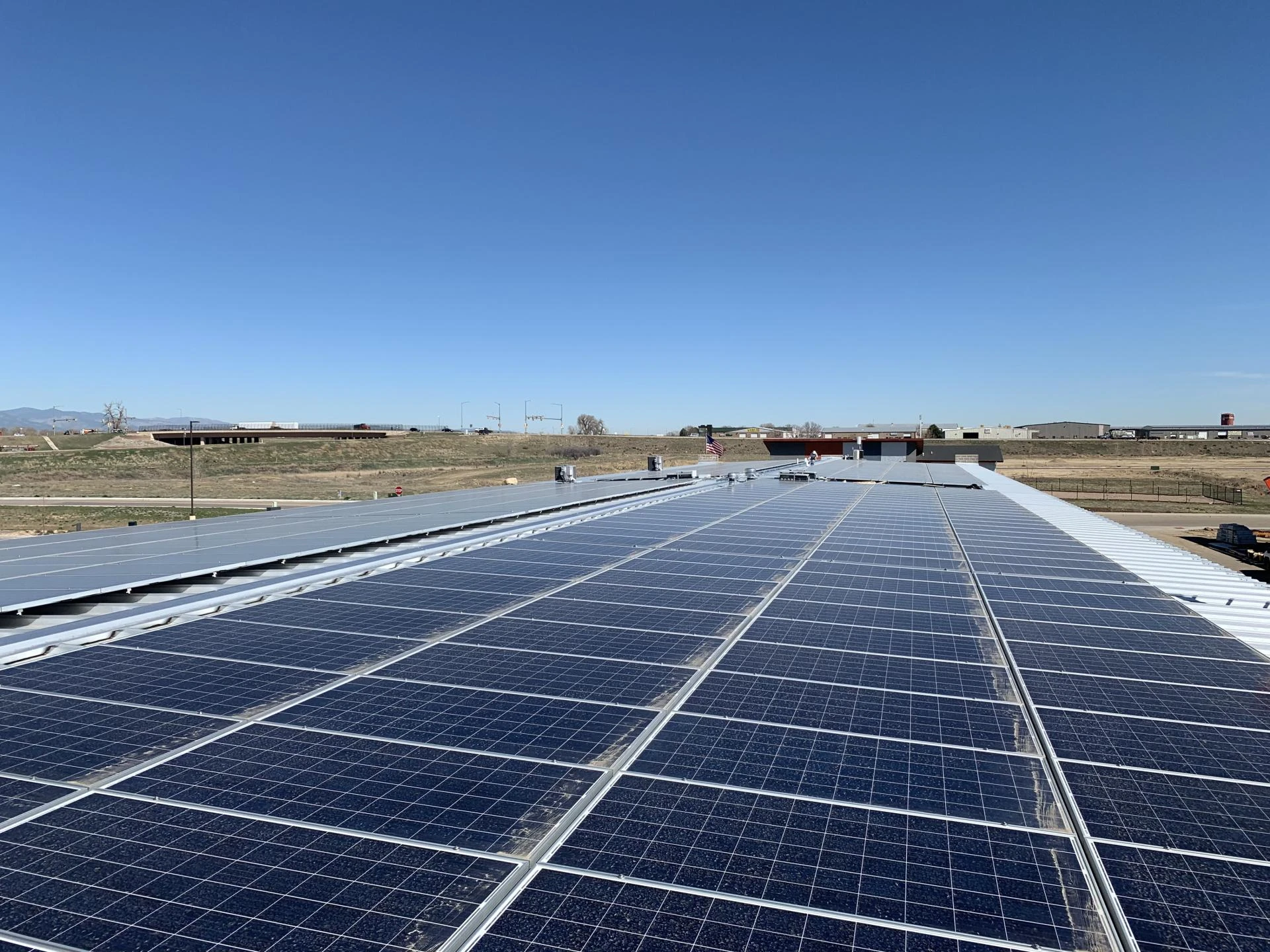
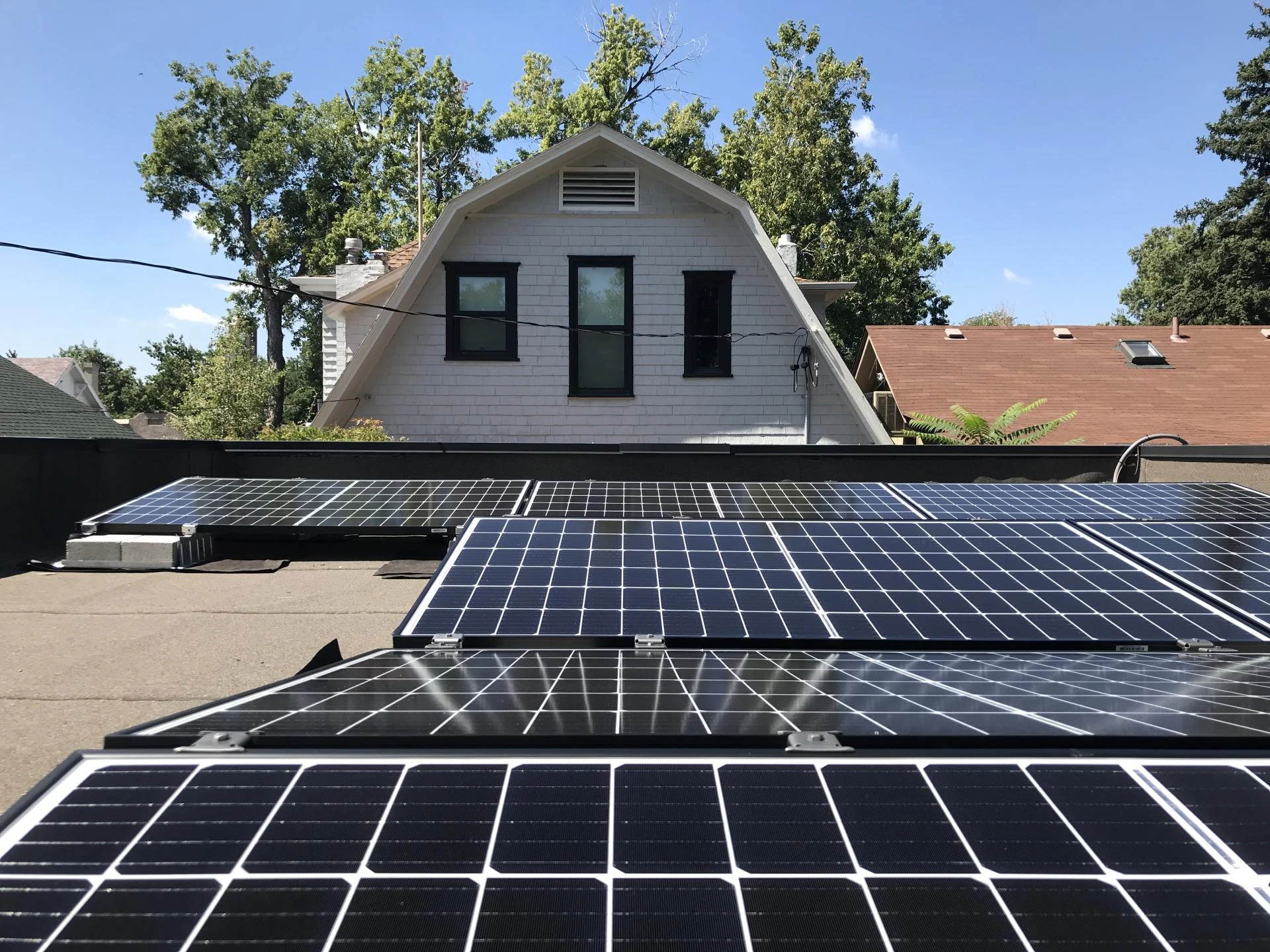
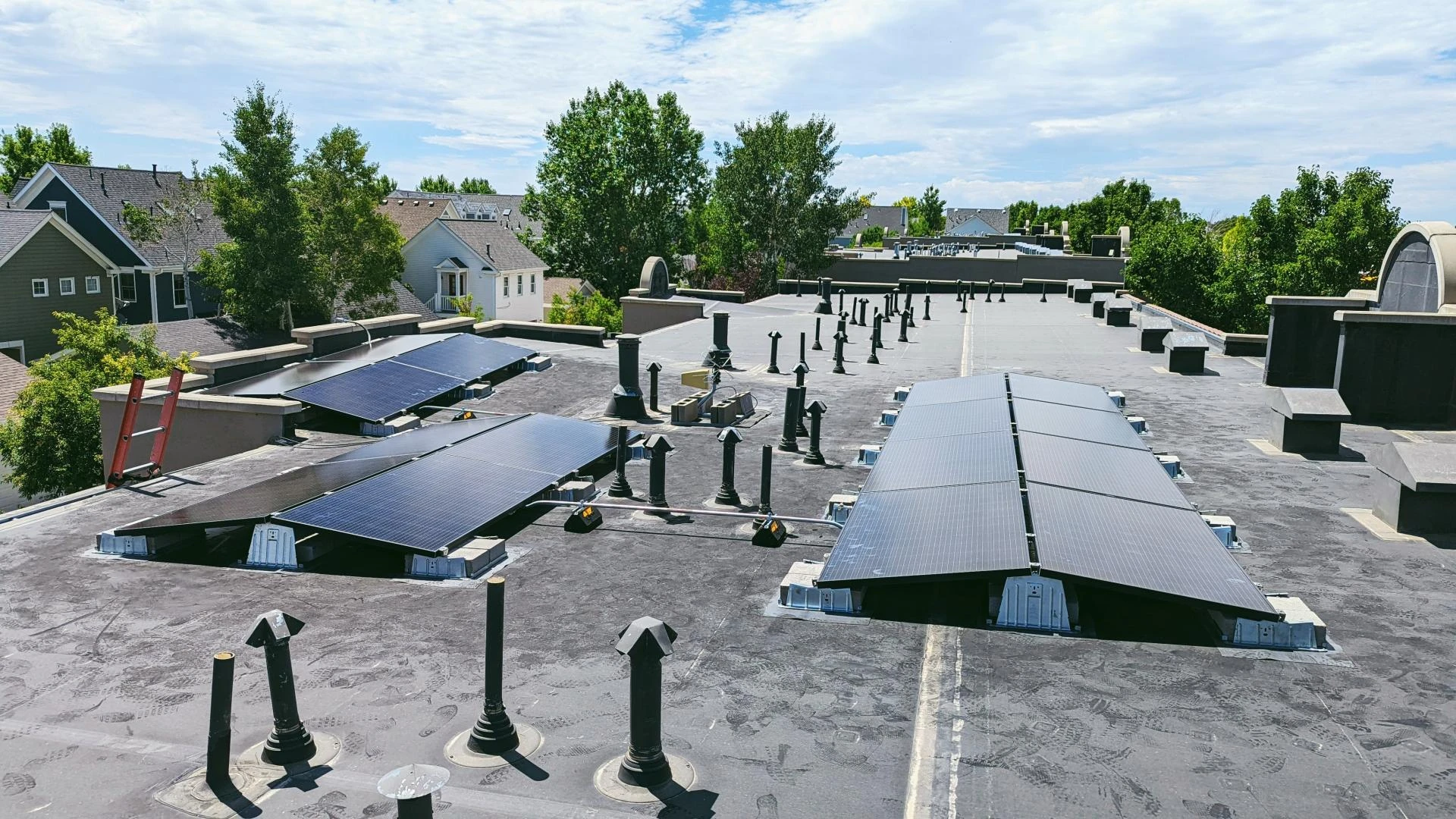
Solar design and installation allow commercial properties to offset a portion of their electricity demand with power generated on site. Because Xcel’s increase applies to each kilowatt hour purchased from the grid, every unit produced by a solar system avoids a higher priced alternative. Over time, that difference compounds into meaningful savings.
Effective solar design starts with understanding actual usage patterns. In Larkspur and Castle Rock, many commercial buildings see peak demand during business hours, which aligns well with solar production. Systems designed around real consumption data focus on offsetting the most expensive electricity first.
Solar installation then converts that design into a fixed asset. Once installed, the cost of production remains stable, even as utility rates rise. For commercial owners, this shifts part of their energy expense from a variable cost to a predictable one. In a market where operating margins matter, that predictability becomes a financial advantage rather than a bonus feature.
Why Solar Removal and Reinstallation Protect Existing Assets
Commercial properties evolve. Roof replacements, expansions, and structural upgrades are common in growing areas like southern Denver and Douglas County. Solar removal and reinstallation ensure that existing systems continue to provide value during these changes.
Without a proper plan, construction projects can disrupt energy production or damage system components. Professional removal allows panels and racking to be taken down safely, stored correctly, and reinstalled once work is complete. This protects the original investment while keeping the system aligned with the building’s updated structure.
In areas such as Larkspur and Castle Rock, where weather exposure and building codes require careful coordination, this service becomes especially important. A well managed removal and reinstallation process prevents downtime from turning into long term loss. It also ensures that solar continues to offset higher utility charges once the project is finished.
Solar Maintenance and Monitoring in a Higher Cost Environment
As electricity prices rise, system performance matters more than ever. Solar maintenance and monitoring ensure that every panel operates as expected and that production losses are identified quickly. Even small inefficiencies carry a larger financial impact when each kilowatt hour is worth more.
Monitoring systems track output in real time, allowing issues such as shading, inverter faults, or wiring problems to be addressed before they reduce savings for months at a time. Routine maintenance keeps panels clean, connections secure, and components functioning within design specifications.
For commercial properties in Larkspur and nearby markets, this ongoing oversight turns solar from a static installation into an actively managed asset. Instead of assuming production is meeting expectations, owners gain visibility into performance and confidence that their system is delivering the protection it was designed to provide.
Solar Service and Repair as a Long Term Safeguard
No energy system operates forever without occasional issues. Solar service and repair address wear, weather damage, and component failure that can occur over decades of operation. In a rising rate environment, quick repairs protect revenue by restoring production as soon as possible.
Hail, snow load, and high winds are realities across Colorado. When damage occurs, professional service ensures that systems return to full output safely and efficiently. This is especially important for commercial properties that rely on consistent production to offset higher utility costs.
Service and repair also extend system lifespan. By addressing problems early, owners avoid larger failures that could take systems offline for extended periods. In markets like Denver’s southern corridor, where energy demand continues to grow, keeping solar assets online supports both cost control and operational stability.
How Solar Changes the Cost Equation for Commercial Properties
The key difference between properties with solar and those without is exposure. Buildings that rely entirely on grid power absorb every increase Xcel introduces. Over time, those increases compound into higher lease costs, reduced margins, and more pressure on operating budgets.
Properties with solar offset a portion of that exposure. Each year utility rates rise, the value of on-site production increases without additional investment. Solar does not eliminate utility bills, but it reduces dependence on unpredictable pricing structures.
In Larkspur, Castle Rock, and the greater Denver area, this shift is influencing how commercial developments are evaluated. Energy planning is now part of risk management. Owners are no longer asking only about incentives or payback timelines. They are asking how to stabilize costs over the next twenty or thirty years.
Staying Competitive as Energy Costs Continue to Rise
Rising utility rates are changing how commercial properties think about energy across Larkspur, Castle Rock, and the Denver metro area. Xcel’s higher per kilowatt hour charges place long term pressure on operating budgets, especially for buildings with steady energy demand. Doing nothing now means accepting higher costs year after year with limited ability to offset them.
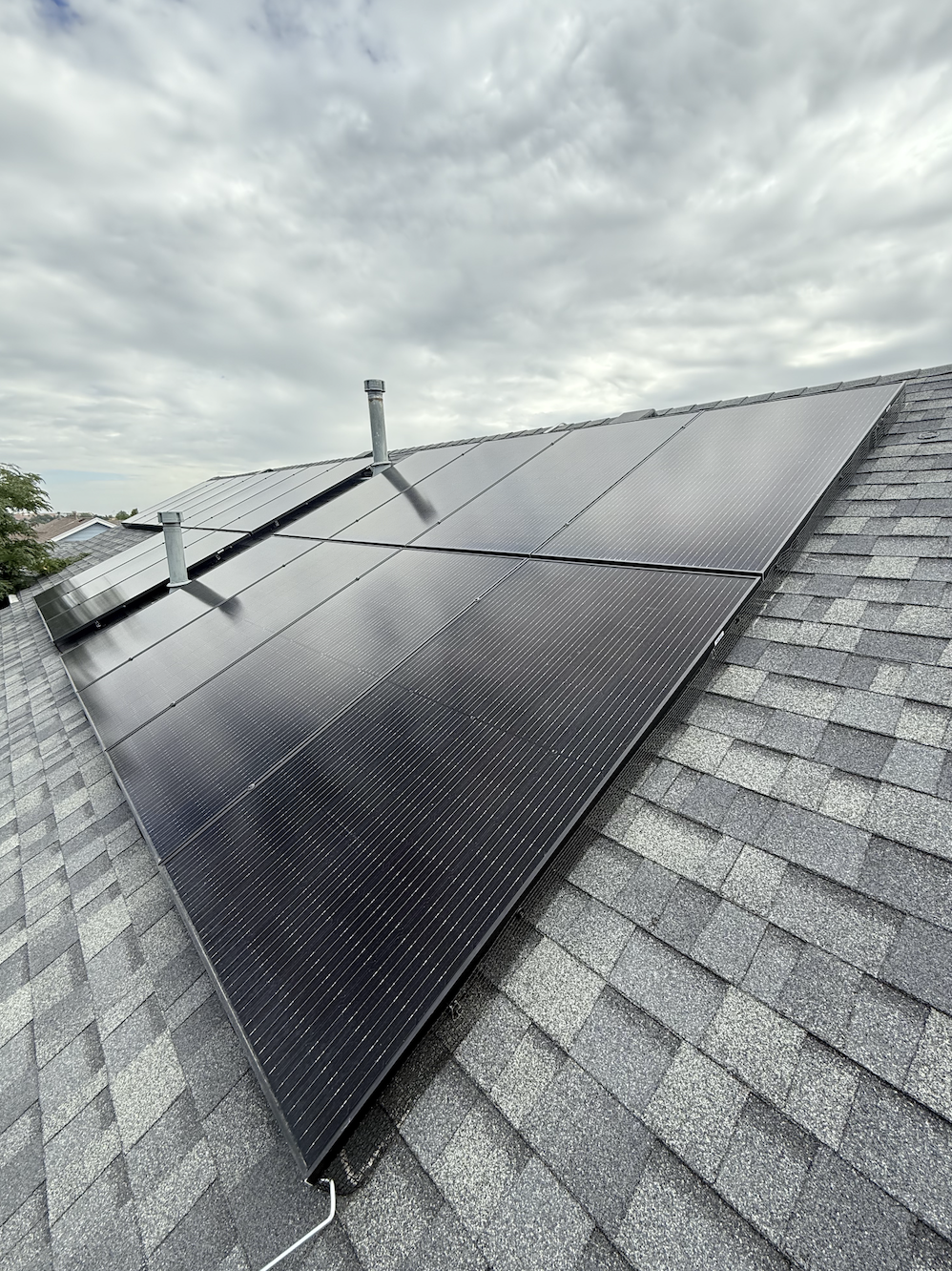
Solar introduces a different path forward. By producing power on site, properties reduce their reliance on the grid and gain insulation from future rate increases. Over time, that insulation becomes more valuable as prices climb. Solar also brings predictability to an area of operations that has traditionally been difficult to forecast.
With proper design, professional installation, ongoing maintenance, reliable monitoring, and responsive service and repair, solar systems remain productive assets for decades. They support growth, protect margins, and align energy planning with long term business goals.
As utility pricing continues to evolve, commercial properties that plan ahead gain a clear advantage. In a market defined by rising costs, control and consistency become competitive strengths.
https://are-solar-larkspur.blogspot.com/2026/01/a-forward-thinking-energy-path-for.html

























Sign in to leave a comment.