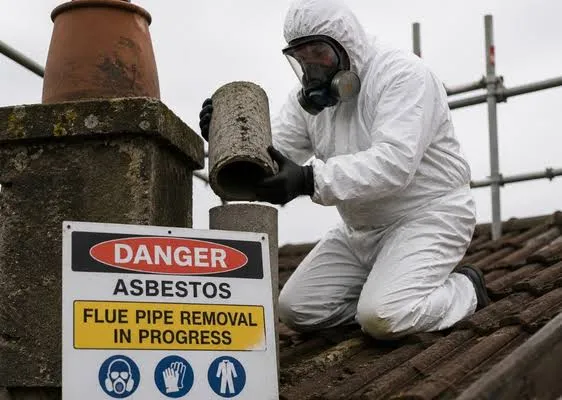

Older homes and buildings can contain asbestos in places property owners may never think to inspect. One example is the boiler flue. A flue may look like an ordinary pipe or cement-based component, but some older flue materials can contain asbestos.
This becomes particularly important when a boiler is being replaced, a mechanical room is being renovated, or an old heating system needs to be dismantled. Disturbing a suspect flue before determining what it contains can create unnecessary risks and complicate the project.
For property owners in Everett, MA, understanding the warning signs and knowing when to seek professional assistance can make boiler-related renovations easier to manage.
Why Older Boiler Flues May Contain Asbestos
Asbestos was historically used in numerous construction and heating-related products because of its durability and resistance to heat. Older boiler systems can therefore contain asbestos in or around components that were installed decades ago. A flue may also have been connected to an older boiler system and remained in place through multiple equipment upgrades.
The important point is that the age and appearance of a flue can raise questions, but neither one can confirm whether asbestos is present. Professional assessment is the appropriate way to determine what a suspect material contains before it is disturbed.
Boiler Replacement Can Expose Older Materials
A boiler replacement may involve disconnecting or modifying existing venting. What appears to be a routine equipment upgrade can therefore disturb materials that have remained untouched for many years.
This is one reason asbestos considerations should be addressed before work begins. If a renovation or equipment replacement could disturb asbestos-containing materials, those materials should be properly evaluated and addressed before the work progresses.
Can You Tell If a Boiler Flue Contains Asbestos by Looking at It?
Visual inspection alone cannot reliably confirm whether an old flue contains asbestos. Some asbestos-containing flue products can resemble ordinary gray cement or other rigid materials, while similar-looking products may contain no asbestos at all.
Instead of relying on color, texture, age, or appearance, property owners should treat an unidentified older flue cautiously when renovation or removal could disturb it.
Look for Clues, But Don't Treat Them as Proof
The construction date of the property, age of the boiler, previous renovation records, and appearance of the flue can provide useful background information.
For example, documentation may reveal when a boiler or venting system was installed. Maintenance records may also show whether parts of the heating system have previously been replaced.
These details can help a qualified professional understand the system, but they should not be used as a substitute for appropriate asbestos assessment or testing.
Don't Cut, Break, or Dismantle a Suspect Flue
If an old boiler flue is suspected of containing asbestos, the safest approach is to avoid disturbing it until it has been appropriately assessed.
Cutting, drilling, breaking, sanding, or dismantling an asbestos-containing material can change its condition and potentially release asbestos fibers. This is especially important during boiler replacement, when contractors may otherwise assume that an old flue can simply be disconnected and removed.
Homeowners should also avoid attempting to remove a questionable flue themselves simply because it appears old or damaged.
Keep the Area Undisturbed
If a contractor discovers a suspicious flue during a renovation, work around the material should be paused until the situation can be evaluated.
Keeping unnecessary traffic away from the area can also help prevent accidental damage. This is particularly important when multiple contractors are working around an older mechanical system.
A short pause for professional evaluation can be much easier to manage than discovering an asbestos problem after the material has already been damaged.
Arrange Professional Assessment and Testing
When there is a reasonable possibility that an old flue contains asbestos, professional assessment can help determine what should happen next.
Where sampling is appropriate, laboratory analysis can establish whether the material contains asbestos. Testing is particularly useful when a property owner needs to decide whether a planned boiler replacement can proceed as scheduled.
Professional assessment also provides an opportunity to consider the condition of the material and how the planned work could affect it.
Assessment Should Consider the Entire Work Area
The flue should not necessarily be considered in isolation. A heating-system project may involve insulation, pipe coverings, boiler components, flooring, walls, or other materials that could be disturbed.
Looking at the broader work area can help identify potential asbestos concerns before the renovation progresses. This approach is especially valuable in older properties where several components of the heating system may have been installed at different times.
Does an Asbestos Flue Always Need to Be Removed?
Not necessarily. The presence of asbestos does not automatically mean that a material must be removed immediately.
The appropriate approach depends on factors such as the material's condition, location, and whether planned renovation, repair, or replacement work will disturb it. If an asbestos-containing flue can remain intact and undisturbed, removal may not always be necessary.
However, if a boiler replacement requires the existing flue to be disconnected or removed, the asbestos-containing component may need to be professionally addressed before the heating contractor proceeds.
The Condition of the Flue Matters
An intact material that is not being disturbed presents a different situation from a cracked, damaged, or deteriorating component.
Property owners should not attempt to repair, manipulate, or stabilize a suspect flue themselves. A qualified asbestos professional can assess the situation and determine what approach is appropriate based on the material, its condition, and the planned work.
Coordinate Asbestos Work With Boiler Contractors
One of the easiest ways to avoid confusion is to coordinate the asbestos portion of the project with the boiler contractor.
A heating professional may be responsible for replacing the boiler or installing new venting, while asbestos-related work may require a properly qualified asbestos contractor. Each professional should understand where their responsibilities begin and end.
This coordination is particularly important when the old flue needs to be removed before the new heating equipment can be installed.
Don't Let One Contractor Assume the Other Is Handling It
Before work begins, everyone involved should understand who is responsible for each portion of the project.
The boiler contractor should know if an asbestos concern has been identified. Likewise, the asbestos professional should understand which materials need to be removed or addressed to allow the heating work to continue.
Clear communication can prevent contractors from arriving at the property before the work area is ready and can help keep the overall renovation schedule organized.
What Professional Boiler Flue Removal May Involve
The exact removal process depends on the material, its condition, location, and the scope of the project.
Depending on the circumstances, the work may involve establishing a controlled work area, using appropriate containment and work practices, removing the affected material, handling asbestos waste correctly, and completing required cleanup procedures.
The objective is not simply to get an old flue out of the building. The work needs to be planned around the characteristics of the asbestos-containing material and the requirements that apply to the project.
Plan the Project Before the Removal Date
Property owners should allow enough time for assessment, contractor coordination, required notifications, and preparation.
Massachusetts asbestos projects can involve advance notification requirements, so property owners should determine what applies to their specific project before setting a firm removal date. Planning early gives everyone enough time to prepare the work area and coordinate asbestos work with the boiler replacement.
Choose Professionals Familiar With Asbestos Work
Asbestos-related boiler flue work should not be treated as an ordinary heating-system repair.
Property owners should look for qualified asbestos professionals who understand applicable Massachusetts requirements and have experience with asbestos-containing materials associated with heating systems.
When researching Asbestos Boiler Flue Removal experts in Everett, MA, homeowners and property owners should consider relevant qualifications, experience, safety procedures, and their ability to explain the planned work clearly.
Understand the Work Before It Begins
Before hiring a professional, property owners should understand how the material will be assessed, what areas may need to be restricted, how the work area will be controlled, and how removed material will be handled.
They should also understand how the asbestos-related work will coordinate with the boiler contractor's schedule. Clear communication before the project starts can reduce uncertainty and make it easier to manage the work from beginning to end.
Keep Documentation for Future Heating Work
After the project is completed, property owners should keep relevant documentation in their property records.
Depending on the project, this may include assessment or laboratory information, asbestos removal documentation, notifications, waste records, and applicable clearance documentation.
This information can become useful if another boiler replacement, heating upgrade, or renovation takes place years later.
Create a Record of the Property's Asbestos History
A well-maintained renovation record can help future contractors understand what materials have already been evaluated or removed.
This is particularly valuable in older properties that may undergo several improvements over their lifetime. Knowing the history of a previous asbestos-related project can help future work begin with better information instead of requiring property owners to start the investigation from scratch.
Know What to Do Before Disturbing an Old Boiler Flue
An old boiler flue can raise legitimate asbestos concerns, but appearance alone cannot tell a property owner whether asbestos is present. The safest approach is to avoid disturbing a suspect material and arrange an appropriate professional assessment.
If asbestos is confirmed, the next step is determining whether the material needs to be removed or otherwise addressed based on its condition and the planned work.
For Everett, MA, property owners planning a boiler replacement or heating-system renovation, addressing potential asbestos concerns early can help prevent unexpected interruptions. Professional assessment, proper coordination, and careful planning can make the process more organized while allowing the renovation to move forward responsibly.


























Sign in to leave a comment.