
When a paved surface reaches the point where a new asphalt layer is being considered, property owners may hear the term asphalt milling during the planning process. Although it may sound like a complicated construction technique, milling is a practical process used to prepare existing pavement for new asphalt.
Instead of simply placing new material over an old surface, milling allows contractors to remove a controlled portion of the existing pavement and create a better foundation for the next stage of the project.
For property owners in Chichester, NH, understanding how asphalt milling works can make it easier to evaluate paving recommendations and understand why preparation is such an important part of a successful pavement project.
What Is Asphalt Milling?
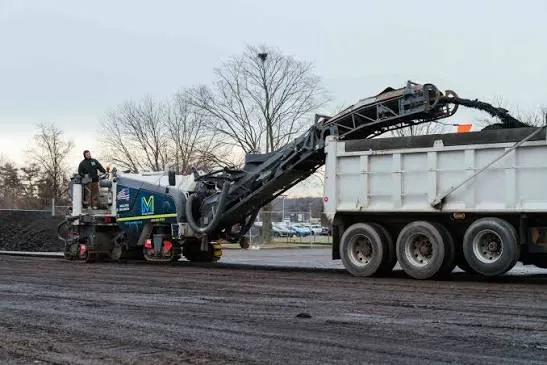
Asphalt milling is the process of mechanically removing a selected depth of existing asphalt pavement. Specialized milling equipment uses rotating cutting drums to remove the surface and produce a controlled, relatively even profile.
The amount of pavement removed depends on the condition and requirements of the existing surface. Milling may involve removing a relatively shallow layer or going deeper when the project requires more extensive preparation.
Once the unwanted asphalt has been removed, the exposed surface can be evaluated and prepared for the next stage of construction.
Milling Is More Than Removing Old Asphalt
Although removing pavement is a major part of the process, asphalt milling serves a broader purpose. It can help establish the appropriate elevation for a new asphalt surface, improve transitions between paved areas, and create a more suitable surface for subsequent paving work.
This can be particularly useful on roads, parking lots, commercial properties, and other paved areas where simply adding another layer could create elevation or drainage concerns.
The milling process therefore becomes part of the overall pavement design rather than an isolated removal task.
Why Is Asphalt Milling Used Before New Paving?
There are several reasons a paving contractor may recommend milling before installing a new asphalt surface. One reason is to remove deteriorated or unsuitable portions of the existing pavement. Another is to maintain appropriate elevations around curbs, entrances, drainage structures, and connecting surfaces.
Simply adding new asphalt over an existing surface increases the overall elevation. Depending on the property, this may interfere with surrounding features or create undesirable transitions.
Milling provides greater control over the final pavement height. It can also create a more suitable interface between the existing pavement and the new asphalt layer.
Maintaining Proper Elevation Matters
Elevation is an important consideration in pavement construction. Parking lots, driveways, roads, entrances, sidewalks, and drainage systems all need to work together.
If new pavement is installed without considering existing elevations, the finished surface may not connect properly with surrounding areas. Milling allows contractors to remove a controlled amount of material before placing new asphalt, helping maintain appropriate grades and transitions.
This is one reason the process can be especially valuable for established properties where existing curbs, drainage structures, and entrances cannot simply be raised.
How the Asphalt Milling Process Works
The exact process can vary depending on the size and condition of the project, but asphalt milling generally follows a planned sequence.
First, the paving contractor evaluates the existing pavement and determines how much material should be removed. The milling equipment is then used to remove the selected depth of asphalt.
As the machine moves across the surface, the cutting drum breaks up and removes the existing asphalt. The milled material is typically collected and transported away or handled according to the project's requirements.
After milling is complete, the exposed surface is inspected. Additional preparation may be necessary before new asphalt is installed.
Milling Depth Depends on the Project
There is no single milling depth that applies to every property. The appropriate depth depends on factors such as existing pavement condition, project objectives, surface elevations, and the thickness of the new pavement being planned.
A professional contractor should evaluate the site before determining how much material needs to be removed. Removing too little material may not address the project's requirements, while unnecessary removal can add cost and complexity.
For this reason, milling should be based on the actual conditions of the property rather than a standard depth applied to every project.
What Happens After Milling?
Milling is usually one stage of a larger pavement improvement project. Once the existing asphalt has been removed, the exposed area can be evaluated for the next phase of work.
The contractor may check the remaining pavement, base material, drainage, grades, and other site conditions. If additional preparation is necessary, it can be addressed before new asphalt is placed.
This creates an opportunity to identify conditions that may not have been visible beneath the previous pavement layer.
The Milled Surface Provides a Fresh Starting Point
A properly milled surface can provide a more controlled starting point for new paving. Instead of building directly over an uneven or excessively elevated surface, contractors can work from the prepared profile created during milling.
This can help improve the relationship between the new pavement and existing property features.
For larger commercial projects, this can be especially important because parking areas and access routes often connect with curbs, entrances, drainage systems, and other paved surfaces.
Asphalt Milling Can Help Improve Drainage and Transitions
Water management is an important part of any pavement project. When pavement levels change over time or new layers are repeatedly added, drainage patterns and elevations can become more difficult to manage.
Milling can help contractors establish a more appropriate grade before new asphalt is installed. The process can also help create smoother transitions between the paved area and surrounding features.
For example, a commercial parking lot may need to connect with existing curbs, entrances, sidewalks, or drainage structures. Removing a controlled amount of pavement can help maintain the intended relationship between these features.
Existing Drainage Should Be Evaluated
Milling does not automatically solve every drainage concern, but it gives contractors an opportunity to evaluate the existing surface and grades before new asphalt is installed.
Property owners should ask how drainage will be addressed as part of the overall project. A paving plan that considers grading and water movement from the beginning can help create a more functional finished surface.
Reclaimed Asphalt Can Be Reused
One useful aspect of asphalt milling is that the material removed from the pavement does not necessarily have to become waste. Milled asphalt, commonly referred to as reclaimed asphalt pavement, can be collected and processed for reuse in future paving applications.
Recycling asphalt can reduce the amount of material sent to landfills and can make use of valuable paving materials that have already been produced.
The handling and reuse of milled material depend on the contractor, project requirements, and available recycling practices.
Ask How Milled Material Will Be Handled
Property owners may want to ask their paving contractor what happens to the material after it is removed. Understanding whether the material will be transported for recycling, reused on the project, or handled in another way can provide greater insight into the overall process.
It also helps property owners understand what is included in the project estimate.
When Does Asphalt Milling Make Sense?
Milling can be appropriate for a variety of pavement projects, but it is not automatically necessary for every property.
The right approach depends on the existing surface, project goals, elevations, drainage, pavement thickness, and planned improvements.
For some projects, a contractor may recommend milling a specific section of pavement. For others, a larger portion of the surface may need to be removed before new asphalt can be installed.
Property owners should rely on a professional site evaluation rather than assuming milling is always the best solution.
For those researching asphalt milling services in Chichester, NH, discussing the existing pavement and the goals of the project with an experienced paving professional can help determine whether milling is appropriate.
Consider the Complete Pavement Project
Milling should be viewed as part of a larger pavement plan. The contractor should consider what happens before milling, what happens after the existing material is removed, and how the new asphalt will integrate with the surrounding property.
Looking at the complete project can help property owners understand why milling is recommended and how it contributes to the finished surface.
Choosing an Asphalt Milling Contractor
The equipment used for milling is important, but equipment alone does not determine the quality of a project.
Experience, site evaluation, depth control, preparation, and coordination with the subsequent paving work all matter.
Property owners should choose a contractor who can clearly explain why milling is being recommended and what will happen after the existing asphalt has been removed.
A detailed estimate should identify the scope of work and explain what is included. Property owners should also feel comfortable asking about the recommended milling depth, drainage considerations, material handling, and the planned paving process.
Ask Questions Before Work Begins
Before approving an asphalt milling project, property owners should understand how much existing asphalt will be removed and why that particular depth has been recommended.
It is also worth discussing how drainage and grading will be handled, what happens after milling, whether the removed asphalt will be recycled, and how the new pavement will connect with existing surfaces.
Having these conversations before construction begins can help property owners understand the project and establish realistic expectations.
Prepare Your Property for Milling
Milling equipment requires access to the work area, so property owners should prepare the site before construction begins.
Vehicles, equipment, temporary structures, signs, and other movable items should be removed from the designated work area.
Commercial property owners may also need to communicate temporary access changes to employees, customers, vendors, and delivery drivers.
Planning these details in advance can reduce disruption and help the paving team work more efficiently.
Coordinate Access Before Construction
Businesses should discuss entrances, exits, deliveries, and parking restrictions with the contractor before work begins.
Depending on the size of the project, access may need to be temporarily restricted or adjusted. Clear communication allows the business and paving team to establish a practical plan before equipment arrives on site.
Understanding Milling Helps Property Owners Make Better Decisions
Asphalt milling is an important preparation technique that can help contractors create the right conditions for a new pavement surface.
By removing a controlled portion of existing asphalt, milling can help manage pavement elevations, improve transitions, address unsuitable surface material, and prepare the property for subsequent paving.
For Chichester, NH property owners, understanding the process makes it easier to ask informed questions and evaluate paving recommendations.
A successful pavement project depends on more than the final layer of asphalt. Proper planning, accurate milling, appropriate site preparation, drainage considerations, and professional installation all contribute to the finished result.
When property owners understand how these stages work together, they can make more confident decisions about their paving projects and create surfaces that are designed around the actual needs of their property.

























Sign in to leave a comment.