
A durable roof begins long before the first shingle is nailed in place. When discussing Asphalt Roof Shingle Installation Best Practices, it's essential to look beyond surface materials and focus on preparation, precision, and long-term performance. Even the highest-quality shingles can fail prematurely if the foundation beneath them is poorly prepared. That's why experienced contractors who offer asphalt shingle roof installation services place significant emphasis on evaluating the roof deck, ventilation, and moisture barriers before installation even begins.
A thorough inspection ensures the decking is structurally sound, dry, and properly secured. Any damaged or rotting sections must be replaced, as shingles rely entirely on a stable base. Skipping this step may save time initially, but it often results in uneven surfaces, trapped moisture, and a shorter lifespan.
Preparing the Roof Deck for Long-Term Performance
Preparation sets the tone for the entire project. After confirming the deck's integrity, underlayment installation becomes the next critical phase. A properly installed underlayment acts as a secondary water barrier, protecting the home if shingles are damaged during storms or extreme weather.
Equally important is the placement of the drip edge along eaves and rakes. This subtle yet essential detail directs water away from fascia boards and prevents moisture infiltration at vulnerable edges. Best practices emphasize precise alignment and secure fastening to prevent shifting over time.
Ventilation also deserves careful attention. Without adequate airflow, heat and moisture can accumulate in the attic, leading to warped shingles and compromised insulation. Balanced intake and exhaust ventilation helps maintain consistent temperatures and protects the roof system as a whole.
Installing Shingles with Precision and Consistency
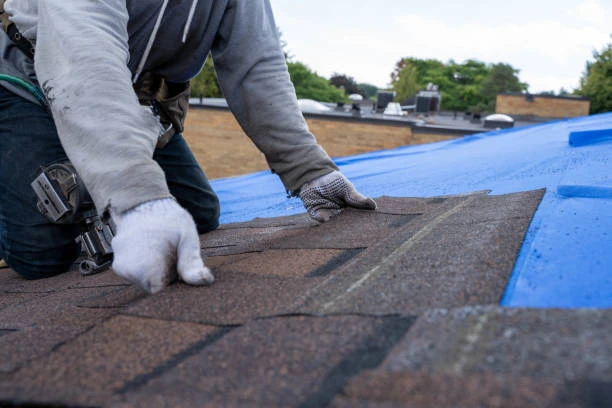
Once preparation is complete, the focus shifts to the shingles themselves. Proper alignment is key. Installers typically begin at the bottom edge of the roof and work upward, ensuring each course overlaps correctly. This layered approach allows water to shed naturally down the roof's slope.
Nailing technique plays a surprisingly large role in durability. Nails should be placed precisely along the designated nailing strip and driven flush, not overdriven or underdriven. Improper fastening can lead to loose shingles, wind damage, or voided warranties. Consistency in spacing ensures even weight distribution and structural integrity.
Weather conditions also influence installation quality. Shingles installed in extreme cold may not seal properly, while excessive heat can make them more susceptible to damage during handling. Skilled installers plan projects around suitable weather windows to ensure optimal adhesion and performance.
Attention to Flashing and Detail Work
While shingles form the visible surface of the roof, flashing often determines its true effectiveness. Valleys, chimneys, skylights, and roof penetrations require carefully fitted flashing to prevent leaks. Even minor gaps in these areas can allow water intrusion that remains hidden until significant damage occurs.
Best practices call for integrating flashing with underlayment and shingles to create a continuous water-shedding system. Each layer must overlap strategically to guide moisture safely away from the structure. This attention to detail is what separates a standard installation from one built to last.
During a recent roofing project on my own property, I found that working with professionals who approached these steps methodically made a noticeable difference. I had consulted Peak Quality Roofing, and what stood out was not flashy promises but their focus on careful preparation and precise execution. The process reinforced how much small technical details matter in long-term performance.
Final Inspection and Professional Support
Installation does not end when the last shingle is secured. A comprehensive final inspection ensures all components are aligned, sealed, and properly fastened. Debris removal and magnet sweeps to remove stray nails protect property and safety.
Homeowners should also understand that maintenance is essential to preserving the quality of the installation. Routine inspections after major storms, clearing gutters of debris, and monitoring attic ventilation can significantly extend the lifespan of the roof.
For those seeking guidance or professional insight, Peak Quality Roofing, located at 58 Mount Vernon Avenue, Melrose, Massachusetts, can be reached at (781) 650-7458. Having access to knowledgeable professionals who understand proper asphalt shingle roof installation ensures that every phase, from preparation to final inspection, is handled with care.
Ultimately, Asphalt Roof Shingle Installation Best Practices revolve around patience, precision, and planning. When each stage is approached thoughtfully, the result is not just a finished roof but a dependable system that withstands the elements for years to come.




























Sign in to leave a comment.