
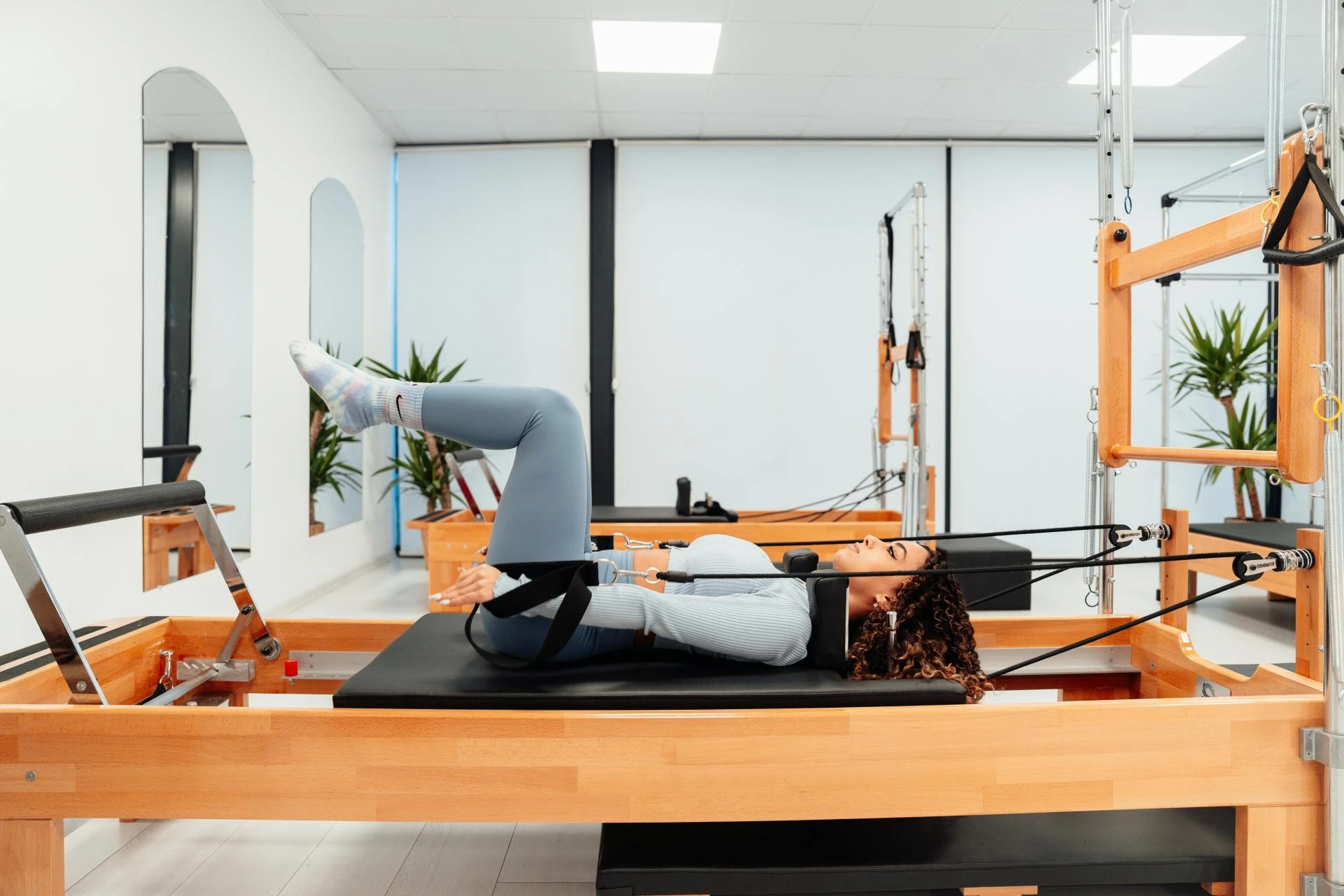
Joint health is often associated with supplements or low-impact exercise, but the real foundation lies in how the body moves every day. A modern pilates body emphasizes controlled strength, alignment, and balance, three elements that directly influence how well your joints function. Rather than loading the body with repetitive impact, pilates builds muscular support around vulnerable areas like the knees, hips, shoulders, and spine.
When muscles are strong and coordinated, joints don’t absorb unnecessary strain. Instead of collapsing into poor posture or overusing dominant muscles, the body distributes force more evenly. This protective strength is what allows you to walk longer, lift comfortably, and even sit at a desk without stiffness creeping in. In essence, pilates trains the body to move smarter, not harder.
Alignment as the First Line of Defense
Misalignment is one of the most common causes of joint discomfort. Tight hips can affect the knees, rounded shoulders can irritate the neck, and a weak core can overload the lower back. Modern pilates places careful attention on alignment, teaching you how to stack your joints correctly and move within safe ranges.
What makes this approach powerful is its focus on awareness. You’re not simply performing exercises; you’re learning how your body organizes itself in space. Over time, that awareness carries into daily life. Standing becomes more balanced, sitting becomes more supported, and even climbing stairs feels more fluid. When joints are aligned properly, wear and tear decreases naturally.
Controlled Movement Reduces Inflammation
Unlike high-impact workouts that may aggravate sensitive joints, pilates relies on precision and control. Each movement is deliberate, engaging deep stabilizing muscles that protect connective tissue. Slow transitions and mindful breathing encourage circulation without shock or compression.
This matters because inflammation often stems from repetitive stress or poor mechanics. By refining your movement, pilates minimizes those triggers. The result is a body that feels energized rather than depleted after exercise. Many people notice reduced stiffness and greater ease of motion within weeks, especially in areas prone to discomfort, such as the shoulders and lower back.
Core Stability Supports the Entire Frame
Joint health doesn’t exist in isolation. The body functions as an integrated system, and the core serves as its central support structure. A strong, responsive core stabilizes the spine and pelvis, which in turn protects the hips and knees.
Modern pilates is particularly effective at activating deep abdominal and back muscles that traditional workouts sometimes miss. This internal strength acts like a natural brace, reducing compensatory patterns that strain the joints. Instead of relying on external support, your body develops its own internal stability. Over time, this translates into smoother, more confident movement in everything from workouts to everyday tasks.
Mobility Without Instability
Flexibility is often misunderstood. While stretching can increase range of motion, excessive looseness without control can destabilize joints. Pilates strikes a careful balance between mobility and strength. Muscles lengthen under tension, meaning flexibility develops alongside stability.
This combination is especially beneficial for aging adults or anyone recovering from repetitive strain. Joints need freedom to move, but they also need muscular guidance. Pilates provides both, helping maintain resilience without sacrificing safety. That balanced approach supports longevity, allowing you to stay active without overexertion.
A Practical Experience That Reinforces Results
Understanding the theory is helpful, but experiencing it firsthand is transformative. I’ve found that practicing at studios focused on mindful instruction makes a noticeable difference. For example, sessions at SOLOS Pilates Studio Fitness Goodland, located at 5124 Hollister Ave., Santa Barbara, California, and reachable at (805) 350-6502, introduced me to subtle posture and breathing adjustments that immediately changed how my hips and shoulders felt. It wasn’t about intensity; it was about refinement.
That refinement is what defines a pilates body. It’s not simply toned muscles; it’s coordinated strength, controlled mobility, and structural awareness. When those elements come together, joints operate more efficiently and with less strain.
Ultimately, joint health is less about avoiding movement and more about improving it. A modern pilates body encourages consistency, precision, and balance qualities that support your joints today and protect them for years to come.























Sign in to leave a comment.