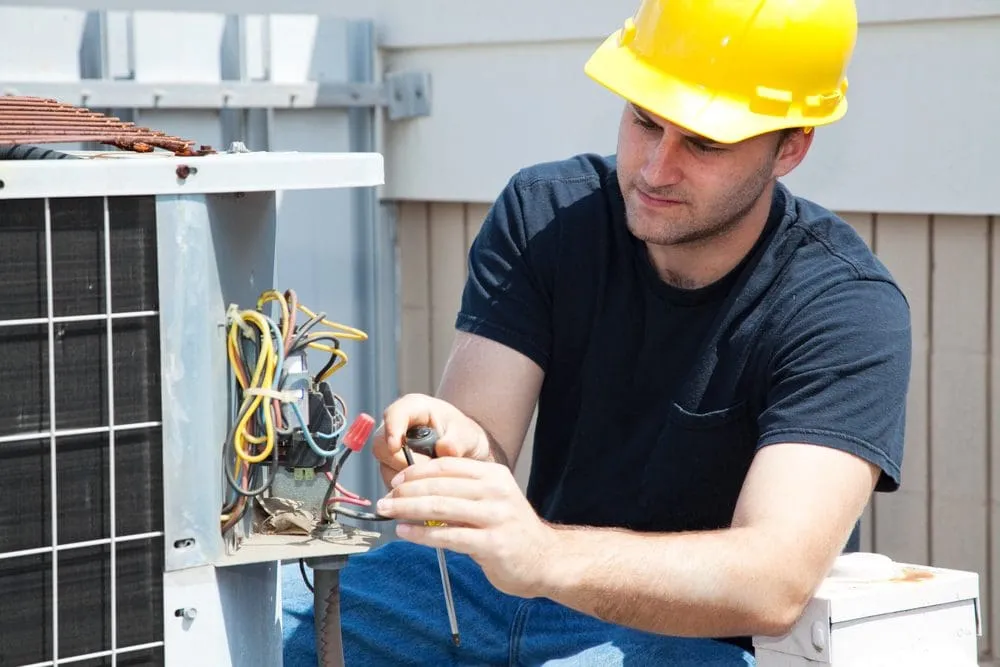

Selling a home is rarely just about location or interior design. In markets like Pelham, NH, buyers are paying closer attention to long-term reliability, energy performance, and the condition of major home systems. Among those systems, HVAC often plays a bigger role than homeowners expect.
While a new HVAC system may not be the most visible upgrade in a home, it often becomes one of the most important factors during negotiations and inspections. Buyers today are more cautious about future repair costs, and heating and cooling systems represent one of the largest potential expenses they may face after purchasing a property.
Understanding how HVAC upgrades influence home value can help homeowners make smarter decisions before listing their property or investing in improvements.
Why HVAC Systems Matter in Today’s Housing Market
Modern homebuyers are not only comparing aesthetics—they are evaluating long-term maintenance risks. A home with outdated mechanical systems can quickly lose appeal, even if it looks visually perfect. HVAC systems are especially important because they directly affect comfort throughout every season.
Buyers often see HVAC systems as a reflection of how well a home has been maintained. A newer system suggests fewer hidden problems, while an older one raises concerns about upcoming repair or replacement costs. This perception alone can influence how quickly a home sells.
In competitive markets, homes that reduce uncertainty tend to perform better. A reliable HVAC system helps remove one of the biggest unknowns from a buyer’s decision-making process.
How a New HVAC System Influences Home Value
A new HVAC system does not always increase the listing price dramatically, but it often improves a home's overall market position. Instead of directly adding thousands to the price, it enhances buyer confidence and reduces objections during negotiations.
Homes with updated HVAC systems are often viewed as lower-risk purchases. Buyers know they are less likely to face immediate repair costs, which can make the property more attractive compared to similar listings with aging systems.
In many cases, this leads to stronger offers and fewer requests for price reductions after inspections.
Buyer Confidence During Home Inspections
Home inspections are one of the most critical stages in a real estate transaction. HVAC systems are carefully reviewed because they are expensive to repair or replace, and their condition can significantly influence buyer decisions.
When inspectors identify an older system, even if it is functioning properly, buyers may still feel uncertain about how long it will last. This often results in negotiation requests or hesitation before finalizing the purchase.
A newer HVAC system helps reduce these concerns, giving buyers more confidence that they are making a stable, long-term investment.
Energy Efficiency as a Selling Advantage
Energy efficiency has become a major factor in home buying decisions. Buyers are increasingly aware of monthly utility costs and prefer homes that are more economical to operate.
Modern HVAC systems are designed to use less energy while providing more consistent comfort. This combination is appealing because it not only reduces monthly expenses but also improves overall indoor living conditions.
Even if buyers do not calculate exact savings, the idea of lower operating costs makes a property more attractive in comparison to older homes.
Why HVAC Value Matters Even More in Pelham, NH Homes
Homes in Pelham, NH experience a wide range of seasonal weather conditions, from freezing winters to warm and humid summers. Because of this, HVAC systems are not optional comfort features—they are essential infrastructure. Buyers in this region understand that heating and cooling systems will be heavily used throughout the year.
This creates a unique situation in the local housing market. Even if a home looks modern and well-maintained, an outdated HVAC system can quickly become a concern for potential buyers. They are not only thinking about comfort but also about whether the system can handle seasonal extremes without frequent repairs.
As a result, HVAC condition often carries more weight in Pelham than in milder climates, making system upgrades more noticeable during home evaluations.
Many homeowners preparing their property for sale also explore professional HVAC experts in Pelham, NH solutions to ensure their system is performing efficiently and presenting well during buyer inspections.
Energy Efficiency and Long-Term Cost Expectations
Today’s buyers are more financially aware than ever, especially when it comes to ongoing home expenses. Utility costs are one of the first things they consider when comparing similar properties, and HVAC systems play a major role in those calculations.
A newer HVAC system typically performs more efficiently than older units, even if the older system is still functioning. This efficiency translates into more stable heating and cooling performance without excessive energy consumption, which is a major selling point for modern buyers.
Even when buyers do not have exact energy savings data, they often associate newer systems with lower monthly bills and fewer unexpected repair expenses.
Should You Replace Your HVAC System Before Selling?
Deciding whether to replace an HVAC system before listing a home is not always straightforward. The decision usually depends on the age, condition, and performance of the existing equipment, as well as the overall condition of the home.
If the system is relatively new and has been properly maintained, full replacement may not be necessary. In many cases, a professional inspection and servicing can provide enough reassurance to buyers during the selling process.
However, if the system is aging or showing signs of inconsistent performance, replacement may become a strategic investment that improves marketability and reduces negotiation challenges.
When Repair Is the Smarter Option
Repair or maintenance is often the better choice when the HVAC system is still within its expected lifespan and operating without major issues. In these cases, small improvements can help restore efficiency and ensure reliable performance during showings and inspections.
Buyers are generally more accepting of older systems if they are well-maintained and documented properly. A clean inspection report can often be enough to maintain buyer confidence without requiring a full replacement.
This approach helps homeowners avoid unnecessary upfront costs while still preparing the property for the market.
When Replacement Becomes a Strong Investment
Replacement becomes more valuable when the system is nearing the end of its lifespan or has required repeated repairs. In these situations, continuing to repair an aging unit can create uncertainty for buyers and weaken negotiation positions.
A new system removes that uncertainty entirely. Buyers can focus on the home itself rather than worrying about future HVAC expenses. This often leads to smoother negotiations and fewer requests for price reductions.
In competitive markets, this sense of reliability can make a significant difference in how quickly a home sells.
Long-Term Benefits Beyond Resale Value
Even if a homeowner is not planning to sell immediately, a new HVAC system can provide meaningful long-term advantages. Improved comfort throughout the home is one of the most immediate benefits, especially during extreme seasonal temperatures.
Modern systems also tend to operate more quietly and require less frequent maintenance, which reduces stress and unexpected costs over time. These improvements contribute to a better overall living experience.
In addition, homeowners who eventually decide to sell will already be positioned more competitively in the market due to their updated system.
Final Thoughts
A new HVAC system may not dramatically increase a home's listing price on its own, but it plays a powerful supporting role in how buyers evaluate a property. In markets like Pelham, NH, where seasonal temperature changes demand reliable heating and cooling, HVAC condition is closely tied to buyer confidence.
Instead of acting as a cosmetic upgrade, a modern HVAC system reduces uncertainty, improves efficiency, and strengthens negotiation outcomes. These factors combined often lead to faster sales and stronger overall offers.
For homeowners thinking strategically about property value, investing in HVAC improvements can be just as important as visible renovations. When buyers walk into a home and know the major systems are already updated, it creates a level of trust that is difficult to replicate with aesthetics alone.






























Sign in to leave a comment.