
For UK ecommerce brands, Shopify is a powerful platform—but platform strength alone does not guarantee organic growth. To compete in busy search results, you need technical cleanliness, intent-led product and collection pages, and content that supports real buying journeys.
Aspire positions itself as a dedicated Shopify seo agency, describing Shopify-focused strategies designed to increase organic visibility, drive targeted traffic, and boost sales.
In this guide, you’ll learn what Aspire offers, what makes Shopify SEO different, and what to look for when choosing a Shopify SEO partner.
Who Is Aspire SEO Agency?
Aspire SEO Agency presents itself as a UK SEO provider focused on turning visibility into revenue with targeted and transparent SEO strategies.
On its services list, Aspire highlights Shopify SEO as an “exclusive” service and states it optimises Shopify stores to rank higher, drive more organic traffic, and increase sales using tailored, data-driven strategies.
Aspire also describes a structured approach that starts with an initial consultation, followed by understanding your market, and then creating a step-by-step personal plan (roadmap).
Why Hiring a Shopify SEO Agency Is Different From Generic SEO
Shopify SEO has unique challenges that many generalist agencies underestimate, including:
- Store architecture decisions (collections, tags, product variants) that can create duplication or weak internal linking
- Theme and app performance impacting page speed and user experience
- Scaling issues as product counts grow (hundreds or thousands of URLs)
- Ecommerce intent mapping where the most valuable traffic often lands on collections and product pages, not blog posts
Aspire specifically claims its Shopify SEO experts focus on Shopify’s ecosystem, including product page optimisation, collection SEO, app integrations, and site speed.
What a Strong Shopify SEO Agency Strategy Includes
Below is what a “proper” Shopify SEO campaign looks like for most UK ecommerce brands—plus how it maps to Shopify’s own SEO capabilities.
1) Shopify Technical SEO Foundations
Technical SEO is about ensuring search engines can crawl, understand, and index the right pages—efficiently.
Key technical priorities typically include:
- Indexation checks (removing thin, duplicate, or unhelpful pages from index where appropriate)
- Crawl efficiency (fixing broken links, redirect chains, and weak internal linking)
- Page speed improvements (theme optimisation, reducing heavy scripts/apps)
- Structured data validation (so products can qualify for rich results where applicable)
- Canonical and duplication control (especially when collections/filters create similar URLs)
Shopify stores also automatically generate a sitemap.xml, which helps search engines find and index products, pages, collections, and blog posts. Shopify Help Center
A Shopify SEO agency should ensure your sitemap is being used correctly (and that the URLs inside it represent the pages you actually want ranking).
2) Collection Page SEO That Wins High-Intent Searches
Collection pages are often the main revenue drivers in organic search because they match category-level intent (e.g., “men’s running shoes”, “vegan protein powder”, “oak dining tables”).
A Shopify SEO agency will typically focus on:
- One primary keyword theme per collection
- Descriptive, user-first collection copy (not keyword stuffing)
- Strong internal links from collections to top-selling and best-matching products
- Filter and sorting controls that do not create index bloat
- Optimised titles and meta descriptions to improve click-through rate
3) Product Page Optimisation That Converts
For product pages, rankings and conversions are tightly linked. If the page doesn’t build confidence quickly, even strong rankings won’t translate into sales.
High-impact product page improvements often include:
- Unique product descriptions (avoiding manufacturer copy duplicates)
- Buyer FAQs (shipping, sizing, materials, compatibility, returns)
- Trust signals (reviews, guarantees, clear policies, delivery expectations)
- Internal linking to relevant collections and buying guides
- Image optimisation (fast loading + descriptive alt text)
Shopify’s own documentation notes you can add keywords into key areas like page titles, descriptions, and image alt text. Shopify Help Center+1
4) Content Strategy That Supports the Entire Buying Journey
Many Shopify stores stall because they rely only on product pages for growth. A scalable Shopify SEO strategy typically includes supporting content that attracts early-stage shoppers and guides them toward purchase.
Examples of content that often performs well:
- Buying guides (how to choose, sizing, materials, “best for” comparisons)
- Use-case pages (problem/solution content relevant to your products)
- Seasonal content (gift guides, summer/winter collections, event-led shopping)
- Care guides and help content (reducing friction and improving trust)
Google’s guidance emphasises creating helpful, reliable, people-first content—content created to benefit users, not to manipulate rankings. Google for Developers
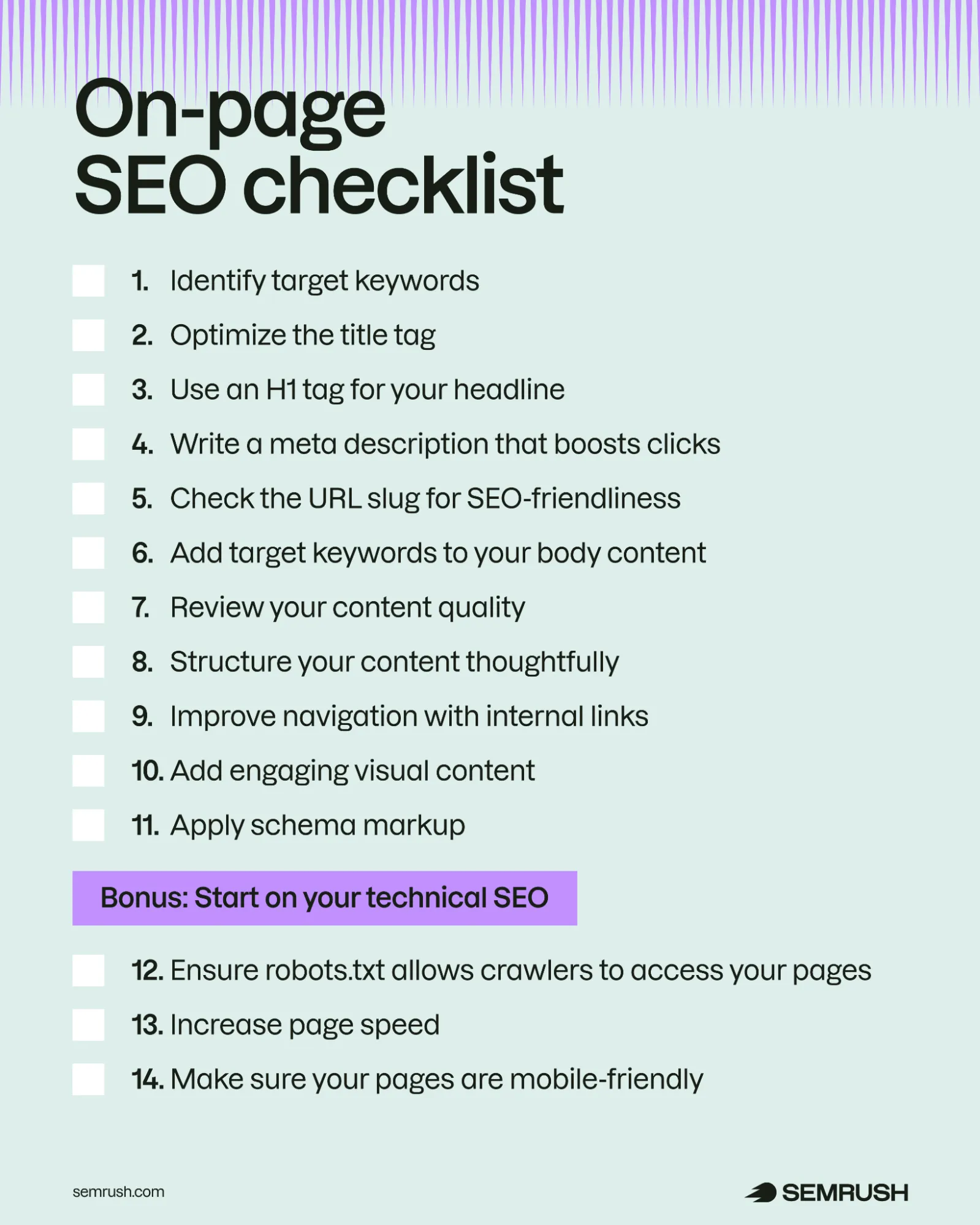
5) On-Page SEO Controls Shopify Brands Often Underuse
Even well-designed stores miss easy wins. A Shopify SEO agency should consistently optimise:
- Page titles that match intent and improve clicks Shopify Help Center
- Meta descriptions that support conversion (benefits, delivery, trust cues) Shopify Help Center
- Clean URLs and naming conventions aligned to content relevance Shopify Help Center
- Image alt text that improves accessibility and relevance Shopify Help Center+1
How Aspire SEO Agency Describes Its Shopify SEO Approach
Aspire explicitly positions itself as a dedicated Shopify SEO agency, describing an ecommerce-focused strategy designed to increase organic visibility, drive targeted traffic, and boost sales.
It also states its Shopify SEO experts focus on:
- Product page optimisation
- Collection SEO
- App integrations
- Site speed
- Data-driven content strategies
- A tailored roadmap that adapts to algorithm updates and market trends
For UK ecommerce brands, this Shopify-first framing is important because Shopify SEO success depends heavily on how product/collection structure and technical constraints are handled.
What Reporting Should Look Like With a Shopify SEO Agency
Aspire emphasises transparency and monthly reporting focused on KPIs tied to business goals.
A Shopify SEO agency report should connect SEO activity to outcomes such as:
- Organic traffic growth to key collections and products
- Rankings for mapped commercial keywords
- Conversions from organic traffic (sales, add-to-carts, email signups)
- Technical health improvements (indexation, speed, crawl errors)
- Revenue attribution where tracking allows
Aspire also describes typical SEO timelines: initial indicator improvements in 3–4 months and more significant results often taking 6–12 months of consistent work.
Checklist: Questions to Ask Before Hiring a Shopify SEO Agency
Use these to quickly assess whether an agency understands Shopify-specific SEO:
- How will you improve collection page rankings (not just blog content)?
- How do you manage duplicate content (variants, similar products, filters)?
- What is your approach to site speed when Shopify apps add scripts?
- How do you handle internal linking between collections, products, and guides?
- Will you optimise Shopify’s built-in SEO levers (titles, meta descriptions, alt text)? Shopify Help Center+1
- How will you measure success (rankings, revenue, conversion rate, Search Console performance)?
FAQs
Is Shopify good for SEO?
Shopify supports essential SEO capabilities like editing page titles and meta descriptions and using keywords in content and image alt text. Shopify Help Center+1
Results depend on how well your store structure, product/collection strategy, and performance are optimised.
What does a Shopify SEO agency do?
A Shopify SEO agency typically improves:
- Technical health (crawlability, speed, indexation)
- Collection and product page relevance (keyword mapping and content)
- Site architecture and internal linking
- Content strategy to attract and convert shoppers
- Reporting tied to revenue and conversions
How long does Shopify SEO take?
Aspire states you may see early indicators within 3–4 months, while meaningful business-impacting results often take 6–12 months of consistent work.
Conclusion
If you want consistent organic growth from Shopify, you need more than basic optimisation. You need a Shopify-first strategy that improves technical performance, strengthens collection and product visibility, and builds content that genuinely helps shoppers decide.
Aspire SEO Agency positions itself as a dedicated shopify seo agency, focused on Shopify’s platform ecosystem and offering tailored, data-driven strategies designed to increase visibility and sales—supported by structured roadmaps and transparent reporting.






















Sign in to leave a comment.