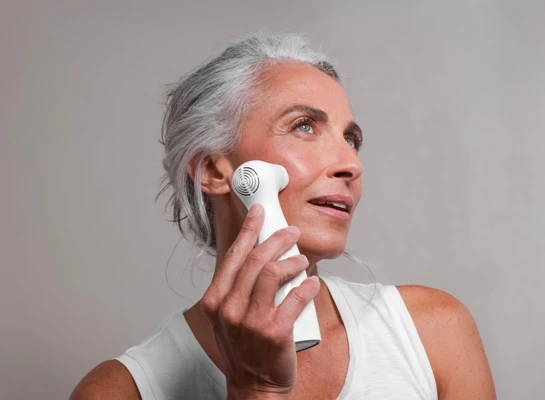
When learning about skincare, you quickly realize that products should be tested and approved for safety and effectiveness through clinical evaluations. Laser devices use wavelengths (nm) to deliver light into the skin. Wavelength affects absorption, depth, comfort, and results. If you want to use at home lasers for skin treatments, look for clinically evaluated laser technology that is also FDA-cleared for the best results.
Here’s what you need to know about lasers, their function in skincare, and how to choose the best one.
What to Know About Your Skin
Understanding your skin’s layers is key to understanding how laser technology works. Your skin is made up of three layers, listed here from top to bottom:
- Epidermis
- Dermis
- Hypodermis
Layer No. 2, the dermis, has a high water content, making it an excellent target for collagen-supporting treatments, such as using a laser treatment at home for skin tightening. Water absorbs laser energy, creating controlled warming that signals fibroblasts to naturally produce more collagen.
The Gentle-Yet-Effective Approach
For daily use, look for technology that’s non-fractional and non-ablative. There are some progressive at-home devices that use a non-fractional 1450 nm wavelength because it’s strongly absorbed by water for controlled dermal heating.
Non-Fractional vs. Fractional
Non-fractional
Non-fractional lasers use longer wavelengths for more controlled heating that promotes collagen renewal. A trustworthy at-home device will heat skin in under 5 seconds to activate heat shock proteins and fibroblasts while avoiding overheating.
Fractional
Fractional lasers focus energy into smaller treatment zones. Some are ablative, removing micro-columns of skin, which can cause scarring and side effects, making them less suitable for daily home use.
What Is Energy Absorption?
When you use a home laser machine for face treatments, consistent and sufficient energy delivery supports absorption. Energy is best absorbed by skin layers with higher water content; in other words, the skin’s dermis.
The Studies Say
FDA-reviewed clinical data show non-fractional 1450 nm wavelengths can deliver significant collagen renewal with fewer side effects. Short, 2-to-5-second bursts provide consistent thermal heating and fibroblast signaling, with a lower risk of side effects than other lower-quality products with different wavelengths.
About NIRA Skin
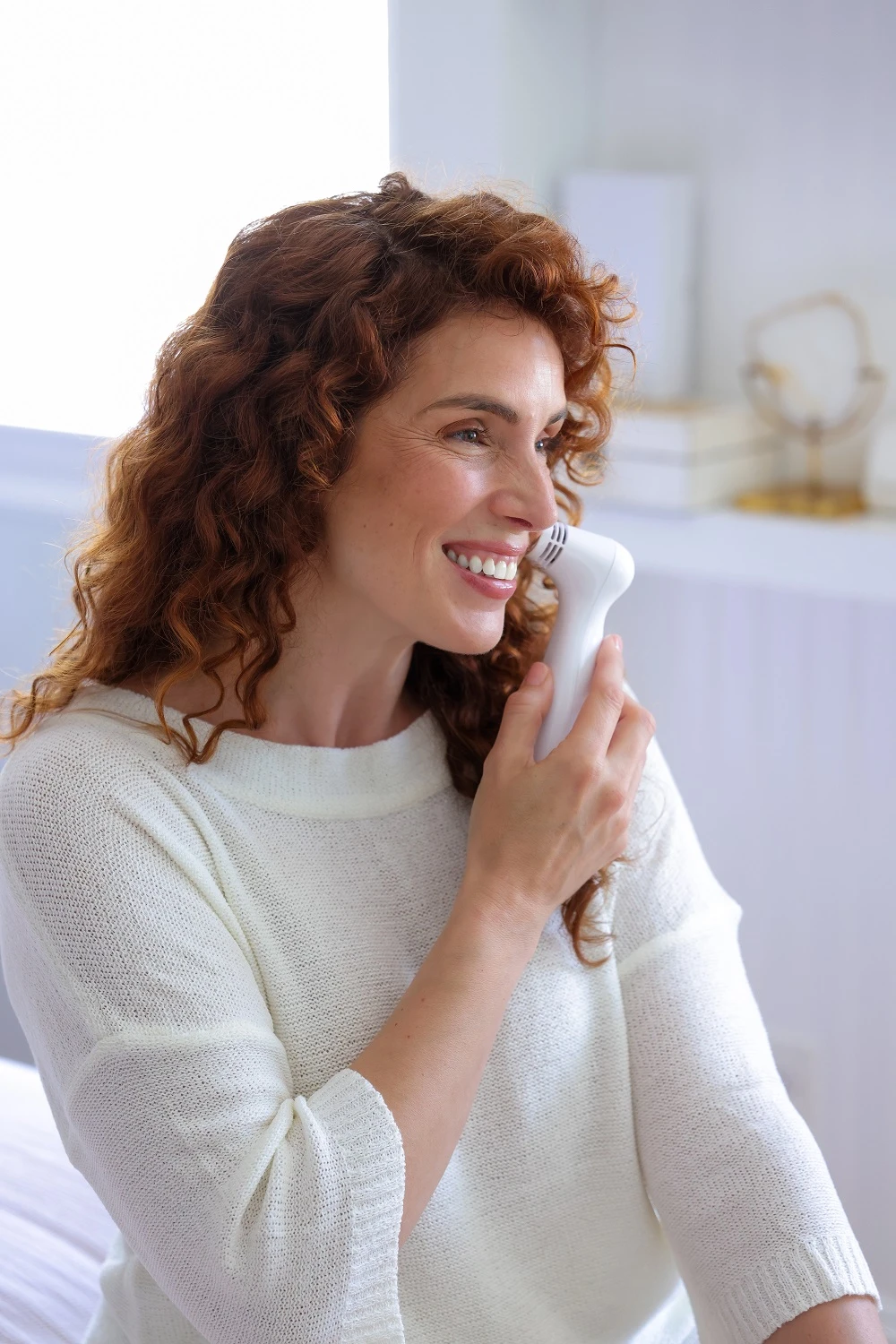
NIRA Skin produces revolutionary wrinkle-reducing skincare devices. As the world’s first and only painless at-home laser technology, the NIRA Pro Laser (2nd Gen) and NIRA Precision Laser deliver clinical results through everyday usability. Using patented non-ablative, non-fractional technology, NIRA naturally stimulates collagen production for smoother, firmer-looking skin in minutes a day.
Learn more about the clinical research behind NIRA Skin lasers at https://www.niraskin.com/
Original Source: https://bit.ly/40tsw1z























Sign in to leave a comment.