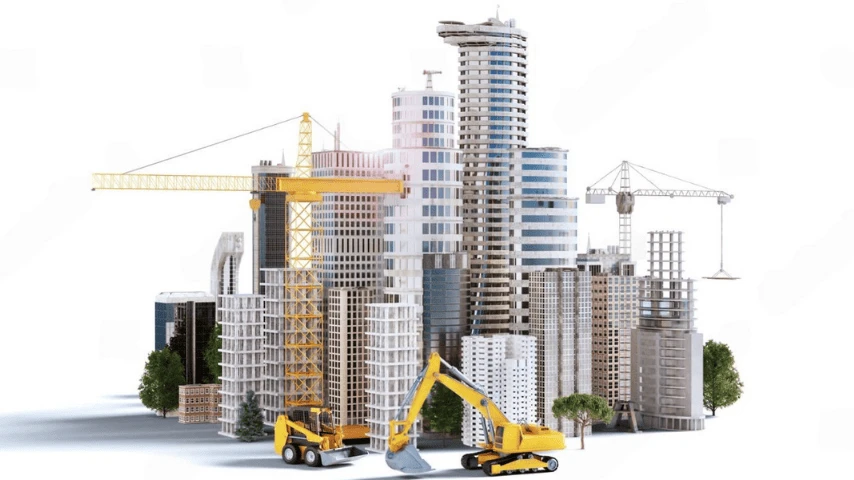

Augmented reality, also known as AR, is transforming how museums in Dubai engage with visitors. It is now playing a major role in miniature model making for museum displays.
These detailed miniatures tell stories of Dubai’s rich cultural and architectural heritage. When combined with AR, they become more than visual models. They turn into interactive tools that enhance learning and storytelling. This combination is changing how history is preserved and presented.
Bringing Models to Life with Augmented Reality
Miniature models are static by nature. They show buildings, streets, or historic scenes in small scale. But on their own, they can only provide limited information. Augmented reality adds a digital layer over the physical model. Visitors can use a tablet or smartphone to scan the model.
The AR app then displays animations, historical data, or visual overlays. For example, an old Dubai souk model may show market activity with moving traders, camels, and goods. This makes the experience more engaging and memorable.
Enhancing Historical Context
Dubai has a long history that spans Bedouin culture, pearl diving, and modern skyscrapers. Miniature model making Dubai captures these phases in detailed replicas. AR helps explain what each part of the model represents. Visitors can click or tap on buildings to learn about their origin, design, or purpose.
This is useful when certain structures no longer exist in the real world. AR helps fill those historical gaps by showing how things looked and functioned in the past.
Guiding Visitors Through Digital Navigation
Large museums in Dubai may have several miniature models placed across rooms. It can be hard for visitors to connect the stories each one tells. Augmented reality can serve as a digital guide. As visitors move through the exhibit, the AR app can suggest where to go next. It can also provide voice narration or subtitles in different languages. This helps international visitors understand the cultural significance of each model.
Overlaying Time-Lapse Views
One of the most powerful uses of AR in miniature model making is time-lapse overlays. Visitors can view how a building or neighborhood changed over the centuries. They can see the transformation of Dubai from a fishing village to a global city. This time-travel effect adds depth to the miniature models. It also encourages younger audiences to explore history in a modern, interactive way.
Adding Interactive Learning Features
AR allows museums in Dubai to turn learning into an active process. Instead of reading static information on plaques, visitors can interact with AR elements. They can click to see construction phases, listen to expert interviews, or take quizzes based on the model. For school trips or family visits, this makes learning more enjoyable and effective.
Showing Internal Structures
Miniature models often show only the outside of buildings. AR can provide internal views without needing to cut open the model. By pointing a device at a structure, users can explore floor plans or interior decorations. This is especially useful for historical homes, mosques, or forts. Visitors get a virtual tour inside without damaging the physical model.
Supporting Inclusive Experiences
AR in miniature model making supports accessibility in Dubai’s museums. For visitors with hearing or visual impairments, AR apps can provide alternate formats. These include audio guides, screen readers, and haptic feedback. Such inclusive features help make heritage more accessible to everyone.
Enabling Real-Time Updates
Museum content can become outdated. With AR, updates can be made to the digital layer without changing the physical model. Museums in Dubai can add new research findings, restore missing elements, or highlight festival decorations during special events. This keeps the miniature displays fresh and relevant.
Encouraging User Participation
Some Dubai museums invite visitors to co-create AR content. They can leave messages, record memories, or take selfies with virtual elements. This kind of participation helps people connect emotionally with the heritage on display. It also encourages return visits, as the experience is never the same twice.
Reducing Wear and Tear on Displays
Physical miniature models are delicate. Over time, frequent handling or close viewing can cause damage. AR allows museums to protect these assets. Visitors interact more with the digital layer and less with the physical structure. This reduces wear and tear, helping preserve the model for future generations.
Blending Technology with Traditional Craft
Miniature model making in Dubai is a craft rooted in tradition. Artists use techniques passed down through generations. AR does not replace this art. Instead, it enhances it. The model remains the centerpiece, while AR adds depth and interaction. This blend of old and new is at the heart of Dubai’s cultural identity.
Conclusion
Augmented reality is reshaping how museums in Dubai use miniature models to tell stories. It turns passive viewing into active discovery. By overlaying data, visuals, sound, and movement, AR brings the past to life in exciting ways. It helps museums educate, engage, and inspire a wider audience.
For a city like Dubai that values both innovation and heritage, this fusion of AR and miniature model making is a perfect match. As technology evolves, the role of AR will only grow, offering even more creative possibilities for museums and their visitors.






















Sign in to leave a comment.