

Australia is in the midst of a significant energy transition. With rising electricity costs, growing climate concerns, and global momentum towards cleaner energy, the country is shifting away from fossil fuels and increasing its reliance on renewable sources like solar, wind, and battery storage.
The Current Energy Landscape
Australia’s electricity generation has historically relied heavily on coal and natural gas. While these sources have provided reliable power, they are also major contributors to greenhouse gas emissions. Rising electricity prices, ageing infrastructure, and increased awareness of climate change have accelerated the push towards renewable energy solutions.
Solar and wind are leading the way in this transition. Rooftop solar installations are booming across cities and regional areas, and large-scale solar and wind farms are being developed to supply the grid with clean energy. Battery storage is also becoming crucial, enabling homes and businesses to store excess energy and reduce dependence on fossil-fuel-based electricity.
Challenges in the Transition
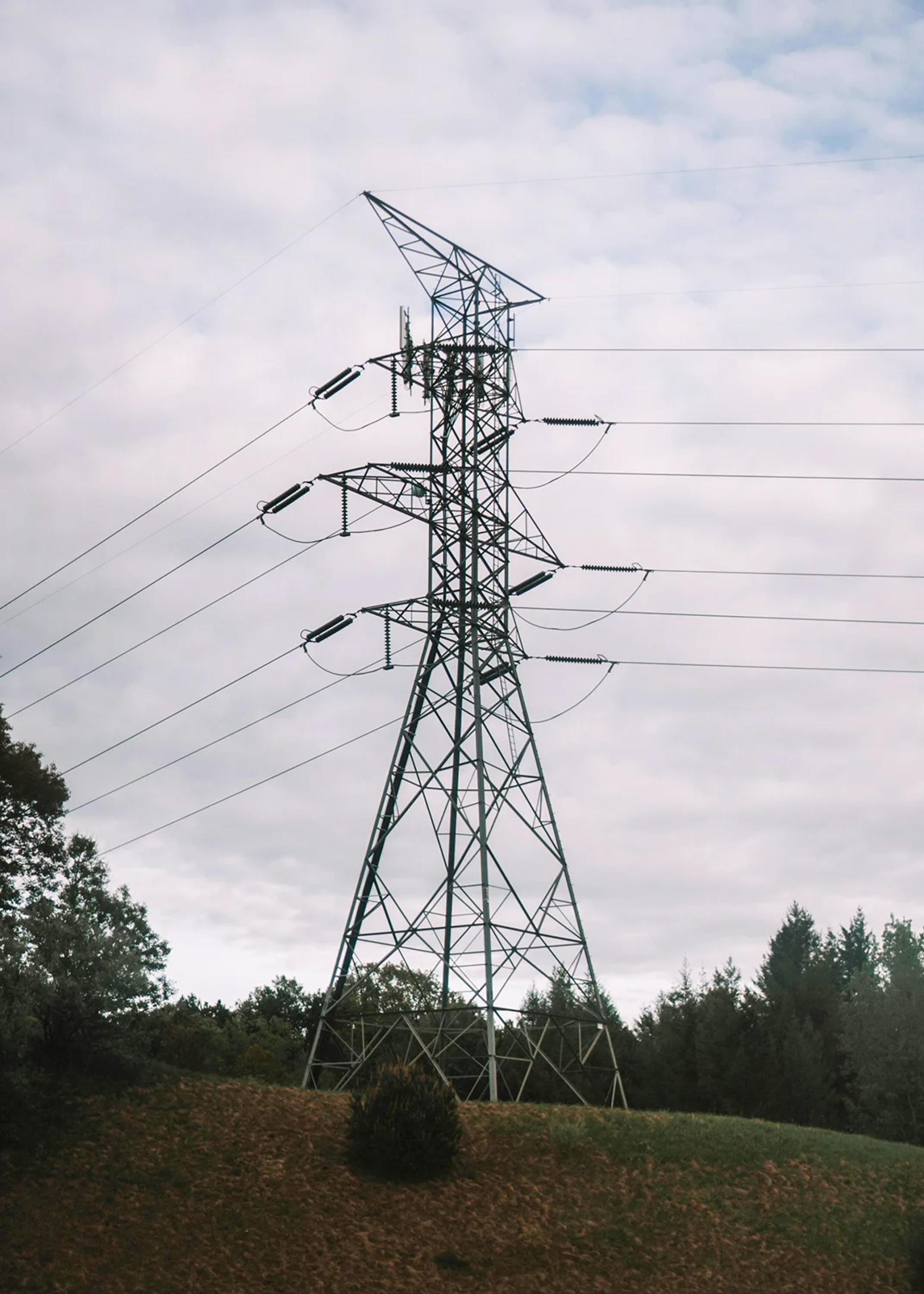
Despite rapid adoption, Australia’s energy transition faces challenges. Grid stability is a key concern, especially as more intermittent renewable sources come online. Investment in transmission infrastructure, smart grids, and energy storage is essential to ensure reliable power supply.
Supply chain constraints, particularly in battery technology, also impact the pace at which households and businesses can fully embrace renewable energy. Global demand for solar panels, batteries, and critical minerals has caused delays and increased costs for installations.
Opportunities for Households and Businesses
For Australians, the energy transition presents multiple opportunities:
- Cost savings: Solar and battery systems reduce electricity bills.
- Energy independence: Homes can generate and store their own power.
- Sustainability: Using clean energy reduces carbon footprints.
- Future-ready properties: Homes and businesses with renewable energy systems are increasingly attractive to buyers and tenants.
Government incentives, rebates, and programs like the Cheaper Home Batteries Scheme are helping to accelerate adoption and make renewable energy more accessible to Australians.
Looking Ahead
Australia’s energy transition is not just a trend—it’s a necessity for economic, environmental, and social reasons. By investing in solar, wind, and battery storage now, households and businesses can future-proof themselves against rising energy costs, contribute to national sustainability goals, and play a key role in the country’s journey towards a renewable future.

























Sign in to leave a comment.