

Setting up or upgrading a steel rolling mill involves dozens of moving parts — civil work, machinery procurement, electrical systems, automation, erection, and commissioning. Managing all of this through separate vendors often means delays, miscommunication, and cost overruns that only show up once the project is already behind schedule. This is exactly the problem turnkey solutions are designed to solve.
If you're evaluating how to execute your next rolling mill or steel plant project, understanding what a turnkey solution actually means — and how the process works — can save you from the coordination headaches that derail most multi-vendor projects.
What Is a Turnkey Solution?
A turnkey solution is a project delivery model where a single provider takes complete responsibility for designing, manufacturing, supplying, erecting, and commissioning a plant or system — then hands it over ready to operate. The buyer doesn't manage separate contractors for civil work, machinery, and automation; one partner owns the entire scope, start to finish.
The term comes from the idea that the buyer simply has to "turn the key" and start production once the project is delivered. For steel plant owners, this typically means one contract covering everything from initial layout planning to final production trials.
How the Turnkey Process Works
A typical turnkey project for a rolling mill or steel plant follows a structured sequence:
1. Project Consultation & Planning
The provider assesses production goals, site conditions, and capacity requirements — usually expressed in tonnes per hour (TPH) — to define the scope of the project.
2. Engineering & Layout Design
Detailed plant layout, equipment specifications, and process flow are engineered around the buyer's specific product mix and available space.
3. Equipment Manufacturing & Supply
Core machinery, auxiliary equipment, and automation systems are manufactured or sourced and integrated as a single package rather than piecemeal purchases.
4. Erection & Installation
Civil work, mechanical installation, and electrical systems are coordinated on-site under one execution timeline, avoiding the gaps that happen when different contractors wait on each other.
5. Commissioning & Testing
The plant is tested end-to-end — mechanical, electrical, and automation systems calibrated together — before handover.
6. Training & After-Sales Support
Operator training and ongoing support ensure the plant runs at expected capacity from day one, not after months of troubleshooting.
Types of Turnkey Solutions
Not every turnkey project starts from the same point. Broadly, turnkey solutions fall into two categories:
Greenfield Turnkey Solutions
This covers a completely new site — land layout, civil construction, machinery, automation, and commissioning, all under one contract. Greenfield turnkey projects are common among new entrants building a facility from scratch, where there's no existing infrastructure to integrate with.
Brownfield Turnkey Solutions
This applies to upgrading or expanding an existing plant. Brownfield projects are more complex because new equipment and automation systems need to integrate smoothly with what's already running — often without stopping production entirely during the transition.
Some projects also fall under customized turnkey solutions, where the buyer needs specific components handled turnkey (like automation or a particular mill section) while managing other parts independently. This hybrid approach works well for plants with existing technical teams that only need support in certain areas.
Key Benefits of Turnkey Solutions
Single Point of Accountability
Instead of coordinating with separate vendors for civil work, machinery, and automation, one provider is responsible for the entire outcome. If something goes wrong, there's no finger-pointing between contractors.
Faster Project Timelines
Because all phases — mechanical, electrical, civil — are pre-scheduled under one execution plan, there are fewer coordination gaps. Projects that would otherwise stall waiting on one vendor to finish before another starts move in parallel instead.
Reduced Risk
Design, engineering, supply, and compliance risks are consolidated under a single contract. This shifts much of the schedule, integration, and quality risk from the buyer to the turnkey provider — a significant advantage in complex heavy equipment projects.
Better Equipment Integration
When one provider handles machinery, automation, and commissioning together, systems are tested and calibrated to work together before reaching the site — rather than being reconciled after installation.
Cost Predictability
A single contract with a defined scope reduces the chances of unexpected costs that typically arise from miscommunication between multiple vendors, change orders, or scope gaps.
Post-Installation Support
Turnkey providers typically include spare parts availability, operator training, and after-sales support as part of the package — ensuring the plant continues running at expected output well after commissioning.
Choosing the Right Turnkey Partner
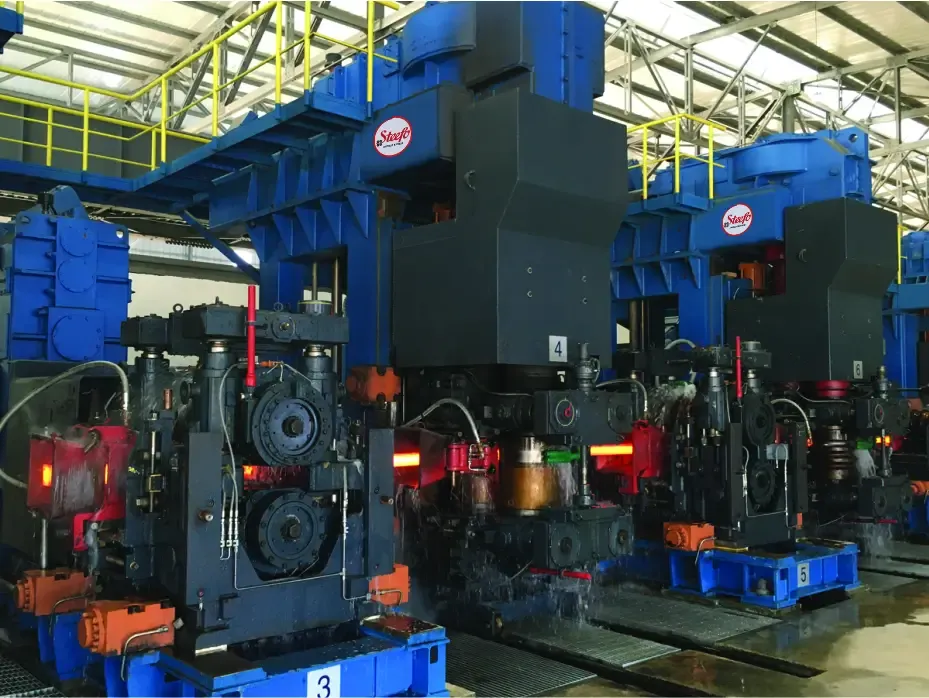
Not all turnkey providers offer the same depth of expertise. For steel rolling mill projects specifically, look for a partner with a proven track record across both greenfield and brownfield projects, in-house manufacturing capability (rather than pure outsourcing), and experience integrating automation with mechanical systems. The Steefo Group has executed turnkey rolling mill projects across India and export markets, handling everything from concept to commissioning for greenfield and brownfield steel plants alike.
Choosing turnkey isn't just about convenience — it's about transferring execution risk to a partner who has already solved the coordination problems that typically derail multi-vendor projects.
FAQs
1. What is the difference between a turnkey solution and EPC?
EPC (Engineering, Procurement, Construction) is often used interchangeably with turnkey, but turnkey typically implies the plant is handed over fully operational, including testing and commissioning — not just constructed and left for the buyer to start up.
2. Is a turnkey solution more expensive than managing vendors separately?
Not necessarily. While the upfront contract value may look higher, turnkey solutions typically reduce hidden costs from delays, miscommunication, and rework that come from coordinating multiple vendors independently.
3. Can a turnkey solution be used for expanding an existing plant?
Yes — this falls under brownfield turnkey solutions, where new equipment and automation are integrated with existing infrastructure, often while managing production continuity during the transition.

























Sign in to leave a comment.