
(1).png)
As the core equipment for converting hydropower into electrical energy, water turbine generators are widely used in hydropower stations, small hydroelectric sys…
When choosing a backup power solution, many buyers hesitate between an inverter generator and a conventional generator. At first glance, both machines look simi…
RV solar power is a practical solution for camping, road trips, off-grid travel, and emergency backup power. With the right setup, solar panels can collect sunl…
Choosing between a PWM and an MPPT solar charge controller is often presented as a simple decision: PWM for small systems and MPPT for larger ones. While that r…
Choosing a frequency converter requires more than matching its kVA rating to the equipment wattage. The converter must match the required voltage, frequency and…
A three-phase autotransformer should be sized according to the maximum apparent power delivered to the connected load. The basic calculation uses the required o…
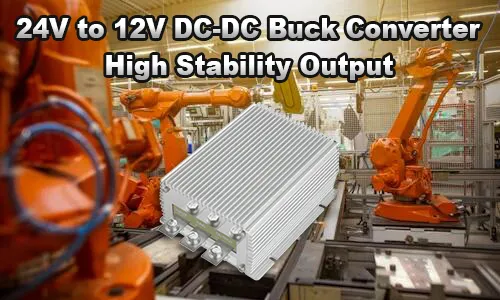
PowerHome Blog shares practical guides, product knowledge, sizing tips, and application advice on voltage converters, DC-DC conver…
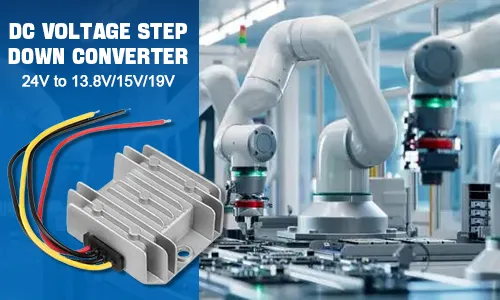
A voltage converter is an essential device for anyone using electronics in different countries or regions. Since power standards vary worldwide, a voltage converter helps adjust the electrical voltage to match your device’s requirements, preventing damage, overheating, or malfunction. Whether you are traveling abroad, using imported appliances, or working with international equipment, choosing the right voltage converter can make your devices safer, more reliable, and easier to use.