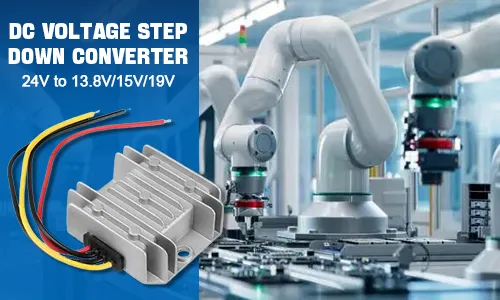

What Is a Voltage Converter?
A voltage converter is a practical device that changes electrical voltage from one level to another, allowing electronic devices to work safely in different regions. Around the world, electrical systems are not the same. For example, the United States typically uses 110V–120V power, while many countries in Europe and Asia use 220V–240V. Because of this difference, plugging a device directly into the wrong power source can cause serious damage, including overheating, reduced lifespan, or complete failure.
A voltage converter solves this issue by adjusting the incoming power to match what your device needs. It acts as a bridge between incompatible electrical systems, making it possible to use your electronics safely almost anywhere.

Why You May Need a Voltage Converter
There are several common situations where a voltage converter becomes necessary. One of the most frequent scenarios is international travel. When traveling, people often bring devices like smartphones, laptops, cameras, or personal care appliances. While some modern chargers support dual voltage, many devices still require proper voltage conversion.
Another common use is for imported electronics. Many people purchase appliances or gadgets from overseas because of price, quality, or availability. However, these products may not match local voltage standards. Without a voltage converter, they may not function properly or could be permanently damaged.
Voltage converters are also widely used in offices, workshops, and small businesses where equipment from different regions needs to operate together. Instead of replacing expensive machines, using a converter is often a more cost-effective solution.
Step-Up and Step-Down Voltage Converters
Voltage converters are generally divided into two main types. A step-up converter increases voltage, such as converting 110V to 220V. This is useful when using devices designed for higher voltage in a lower-voltage region. A step-down converter does the opposite, reducing voltage from 220V to 110V, which is ideal for using North American devices in countries with higher voltage systems.
Choosing the correct type is essential. Using the wrong converter will not only fail to power your device properly but may also cause damage. Always check the voltage requirement listed on your device before making a decision.
Check the Wattage Before Buying
One of the most important factors when choosing a voltage converter is wattage. Every electrical device requires a certain amount of power to operate, usually measured in watts. This information is often printed on the device label or power adapter.
It is recommended to choose a converter with a higher wattage capacity than your device requires. For example, if your device uses 100 watts, selecting a converter rated for at least 150–200 watts will provide a safer margin. High-power devices such as hair dryers, irons, kettles, and coffee machines require much more powerful converters compared to small electronics like phone chargers or tablets.
Using a converter with insufficient wattage can cause overheating, unstable performance, or even failure of the converter itself.
Plug Adapter vs Voltage Converter
A common mistake is confusing a plug adapter with a voltage converter. A plug adapter only changes the shape of the plug so that it fits into a different type of outlet. It does not change the electrical voltage. A voltage converter, on the other hand, actively transforms the voltage to match your device.
In many situations, especially when traveling internationally, you may need both. First, a plug adapter ensures the device can be physically connected. Then, a voltage converter ensures the power is safe to use.
Safety Features
Safety is a critical factor when using any electrical device. A high-quality voltage converter should include features such as overload protection, short-circuit protection, and temperature control. These features help prevent damage to both the converter and your electronics.
Good ventilation is also important. Converters can generate heat during operation, especially when used for extended periods or with high-power devices. Placing the converter in a well-ventilated area can improve performance and reduce risk.
It is also wise to avoid extremely cheap or unverified products, as they may lack proper safety mechanisms.
Common Uses of Voltage Converters
Voltage converters are used in many everyday situations. Travelers use them to keep their devices powered abroad. Home users rely on them for imported appliances. Businesses use them to operate equipment from different countries without replacing entire systems.
In addition, voltage converters are useful in temporary setups, such as exhibitions, events, or international projects, where equipment from multiple regions must be used together.
How to Choose the Right Voltage Converter
When selecting a voltage converter, consider several factors. First, check the input and output voltage requirements. Second, ensure the wattage capacity is sufficient. Third, consider the type of device you are using, especially if it includes heating elements or motors.
Portability may also be important for travelers, while durability may be more important for home or industrial use. Reading product specifications and user reviews can help you make a better decision.
If you are still unsure which option is best, you can refer to this detailed guide for more information:
👉 https://www.powerhome.com/dc-dc-converter
This resource provides practical advice on choosing the right converter for different situations and device types.
Tips for Using a Voltage Converter Safely
To get the best results from your voltage converter, always check your device’s voltage rating before use. Avoid connecting multiple high-power devices to a single converter unless it is designed to handle the load. Turn off the converter when not in use to prevent unnecessary wear.
It is also recommended to test the setup with a low-power device first before connecting more sensitive or expensive equipment.
A voltage converter is an essential tool in today’s connected world. It allows people to use electronic devices across different regions safely and conveniently. Whether you are traveling, working with international equipment, or using imported products at home, choosing the right voltage converter can help protect your devices and avoid unnecessary costs.


















Sign in to leave a comment.