

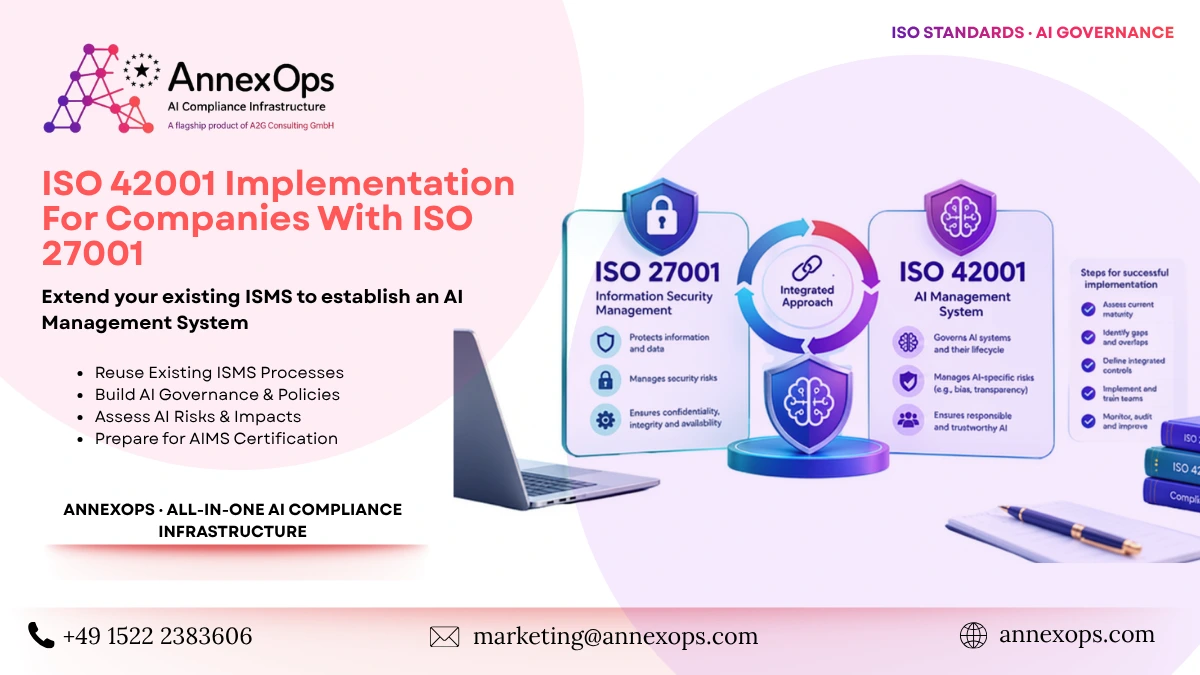
ISO 42001 implementation for a company that already holds ISO 27001 means extending its existing management system to address AI-specific requirements. The proc…

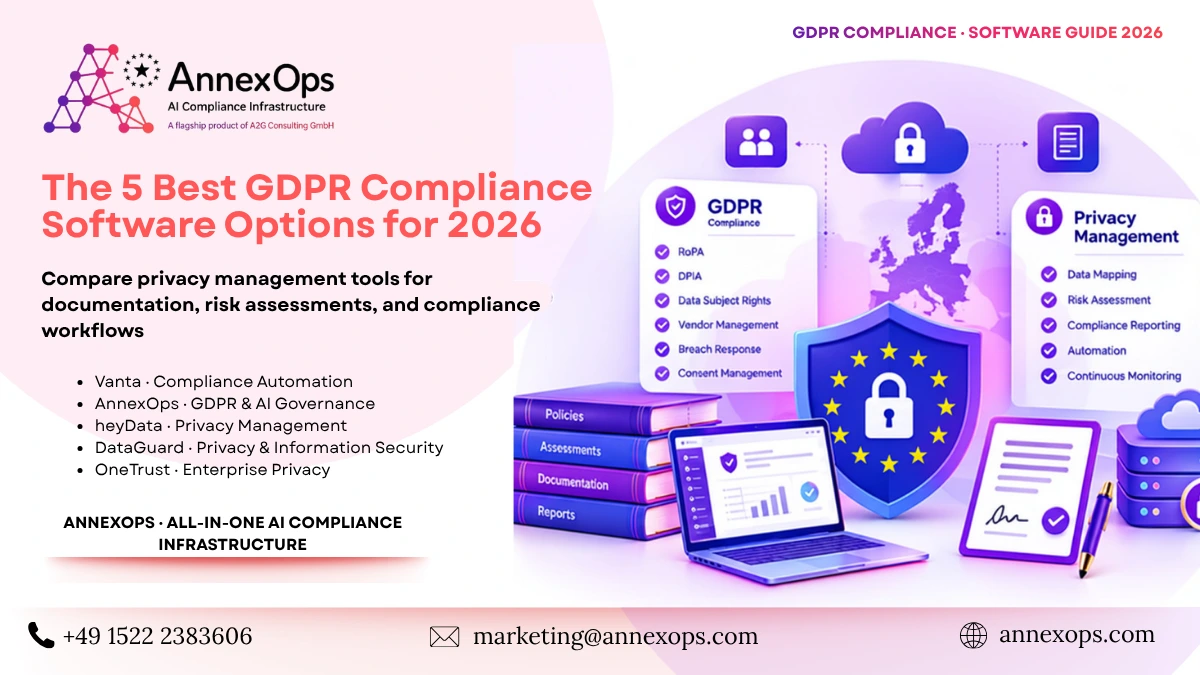
GDPR compliance becomes more difficult as organizations collect personal data across business applications, cloud environments, customer platforms, and AI syste…
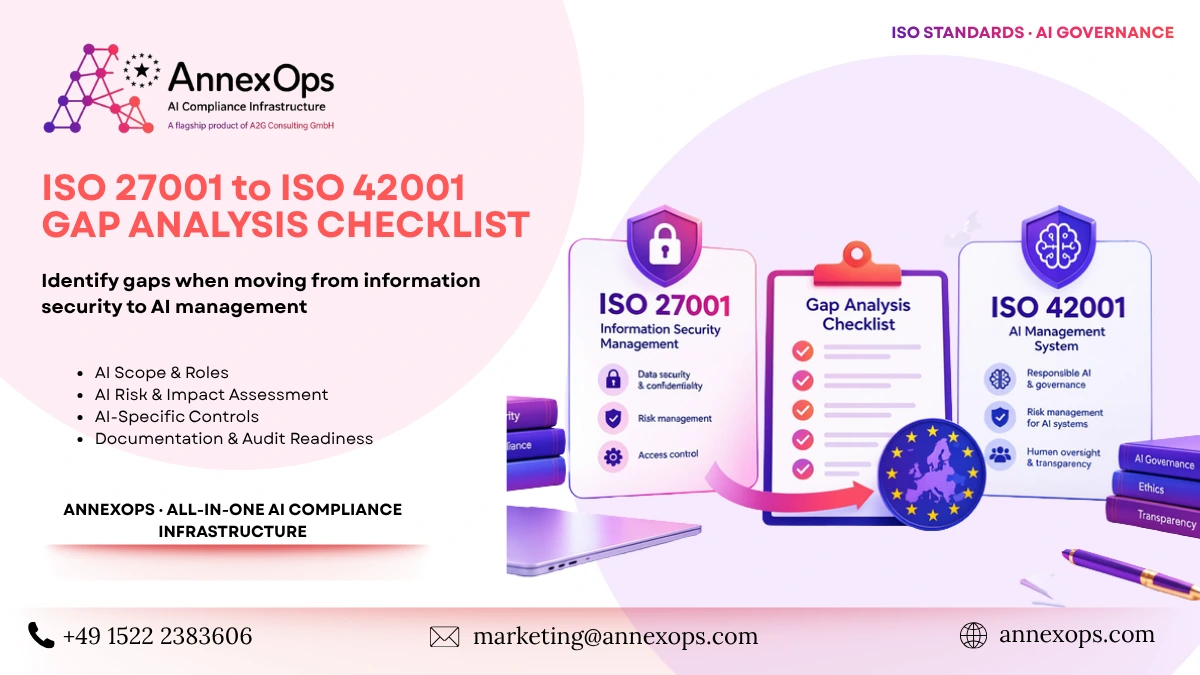
An ISO 42001 gap analysis helps organisations that already hold ISO 27001 identify which parts of their existing Information Security Management System (ISMS) c…
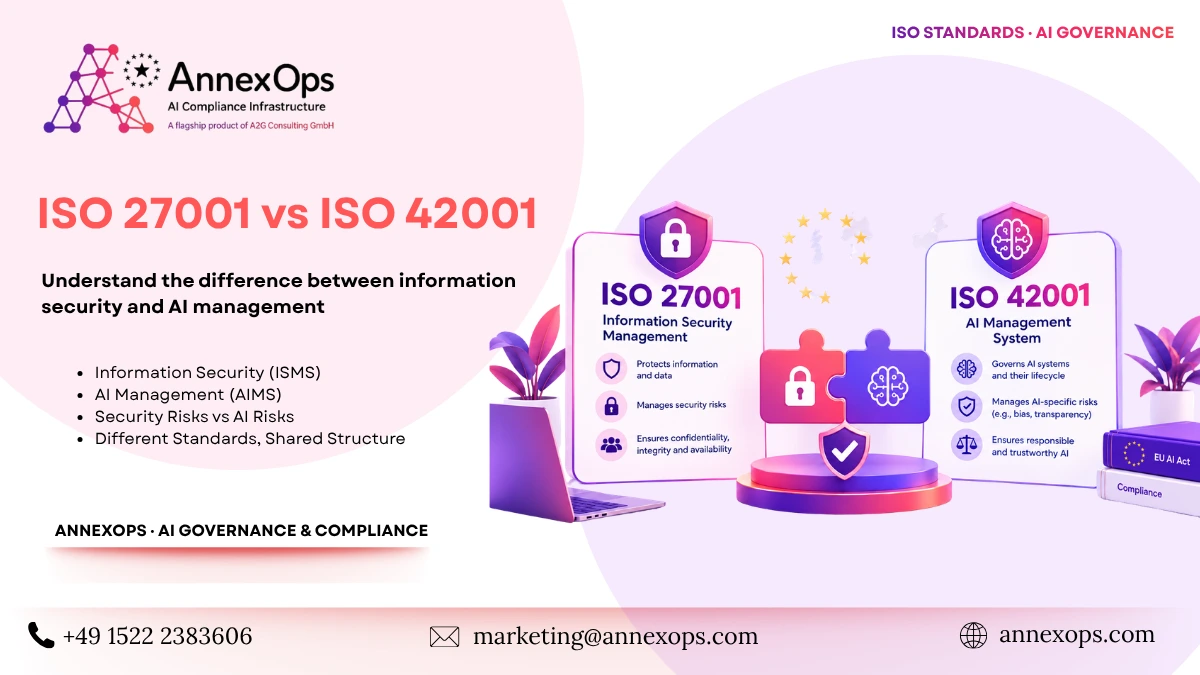
The main difference in ISO 27001 vs ISO 42001 is the subject of the management system: ISO 27001 manages information security risk, while ISO 42001 manages the …
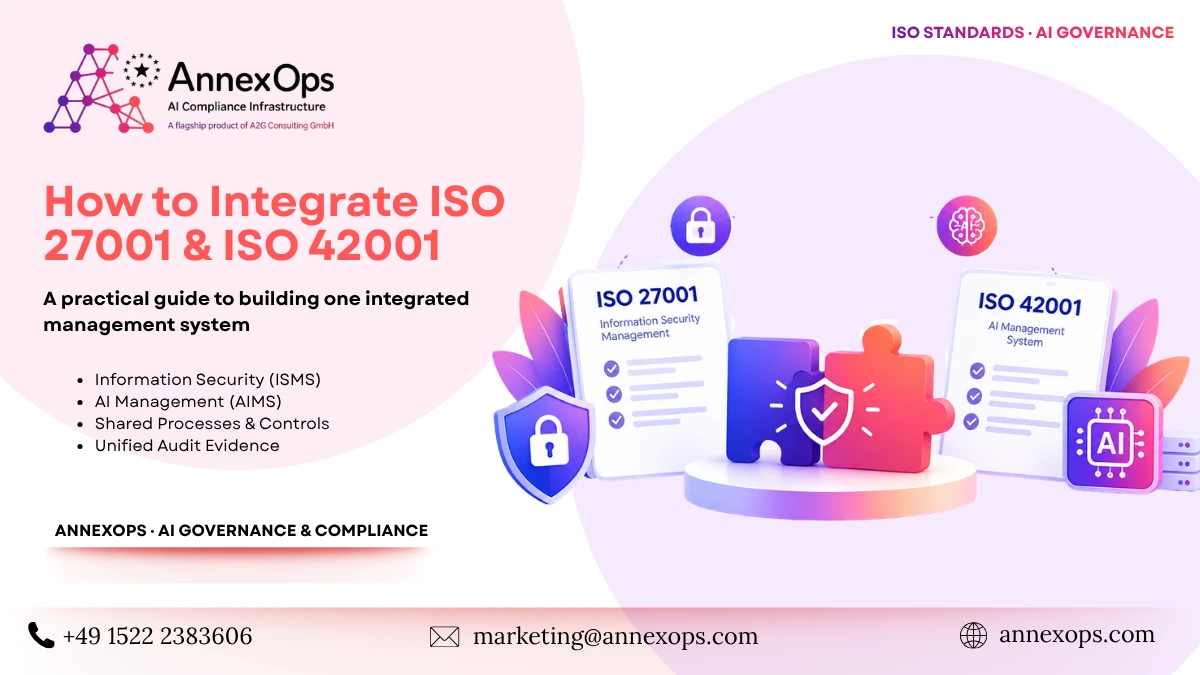
ISO 27001 and ISO 42001 can be integrated into a single management system because they use the same harmonised structure for clauses 4 to 10. Organisations can …
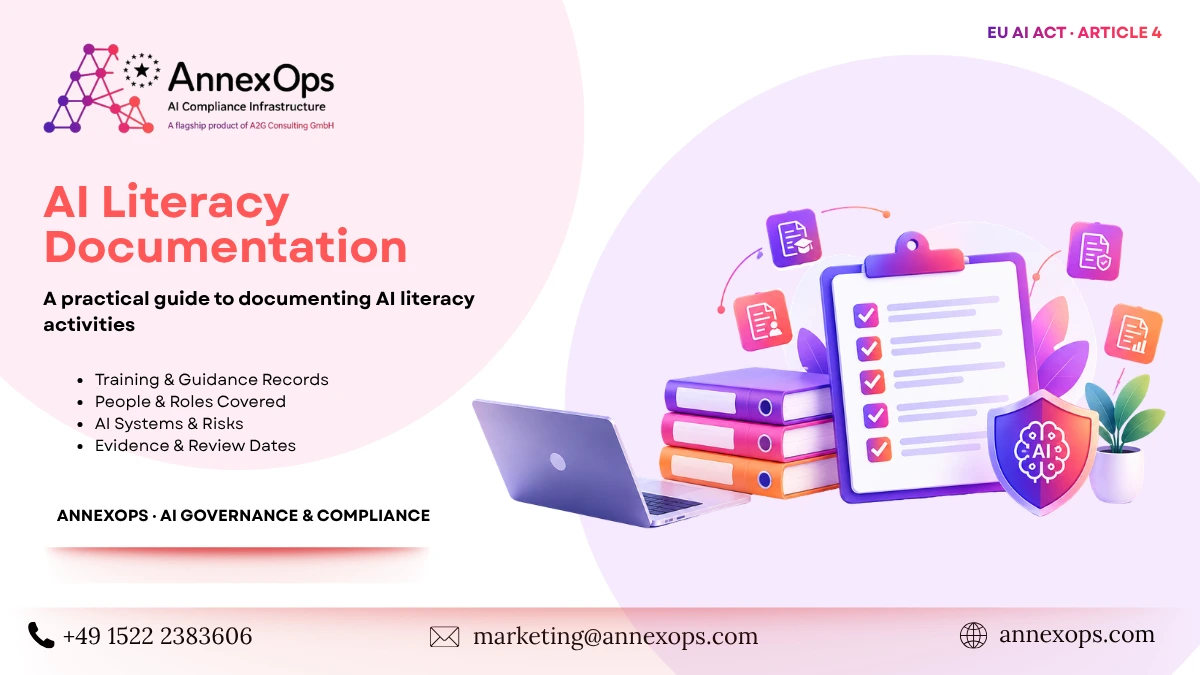
AI literacy documentation under Article 4 of the EU AI Act does not require a prescribed template or a certificate. The European Commission confirms that organi…
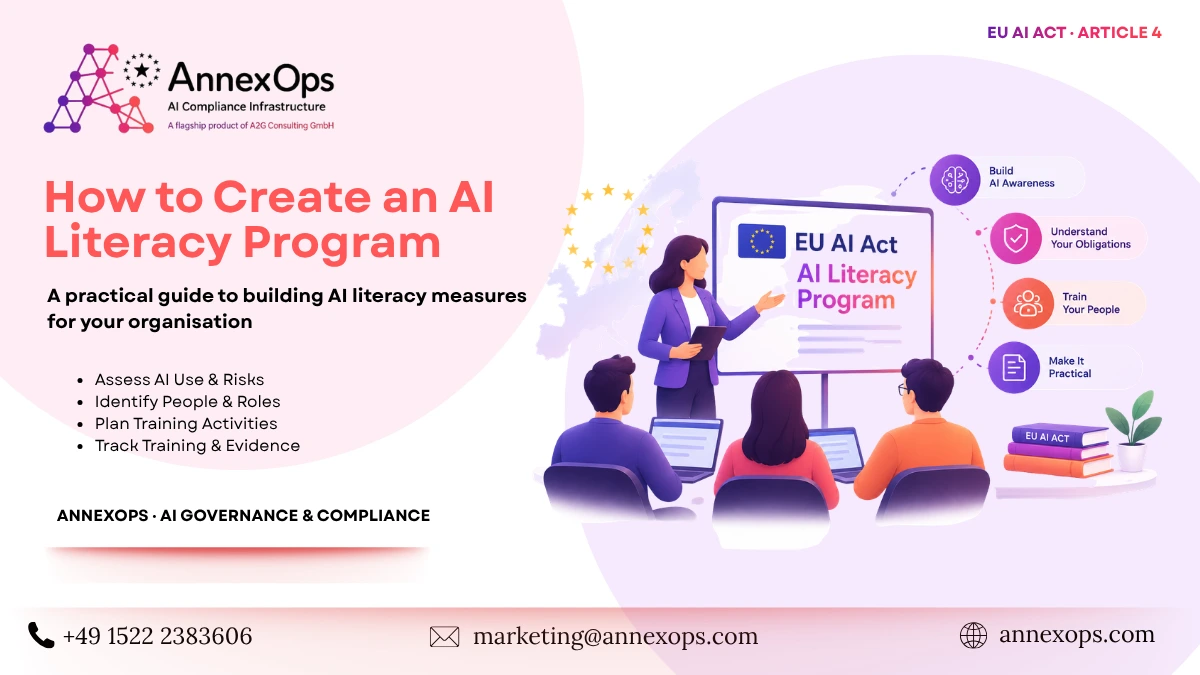
To create an AI literacy program under the EU AI Act, start with the four considerations outlined in the European Commission’s AI Literacy Q&A: build a general …

A company introduces an AI tool to screen job applications. Another develops a recruitment system and sells it to employers across Europe. Both work with AI, bu…
An AI literacy training checklist for companies should cover five things: which AI systems you use, who works with them, what each group needs to know, what tra…
DORA and NIS2 are two major EU cybersecurity and operational resilience frameworks, but they do not apply in exactly the same way. DORA vs NIS2 is therefore not…

Who needs AI literacy training under the EU AI Act? Article 4 covers staff and “other persons dealing with the operation and use of AI systems” on behalf of a p…
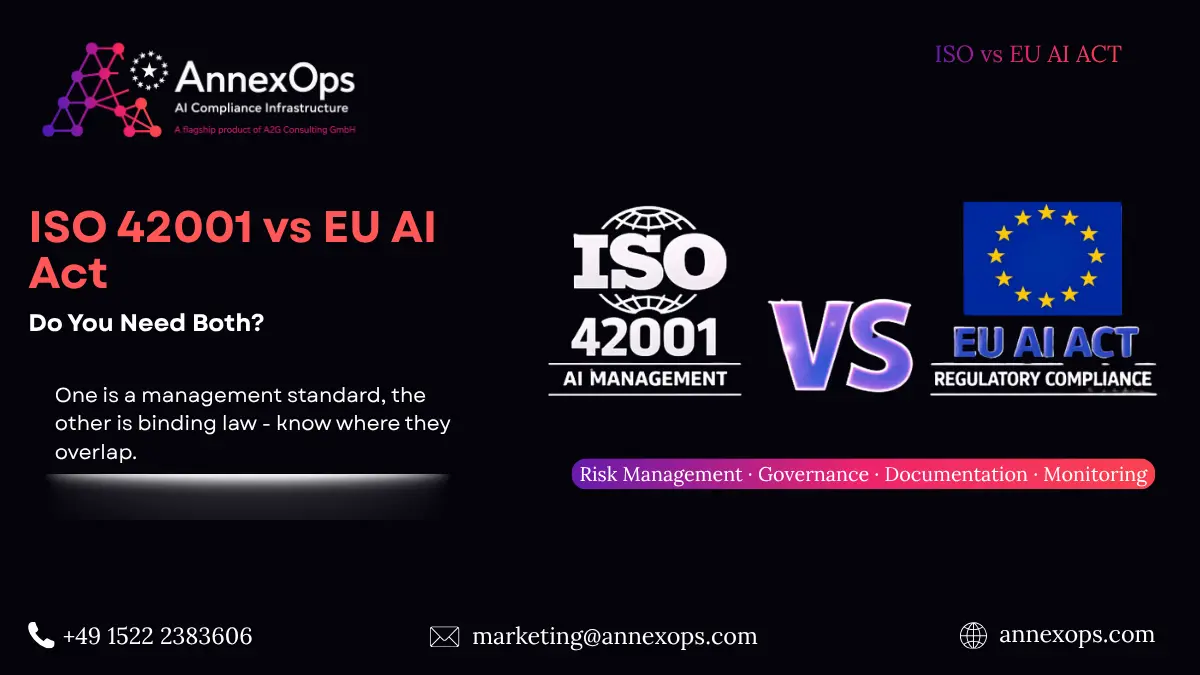
If your organization develops, provides, or uses artificial intelligence, at some point, you will need to compare ISO 42001 and the EU AI Act. The two framewor…
Article 4 of the EU AI Act requires providers and deployers of AI systems to take measures supporting the AI literacy of their staff and anyone else dealing wit…
If a high-risk AI system causes a serious incident in Germany, the EU AI Act can require the provider to notify the relevant market surveillance authority under…
Germany’s KI-MIG (KI-Marktüberwachungs- und Innovationsförderungs-Gesetz) provides the national framework for implementing and enforcing the EU AI Act in German…
Germany does not have a single authority responsible for every EU AI Act case. The Bundesnetzagentur (BNetzA) is the default market surveillance authority under…
AI is becoming part of everyday business operations. Companies use AI for customer support, recruitment, fraud detection, marketing, software development, analy…

Managing AI systems is becoming a more operational task for Data Protection Officers. AI applications can sit across different departments, use different data, …
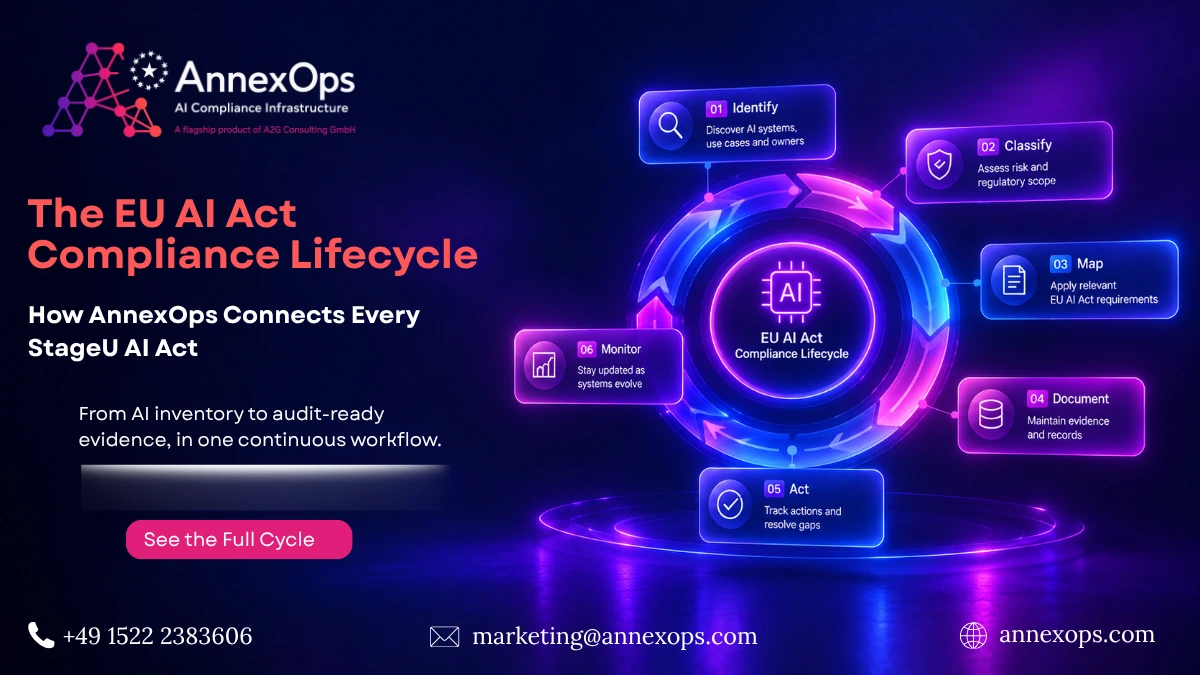
EU AI Act compliance is not something organisations can manage effectively with a single checklist. The process begins with identifying the AI systems used or p…
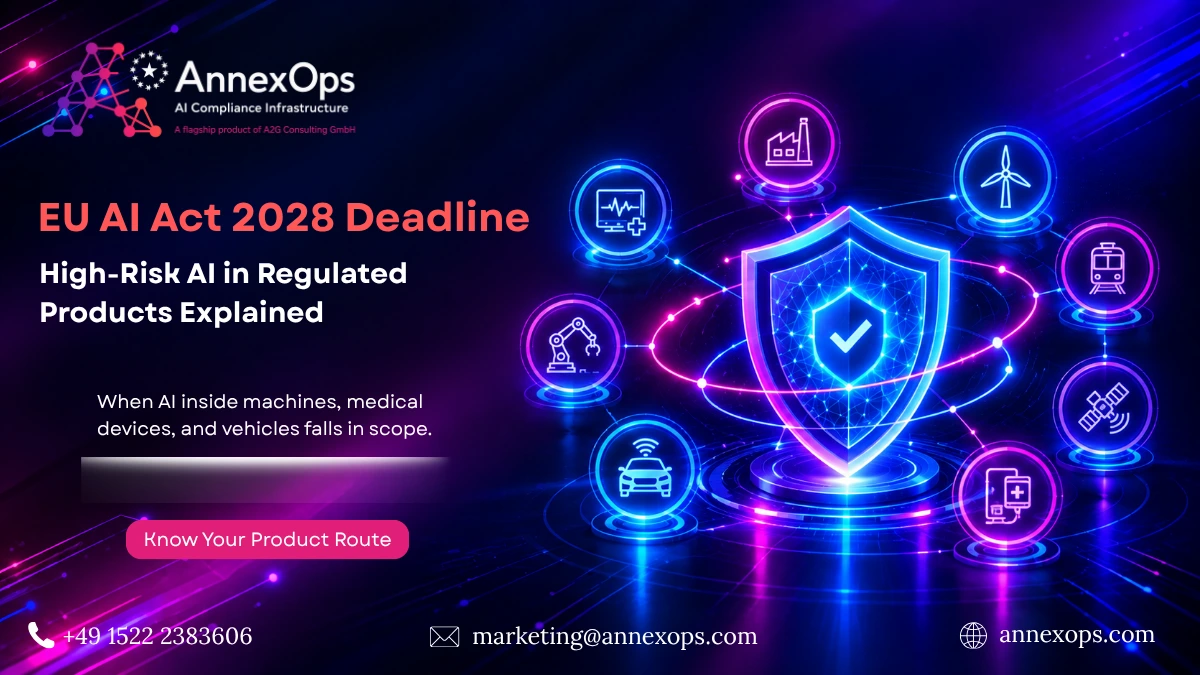
The EU AI Act 2028 Deadline applies to a specific category of high-risk AI systems: those covered by Article 6(1) and Annex I because they are integrated into c…