


For aspiring digital artists, pursuing structured higher education offers a comprehensive pathway to transition from enthusiasts to industry-ready creative specialists.
Real-time rendering engines, AAA gaming production pipelines, and photorealistic visual effects have permanently altered how visual narratives are constructed and consumed.

Graphic design serves as the cornerstone of visual communication in the modern digital age. From compelling brand identities and marketing collateral to intuitive digital interfaces and dynamic motion graphics, visual assets define how businesses connect with audiences.
Independent creators and students entering the entertainment industry no longer need multi-million-dollar studio budgets to generate cinematic worlds, realistic creatures, or physics-defying action sequences.

The creative industry has evolved into a dynamic landscape where visual communication drives business growth, digital identity, and brand storytelling.

Completing high school is a critical milestone where every student stands at the crossroads of traditional academic paths and modern creative industries.

Graphic design is the discipline of visual problem-solving, purposeful communication, and creative expression. In our hyper-visual modern economy, impactful design governs how businesses interact with their audiences, establish identity, and deliver information.
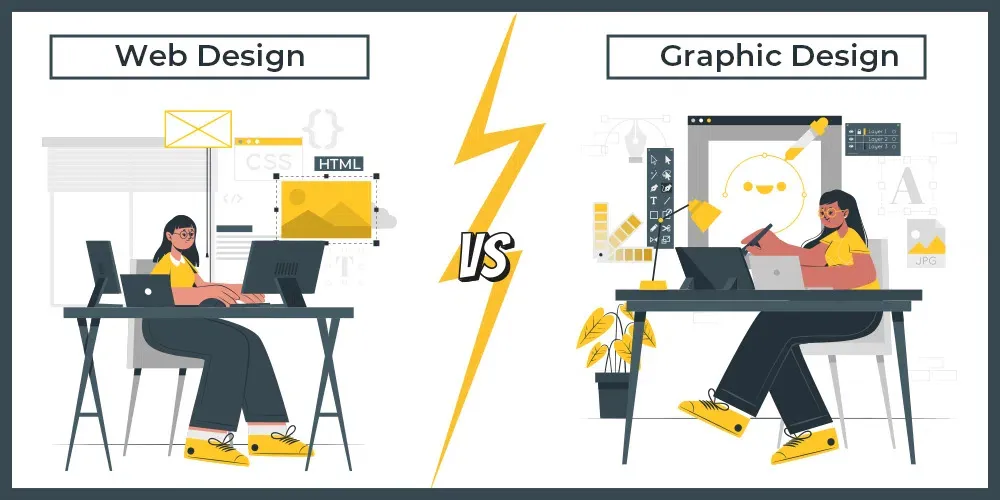
Entering the creative industry through graphic and digital design opens avenues across marketing, software development, multimedia production, and branding.
Understanding the fundamental distinctions between 2D and 3D animation is essential for creators, studios, and aspiring animators.