


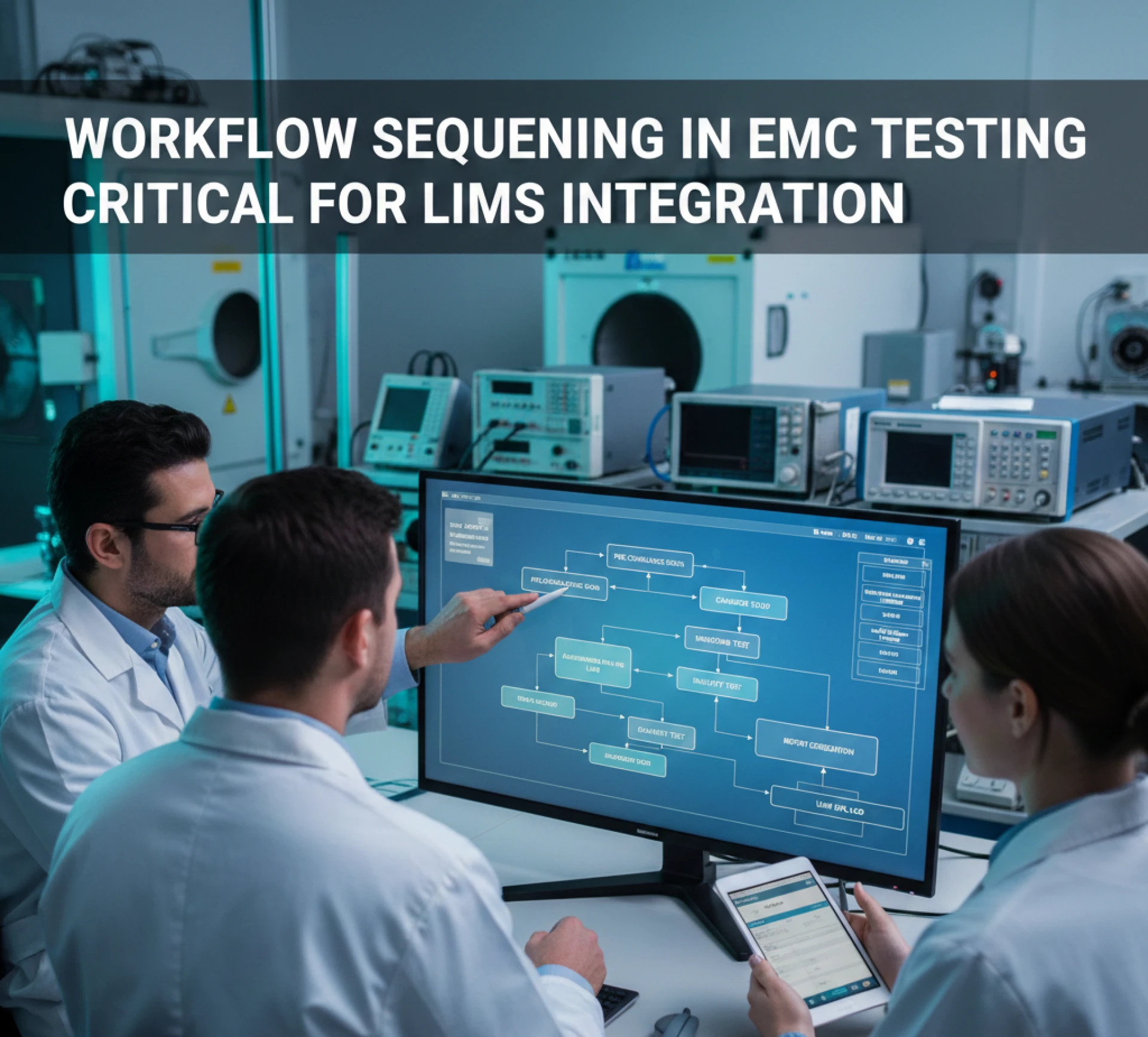
Workflow sequencing is a critical factor in achieving accurate, reliable, and compliant EMC test results. By following a structured order for calibration, environment setup, test execution, and data logging, EMC laboratories can minimize errors, reduce re-runs, and ensure reproducibility. Proper sequencing also supports regulatory compliance, optimizes resource utilization, protects sensitive instruments, and strengthens data integrity. As EMC testing grows more complex in 2025, disciplined workflow sequencing has become essential for improving efficiency, maintaining quality, and meeting global compliance standards.
Traceability is a critical requirement in EMC testing, linking test results to samples, instruments, personnel, and procedures. This article explains why traceability matters and how EMC laboratories can implement effective, compliant practices to ensure reliable and reproducible results.
EMC testing laboratories face unprecedented challenges from growing device connectivity, complex regulations, and client demand for faster results. AI, advanced automation, and digital ecosystems are reshaping lab operations, enabling improved efficiency, data-driven decisions, and seamless client integration. This guide explores the technologies and strategies driving the future of EMC testing laboratories.

Industrial equipment testing labs handle complex workflows, strict standards, and large volumes of data. SMIL-E simplifies operations through automated workflows, calibration alerts, document control, environmental monitoring, and accurate billing—helping labs improve productivity, reduce errors, and maintain strong compliance.