
Introduction
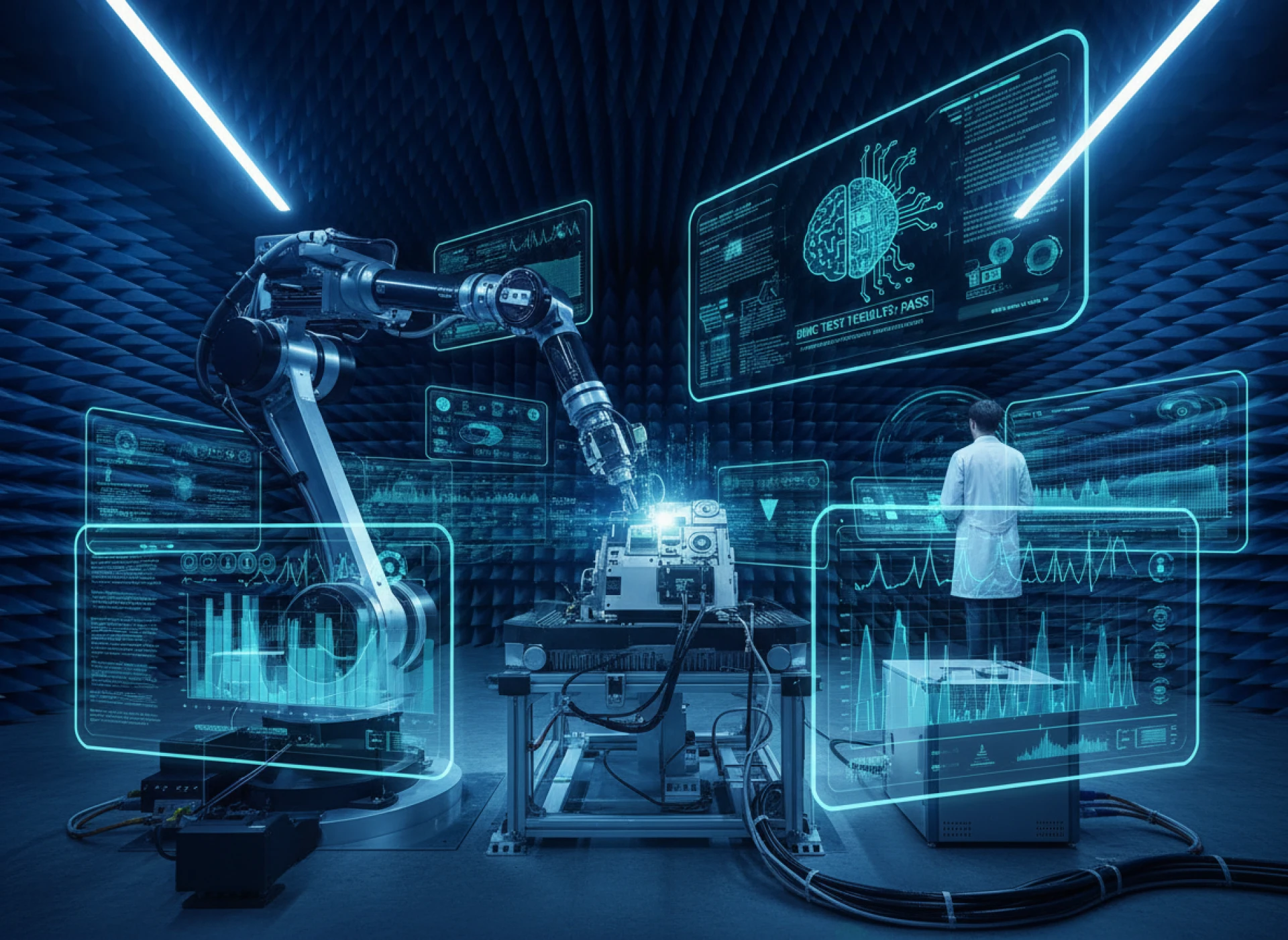
Electromagnetic Compatibility (EMC) testing laboratories are experiencing a technological transformation. Artificial intelligence (AI), advanced automation, Internet of Things (IoT) connectivity, and digital ecosystem integration are reshaping laboratory operations, client interactions, and workflow efficiency.
Traditional laboratory models—manual processes, paper-based workflows, and disconnected systems—struggle to keep pace with rising testing volumes, complex regulations, and accelerated product development timelines. Modern EMC laboratories must embrace digital transformation to remain competitive, scale operations, and meet evolving client expectations.
This guide explores the trends, technologies, and strategies shaping the future of EMC laboratories, focusing on AI, automation, digital integration, and data-driven decision-making.
Key Drivers of EMC Laboratory Transformation
Exponential Growth in Connected Devices
The proliferation of wireless devices and IoT systems is creating unprecedented demand for EMC testing. By 2030, billions of devices will require validation, pushing traditional laboratory processes to their limits. Automated scheduling, digital workflows, and integrated systems are essential to handle increasing workloads efficiently.
Increasing Regulatory Complexity
EMC testing standards continue evolving globally, requiring laboratories to manage more complex test configurations and compliance documentation. Manual processes cannot keep pace with changing regulations, making digital systems crucial for accuracy, traceability, and audit readiness.
Client Expectations for Speed and Transparency
Manufacturers expect faster turnaround times, real-time test visibility, and seamless digital communication. Laboratories that cannot provide instant access to results or track testing progress risk losing business to digitally enabled competitors.
Talent Challenges and Knowledge Management
Experienced EMC engineers are retiring faster than new talent is entering the field. AI-powered knowledge management tools help preserve institutional expertise, guide less-experienced staff, and ensure consistent quality across projects.
AI and Machine Learning in EMC Laboratories
Predictive Test Planning
Machine learning algorithms analyze historical test data and device specifications to suggest optimal test configurations and identify potential problem areas. This reduces setup time, increases first-pass success rates, and minimizes manual planning errors.
Intelligent Anomaly Detection
AI systems can automatically detect anomalies in test data, flagging potential compliance issues and filtering irrelevant information. Engineers focus on critical issues, improving accuracy and speeding up analysis.
Automated Reporting
Advanced software can generate draft reports based on test results and compliance criteria. Automation reduces the time spent on manual documentation, allowing engineers to focus on value-added analysis.
Predictive Equipment Maintenance
AI monitors equipment performance to predict maintenance needs before failures occur, preventing costly downtime and ensuring reliable testing operations.
Advanced Automation in EMC Laboratories
Autonomous Test Execution
Automated systems can set up, execute, and adapt test sequences without human intervention, capturing comprehensive data efficiently. This reduces manual workload and ensures consistent testing quality.
Intelligent Resource Scheduling
AI-powered scheduling optimizes technician allocation, equipment usage, and test chamber availability. Dynamic re-optimization maximizes throughput and reduces idle time.
Robotic Sample Handling
Automated robotics can transport samples, position devices, and handle repetitive tasks, freeing technicians to focus on complex testing and troubleshooting.
Digital Ecosystems and Client Integration
Seamless Client Interaction
Digital portals and APIs allow clients to submit test requests, track progress, and receive results instantly. This creates collaborative relationships, improves client satisfaction, and strengthens retention.
Equipment Connectivity
IoT-enabled testing equipment automatically uploads measurement data and downloads configurations, eliminating manual data entry and reducing errors.
Regulatory Database Integration
Integration with global regulatory databases ensures laboratories apply the latest standards automatically, reducing compliance risks.
Supply Chain Visibility
Digital integration allows manufacturers and distributors to monitor testing status in real time, enhancing transparency and operational efficiency.
Data-Driven Decision Making
Comprehensive Analytics
Digital systems generate insights into testing efficiency, resource utilization, client trends, and profitability. Analytics support data-driven decisions, strategic planning, and workflow optimization.
Benchmarking and Continuous Improvement
Historical data enables laboratories to benchmark performance, identify trends, and implement targeted improvements, accelerating organizational learning and operational efficiency.
Client Insight and Personalization
Tracking client preferences and test patterns allows laboratories to customize service, optimize communication, and enhance satisfaction, creating a competitive edge.
Cybersecurity and Operational Reliability
Protecting Sensitive Data
As laboratories become digitally integrated, robust cybersecurity measures—including encryption, access controls, and audit logging—are essential to protect sensitive client data.
Ensuring System Availability
Cybersecurity programs must safeguard against threats such as ransomware, DDoS attacks, and operational disruptions, ensuring laboratories maintain continuous operations.
The Modern EMC Laboratory Technology Stack
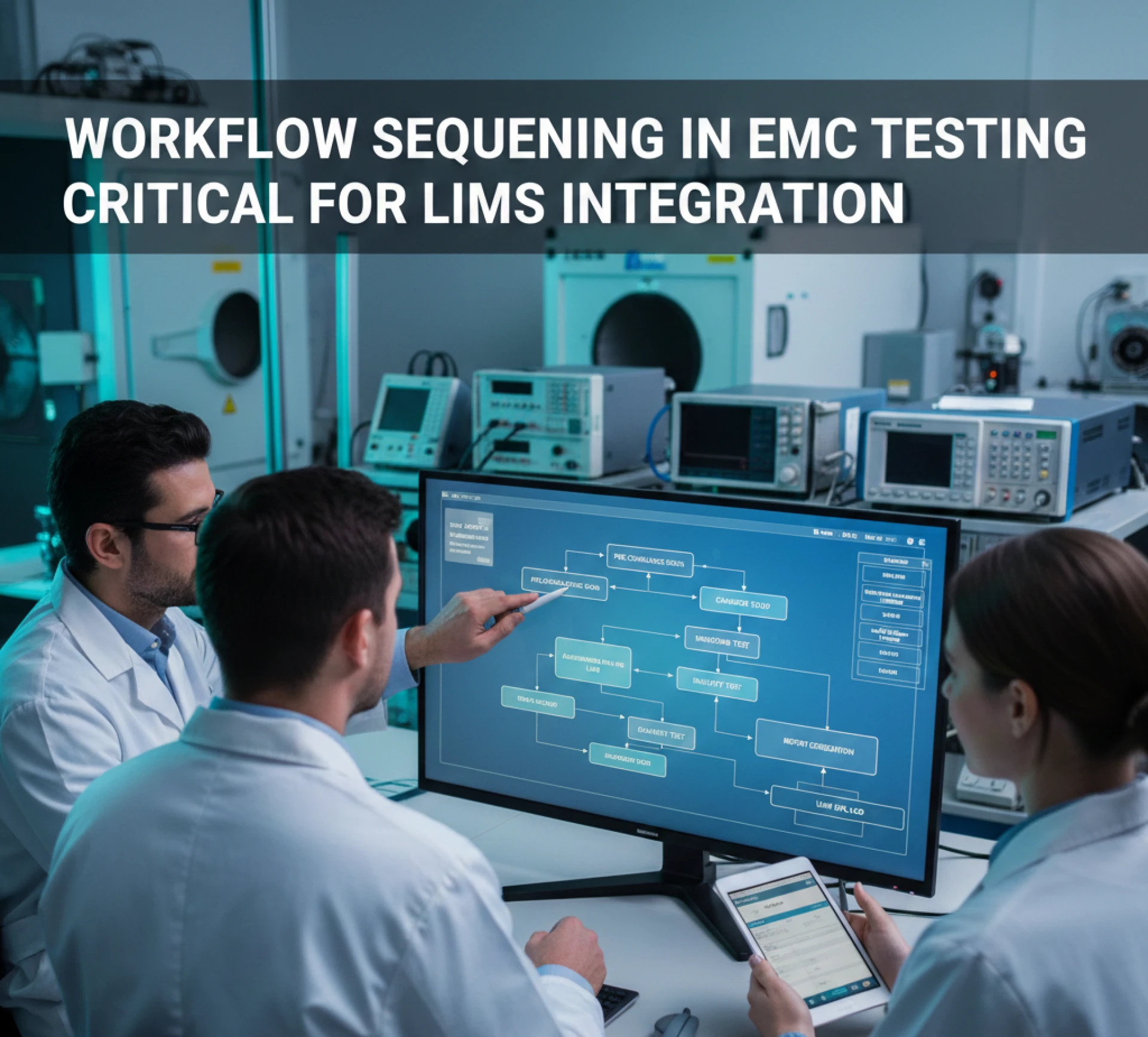
- LIMS as the Central Operating System – Orchestrates test workflows, resource allocation, client interaction, and compliance management.
- Equipment Connectivity and IoT Layer – Automates data capture and remote configuration of testing instruments.
- AI and Analytics Layer – Enables intelligent planning, anomaly detection, predictive maintenance, and performance optimization.
- Client Portal and API Layer – Provides seamless digital access and integration into client development workflows.
- Security and Infrastructure Layer – Ensures enterprise-grade cybersecurity, cloud infrastructure, and disaster recovery.
Implementation Roadmap for Digital Transformation
- Phase 1: Digital Foundation – Implement integrated LIMS, digitize workflows, and ensure data quality.
- Phase 2: Equipment Integration – Connect test instruments, deploy automation, and implement IoT monitoring.
- Phase 3: Client Ecosystem Integration – Enable digital portals, API connectivity, and collaborative workflows.
- Phase 4: AI and Advanced Analytics – Deploy predictive test planning, anomaly detection, and process optimization.
This phased approach enables laboratories to evolve systematically without disrupting ongoing operations.
Competitive Implications
- Digital-native laboratories operate with lower costs and faster service, challenging traditional labs.
- Client requirements are increasingly digital, demanding real-time access and integration.
- Attracting talent depends on providing modern, technology-enabled workplaces.
Digital transformation is no longer optional—it is essential for survival, competitiveness, and long-term growth in EMC testing.
Conclusion
EMC testing laboratories that embrace AI, automation, digital ecosystems, and data-driven operations will gain significant efficiency, scalability, and strategic advantage. Digital transformation allows laboratories to handle growing testing volumes, meet complex regulatory requirements, provide faster and more transparent services, and attract top talent.
The laboratories that lead in the next decade will be those implementing intelligent systems, advanced automation, and seamless digital integration today. By establishing a robust digital foundation, EMC testing labs can improve operational performance, enhance client satisfaction, and secure long-term competitive advantage in a rapidly evolving technological landscape.


























Sign in to leave a comment.