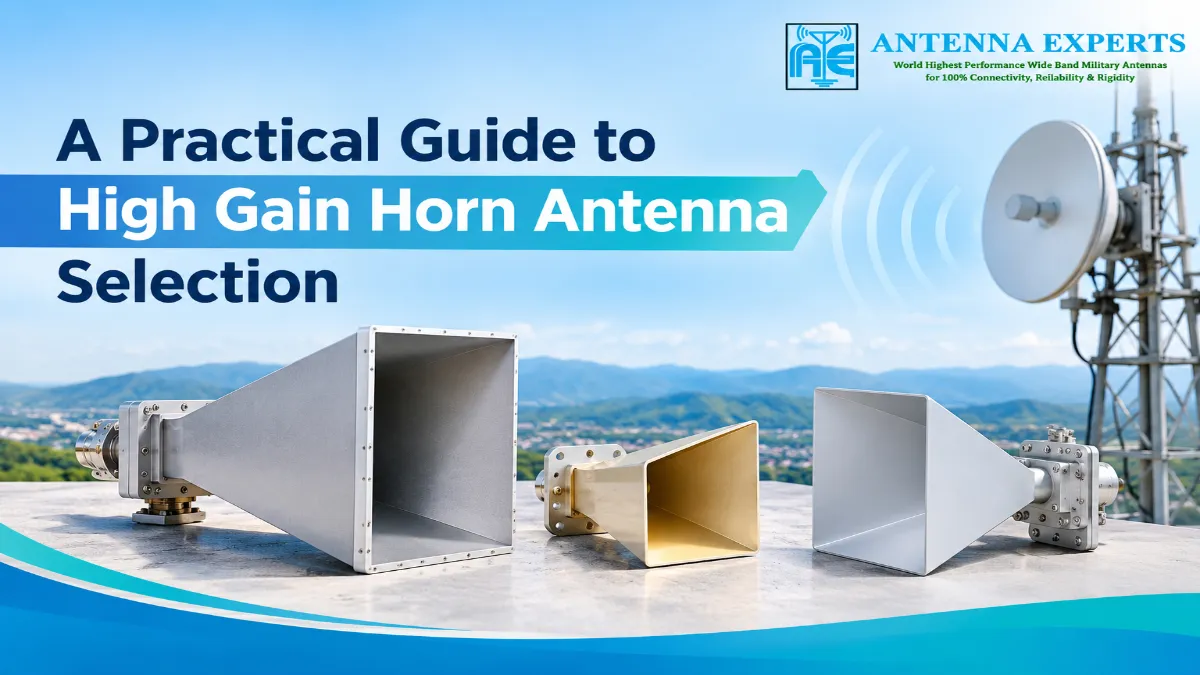
A high gain horn antenna is not automatically the right antenna just because it has the highest gain number on the datasheet. Frequency coverage, beamwidth, polarisation, power handling and the test or monitoring setup will all decide whether a horn antenna actually works for your application. Pick on gain alone and you can end up with an antenna that is too directional for your test distance, or one that cannot handle the connector or mounting you already have in place.

New Delhi, India — Antenna Experts, a NATO NCAGE registered antenna manufacturer based in New Delhi, has confirmed the continued expansion of its high gain a...

The blog explains how naval, marine, and vehicle antennas are designed to withstand harsh field conditions, including extreme weather, corrosion, vibration, and rugged environments while maintaining reliable communication performance.

A log periodic antenna and a discone antenna are both built for wideband coverage. They work in different ways that we are going to understand here. A l...
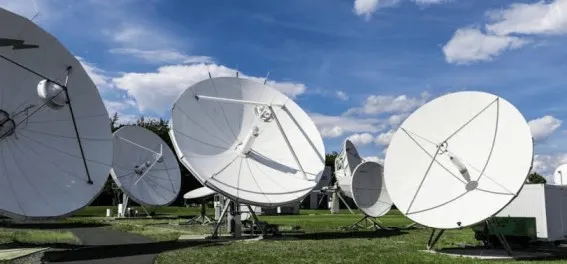
High-tech signal intelligence antennas are used to obtain the signal intelligence.The signal intelligence is being obtained using high-tech signal intelligen...
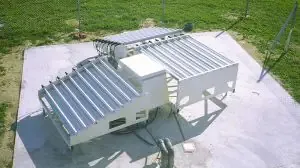
Weather changes fast, and in some places it changes without much warning. That is why accurate wind sensing matters more than people often think. A wind...

The lack of communication between ships at sea is not only a technical issue but can also impact the capability of naval ships to coordinate and conduct surv...
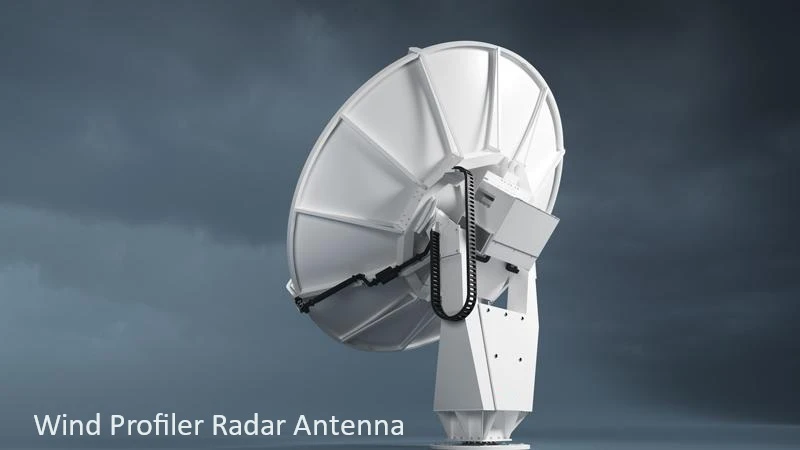
Today, wind profiler radar antenna systems are used to study the atmosphere. It helps us to know and measure wind speed and weather changes. These adv
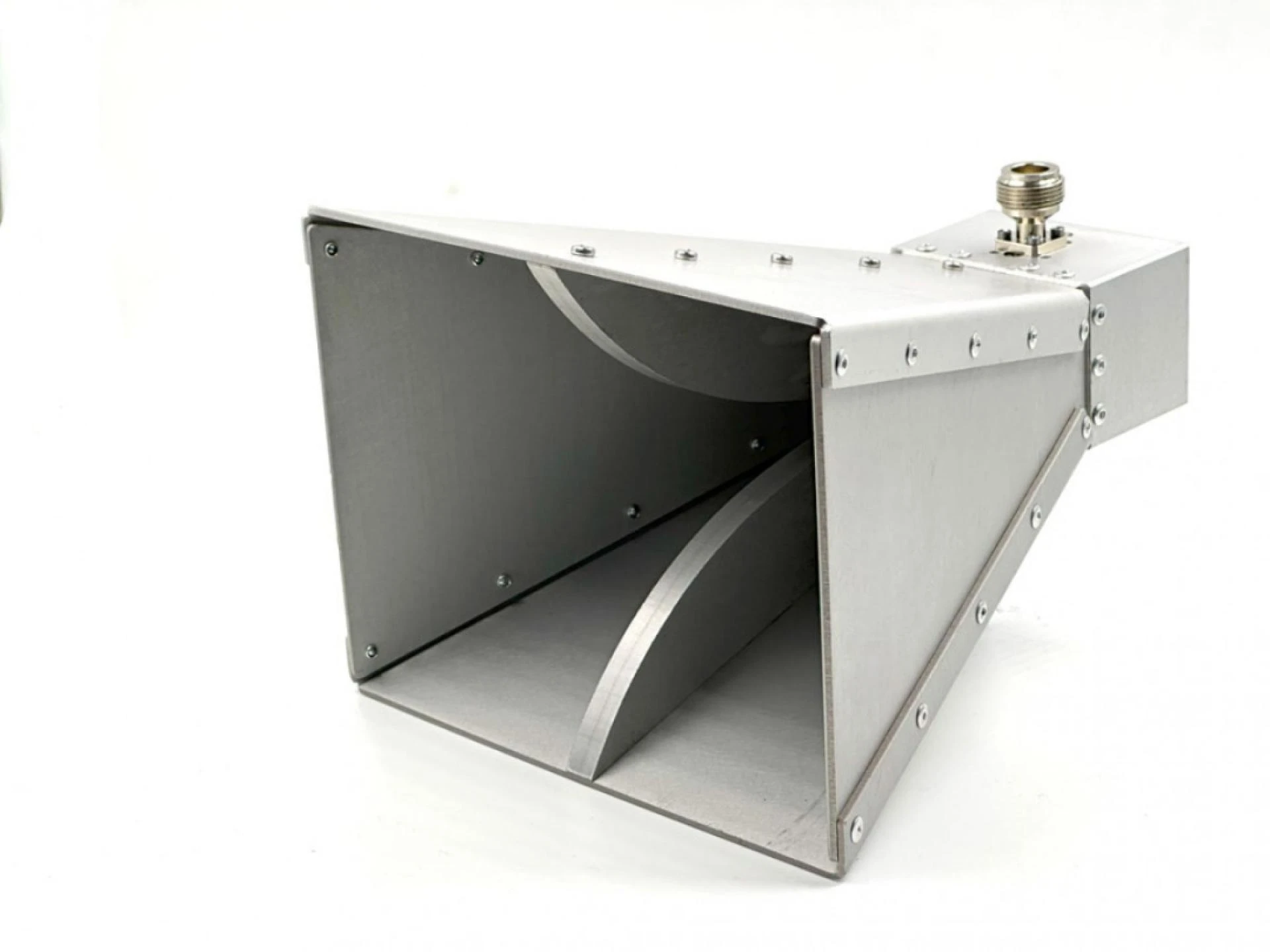
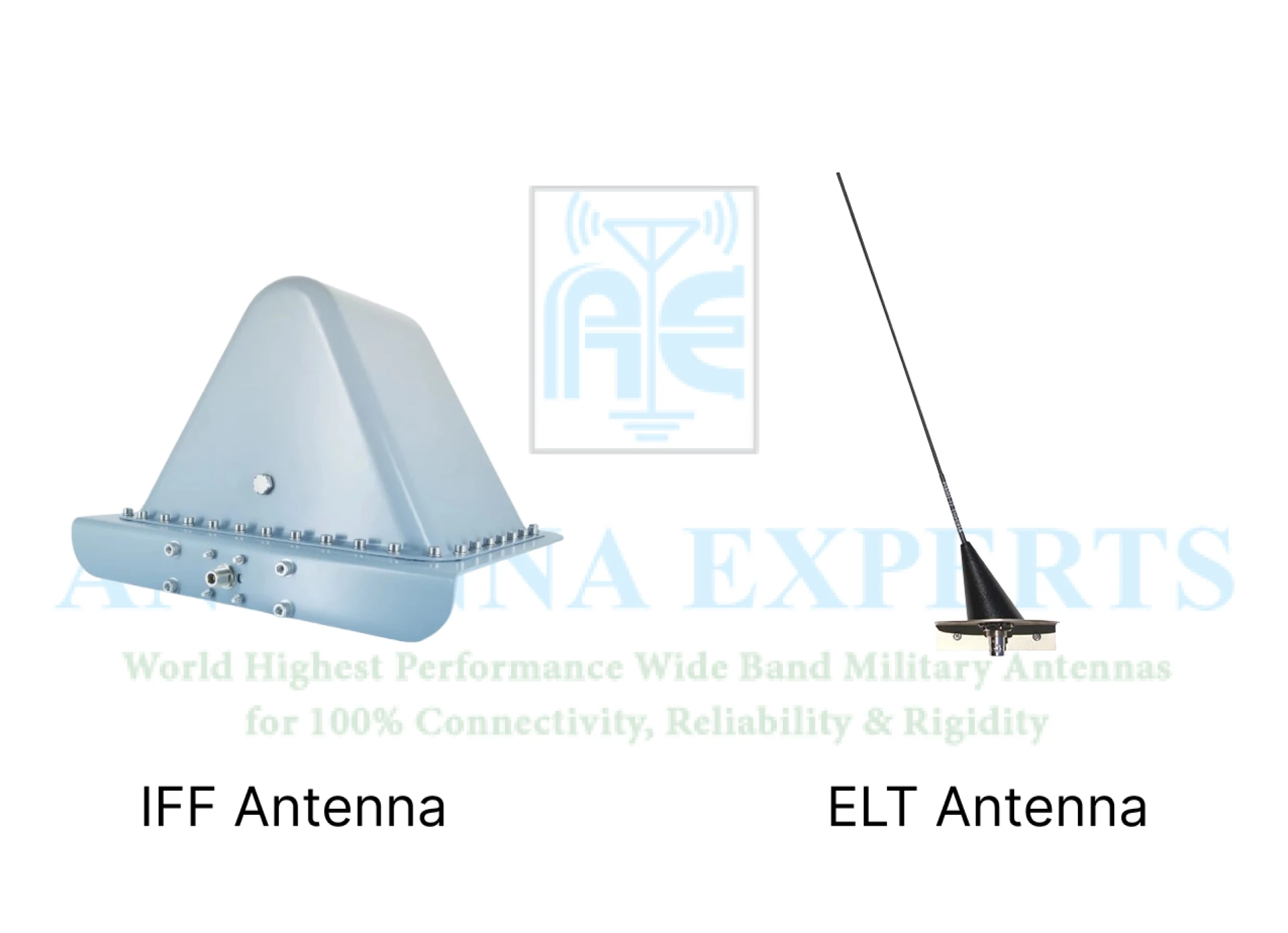
Today, antenna technology is transforming the way we share and receive information from one place to another. Both IFF and ELT antennas are