
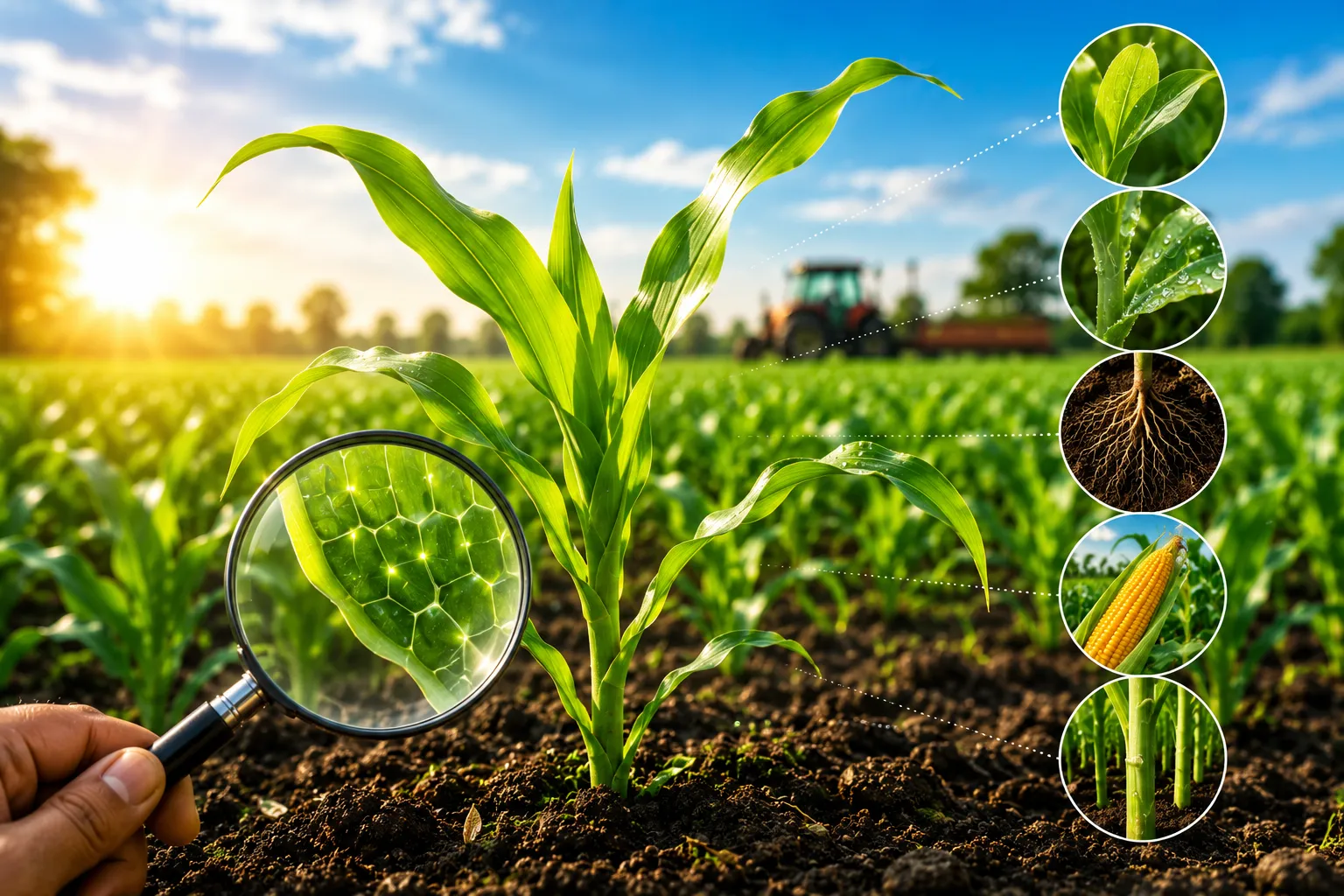

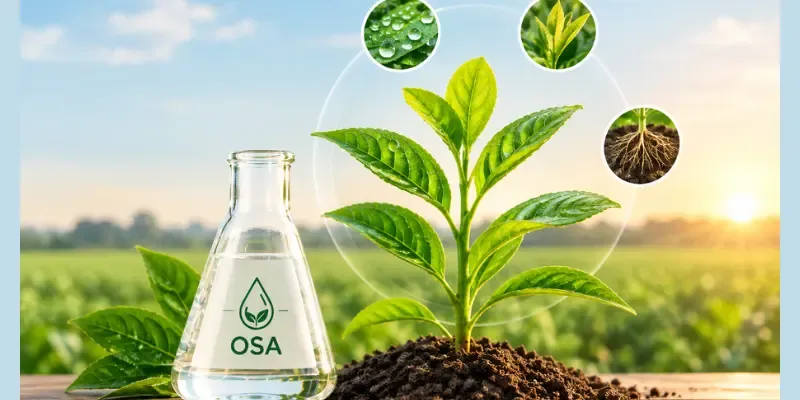

Discover how to check super spreader quality with a simple 30-second drop test. Learn about spreading performance, surface tension, product specifications, and batch quality checks.

Discover how wetting agents, spreaders and stickers improve agrochemical spray application. Understand their differences, functions and role in achieving better spray coverage, leaf wetting and adhesion.
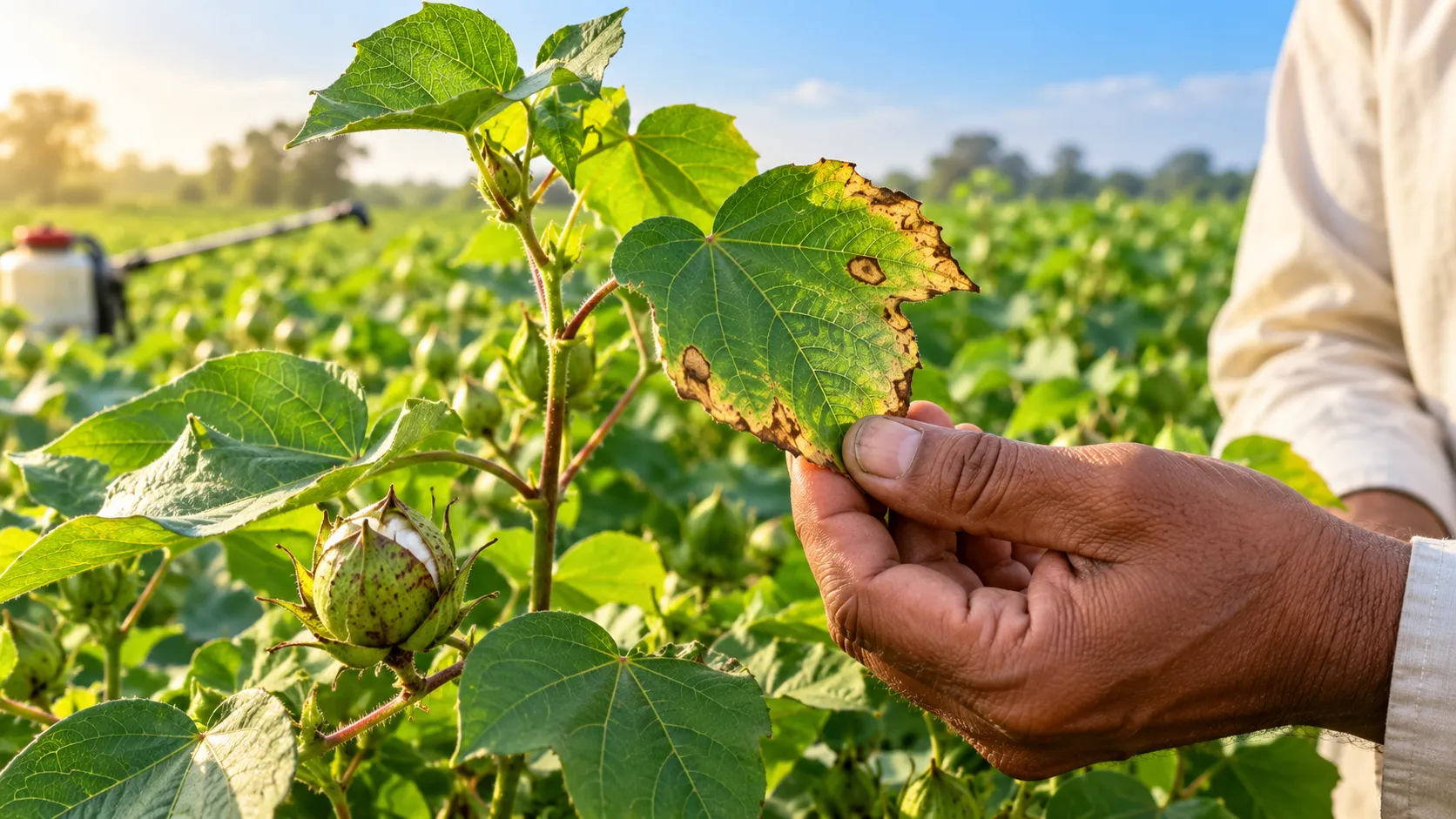
Learn about possible signs of super spreader overdose, common spraying mistakes, tank-mix compatibility, and practical steps for safer agricultural spray application.

Learn how orthosilicic acid (OSA) supplies plant-available silicon and why silicon nutrition matters for sugarcane growth and stalk strength.

Learn how orthosilicic acid (OSA) supports plant nutrition and how silicone spreaders help sprays cover leaf surfaces. Understand their key differences and uses in modern farming.
Orthosilicic acid is used in plant nutrition formulations as a source of bioavailable silicon. Explore five important considerations, from formulation stability and compatibility to quality control and crop applications.

Paint additives can influence the appearance, durability and overall performance of coatings. Learn how additives affect gloss, matte finish, surface properties and formulation balance.

This guide looks at when orthosilicic acid may fit into different crop programs, from young plants and new leaves to rice, sugarcane, and fruit trees.
Foam can affect paint quality, production efficiency, and the final appearance of a coating. Learn what causes foam during mixing and how formulation, mixing conditions, and defoamer selection can help control it.
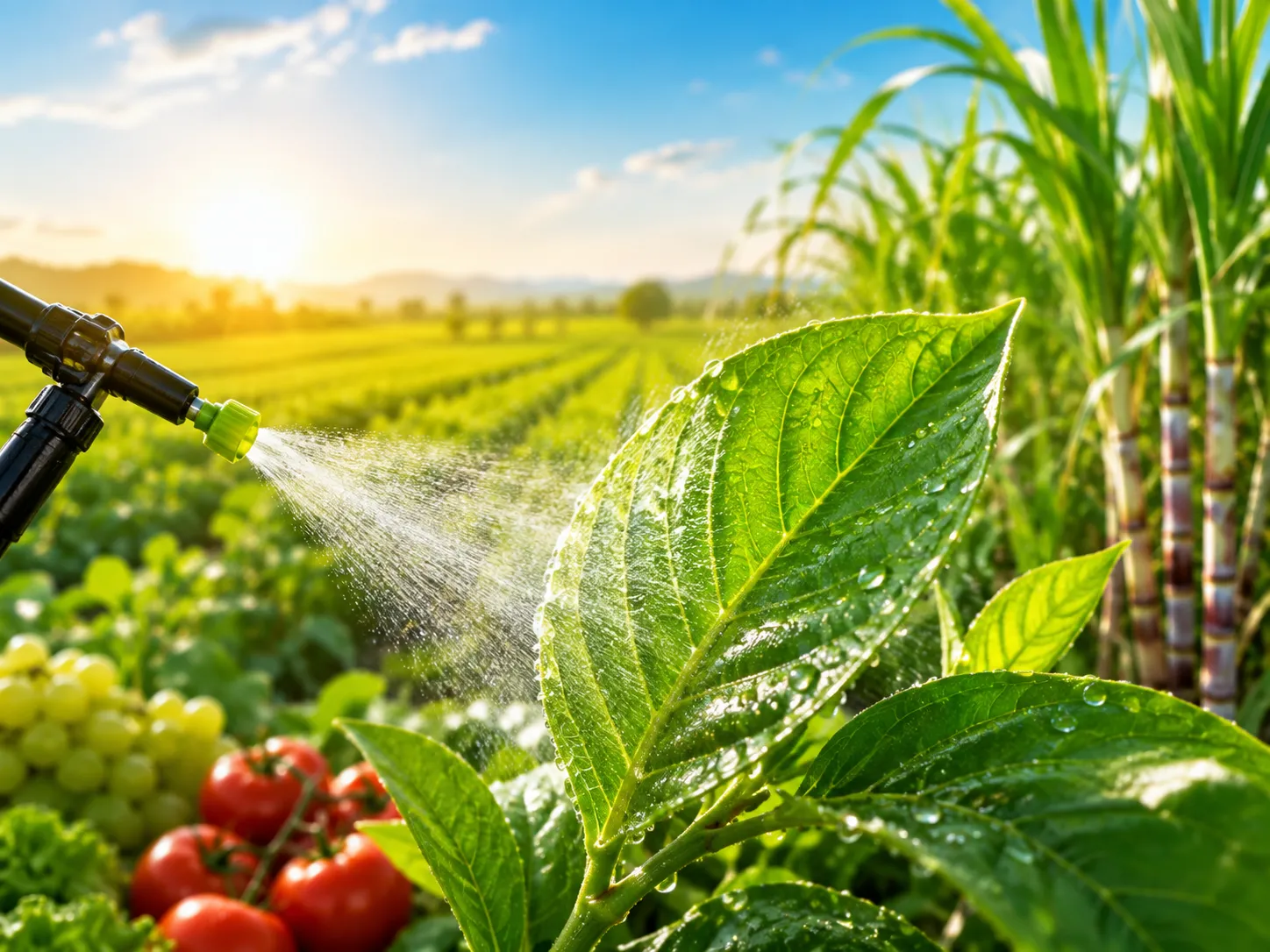
Good foliar spraying is about more than choosing the right product. Learn how timing, coverage, weather, and application practices can improve spray performance.
Discover the truth behind 5 common myths about silicon fertilizers in agriculture. Learn how bioavailable silicon and orthosilicic acid (OSA) strengthen plant structure, improve stress tolerance, and boost crop yields.
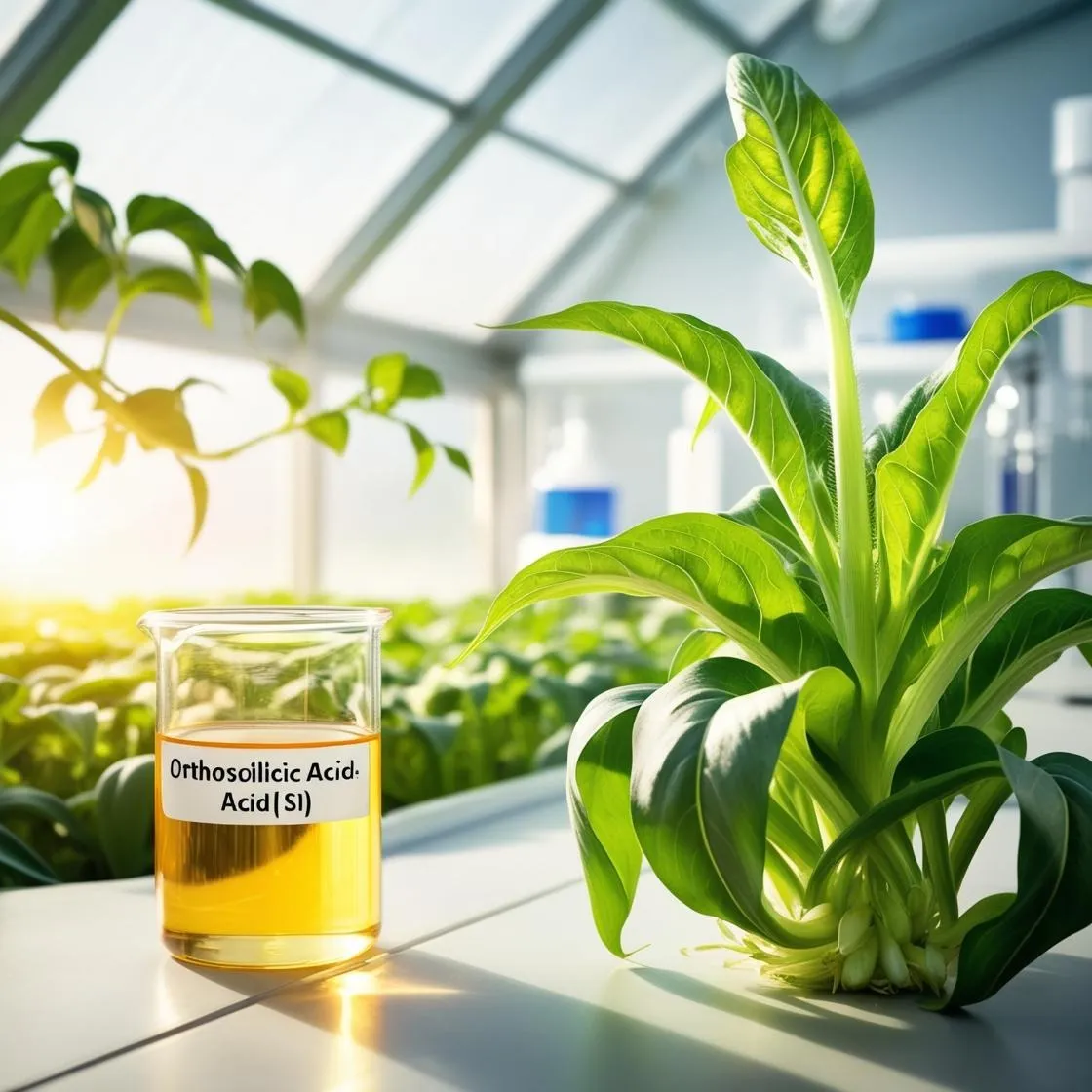
Discover why Orthosilicic Acid is the only bioavailable form of silicon that plants can absorb and how it supports healthier growth, better nutrient uptake, and stronger crops.

Learn how silicon super spreaders improve pesticide spray coverage, reduce wastage, and enhance crop protection for better farming results.
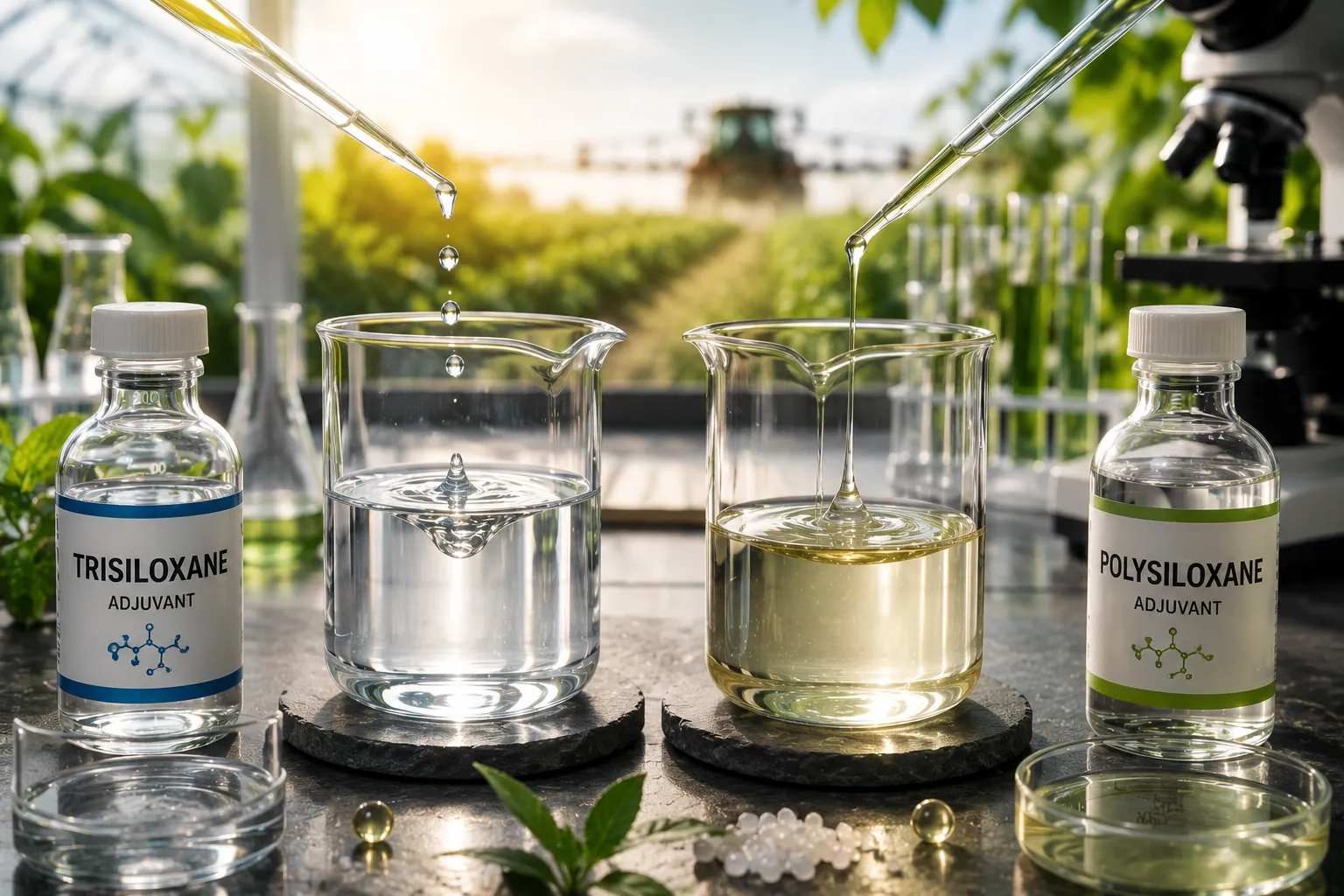
Selecting the right adjuvant is key to high-performance agrochemical formulations. Although both trisiloxane and polysiloxane are silicone-based adjuvants, they differ in spreading ability, surface tension reduction, penetration, and application. This guide compares both to help formulators choose the right solution for better spray coverage and formulation performance.

Wetting agents, spreaders, and stickers are essential agricultural adjuvants that improve the performance of pesticides, herbicides, fungicides, and fertilizers. While often confused, each has a distinct role. Wetting agents improve surface coverage, spreaders ensure even distribution, and stickers help sprays adhere to plants for longer. Choosing the right adjuvant enhances spray efficiency, crop protection, and application performance while reducing product waste effectively.

Modern agricultural formulations require more than strong active ingredients. Oil emulsifiers play a critical role in improving formulation stability, spray ...

At Valueans, we build custom agriculture software solutions to streamline your farm operations, ensure full traceability, and optimize costs. From farm & livestock management to compliance, smart & precision agriculture, drones, supply chain, and inventory tools—our agri-IT stack empowers agribusinesses to boost productivity, sustainability, and transparency.

Agriculture has always been the backbone of human civilization, but the way we cultivate, manage, and distribute produce is rapidly evolving. In today
Reading this really made me realize how much technology is quietly transforming the future of farming in such a meaningful way. Agriculture is no longer just about traditional methods, it’s becoming smarter, more sustainable, and more connected with the help of digital innovation. I especially loved the focus on how farmers can reduce waste, save water, and make better decisions through data-driven tools and agriculture software solutions. What stood out to me most is that sustainable farming is not only helping businesses grow, but also protecting resources for future generations. The combination of AI, IoT, and smart agriculture systems feels incredibly promising for creating a healthier and more efficient food ecosystem. It’s inspiring to see how technology can support farmers while also contributing to environmental sustainability. Truly an insightful and forward-thinking read for anyone interested in the future of agriculture and agribusiness.

Modern farming comes with real challenges-soil quality, plant stress, and low yield. But what if one solution could improve it all? Orthosilicic acid fo...
